


News & Events
News & Events
Chinese Researchers Achieve Megabase-Scale Genome Editing
Tuesday, 19/08/2025 | 09:59:51
Led by Prof. Gao Caixia from the Institute of Genetics and Developmental Biology of the Chinese Academy of Sciences, experts have developed two new genome editing technologies, collectively known as Programmable Chromosome Engineering (PCE) systems, that enable precise and large-scale DNA manipulations on a scale ranging from kilobases to megabases in both plants and animals. The findings of the study are published in Cell.
Scientists have made major improvements to the widely used Cre-Lox system. However, its application is hindered by limitations concerning unwanted DNA changes, activity optimization, and residual Lox sites. To address these, the researchers developed new Lox site variants that prevent reversible recombination activity, used AiCE (AI-informed Constraints for protein Engineering) to enhance Cre's multimerization interface, and developed Re-pegRNA to ensure seamless modifications.
Ancient hybridization underlies tuberization and radiation of the potato lineage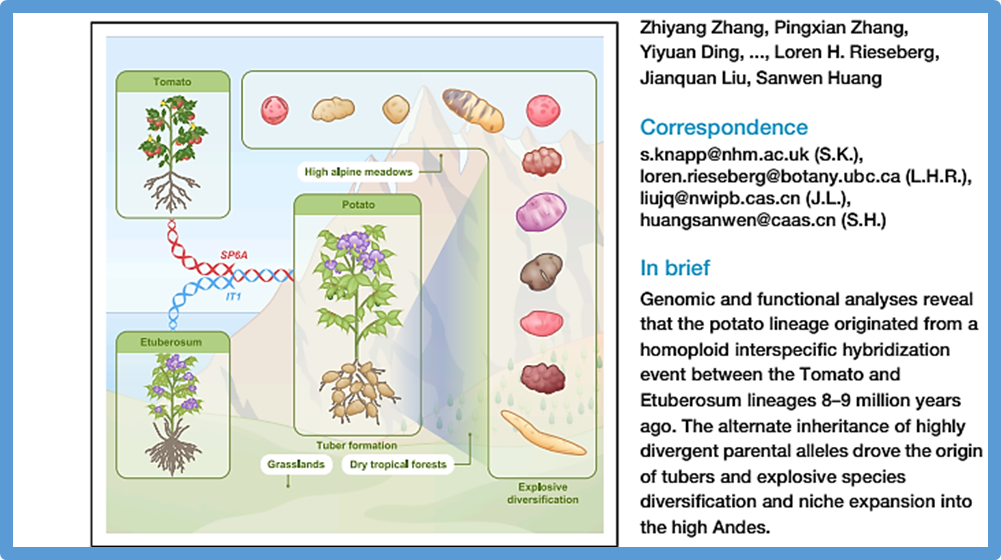
Tuesday, 19/08/2025 | 09:55:27
Interspecific hybridization may trigger species radiation by creating allele combinations and traits. Cultivated potato and its 107 wild relatives from the Petota lineage all share the distinctive trait of underground tubers, but the underlying mechanisms for tuberization and its relationship to extensive species diversification remain unclear. Through analyses of 128 genomes, including 88 haplotype-resolved genomes, we revealed that Petota is of ancient hybrid origin, with all members exhibiting stable mixed genomic ancestry, derived from the Etuberosum and Tomato lineages ca. 8–9 million years ago. Our functional experiments further validated the crucial roles of parental genes in tuberization, indicating that interspecific hybridization is a key driver of this innovative trait
8th Asian Short Course on Agribiotechnology, Biosafety Regulation, and Communication (ASCA8)
Tuesday, 19/08/2025 | 09:53:57
Since its establishment in 2018, ASCA has trained over 200 individuals, including scientists, regulators, communication specialists, and other stakeholders from government agencies, private companies, and non-profit organizations throughout Asia.
ASCA consistently features prominent international experts who serve as resource speakers and facilitate interactive discussions. The program also includes provincial day tours to biotech research facilities and farms, offering hands-on activities designed to enhance participants' knowledge and practical skills.
Participation in ASCA promotes a collaborative environment, fostering valuable networking opportunities among participants and experts. This synergy encourages the convergence of scientific innovation and robust regulations, ultimately ensuring the responsible advancement of modern biotechnology for maximum societal benefit. Download the flyer for more details.
Scientists Discover that Potato Evolved from Tomato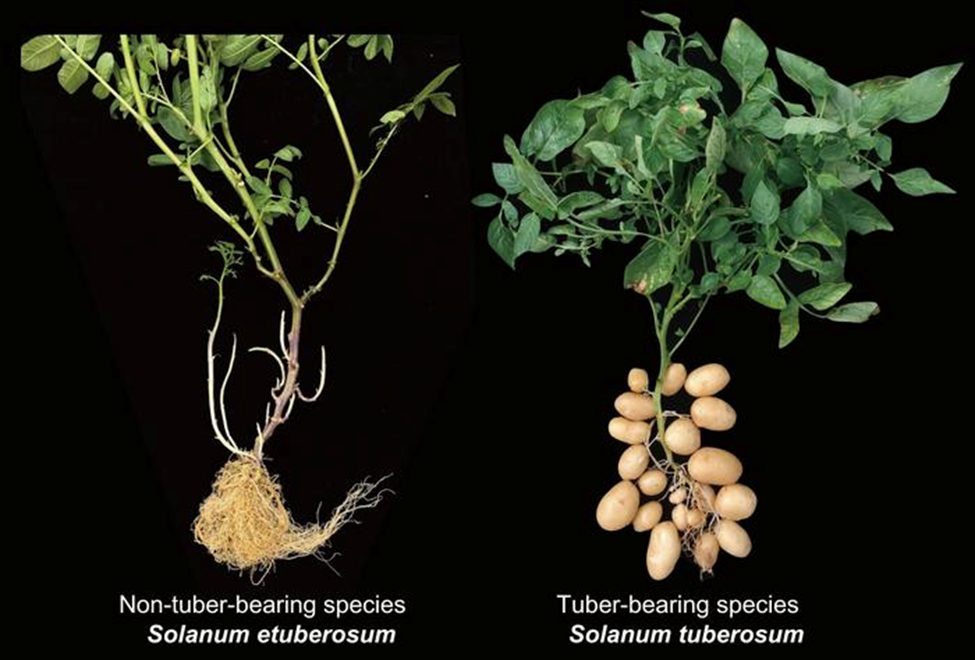
Tuesday, 19/08/2025 | 09:52:39
An international research team has solved the mystery of the potato's origin, discovering that modern potatoes arose from a natural interbreeding event about 9 million years ago. Published in the journal Cell, the study reveals that ancient tomato plants and potato-like species from South America hybridized, which triggered the evolution of the tuber, the nutrient-storing structure potatoes are known for.
The potato's origin had long puzzled scientists. Modern potato plants appear almost identical to three potato-like species from Chile called Etuberosum. But these plants do not carry tubers. Based on phylogenetic analysis, potato plants are more closely related to tomatoes.
Chlorophyll deficient 5 encodes a DNA helicase and is essential for chloroplast development in rice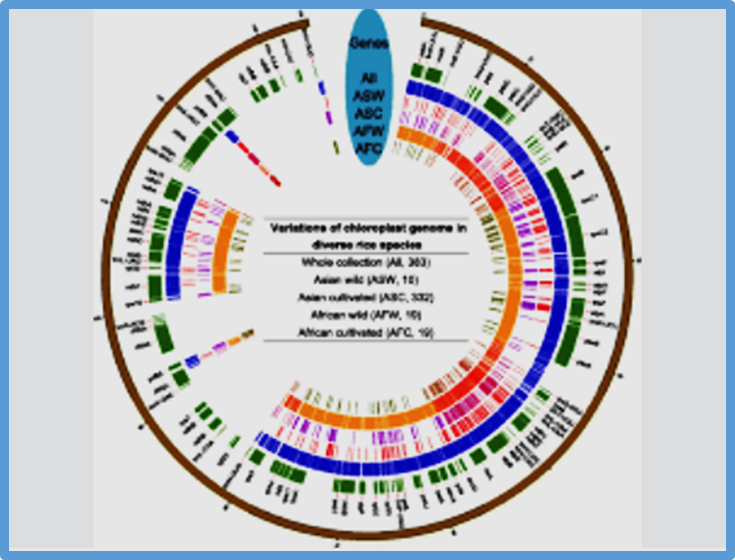
Tuesday, 19/08/2025 | 09:26:44
Leaf color is a critical trait influencing plant biosynthesis, as it directly impacts photosynthesis and dry matter production. Despite intensive research, the molecular mechanisms of leaf color still remain to be elucidated. In the present study, we characterized a rice chlorophyll deficient 5 (cde5) mutant, which was defective in chloroplast development and exhibited albino leaves throughout the overall growth period. Map-based cloning revealed that CDE5 encodes a DNA helicase which has not been previously reported to be associated with albino leaf in plants. The cde5 mutant exhibited abnormal chloroplast structures and decreased chlorophyll contents. Further expression analyses showed that CDE5 expressed in variety of tissues, and in situ hybridization results
Heidelberg Researchers Develop AI Model to Forecast Two Proteins for Gene Editing
Tuesday, 19/08/2025 | 09:25:28
A team of researchers from Heidelberg University has developed a new AI tool, called ProDomino, that allows forecasting of two proteins to engineer a functional, adjustable new protein. Led by Prof. Dr. Dominik Niopek from the Institute of Pharmacy and Molecular Biotechnology (IPMB), this research has a broad potential for biotechnology and medical applications.
Proteins are composed of interlinked subunits known as domains, which regulate various vital processes, including recognizing external signals and catalyzing chemical reactions. Inspired by this process, the researchers developed an AI model on the artificial recombination of protein domains using a tailored dataset of over 100,000 proteins to determine protein domain combinations that will generate merged proteins with new properties.
Clemson University Researchers Develop High-Yield, High-Quality Fiber Gene-Edited Cotton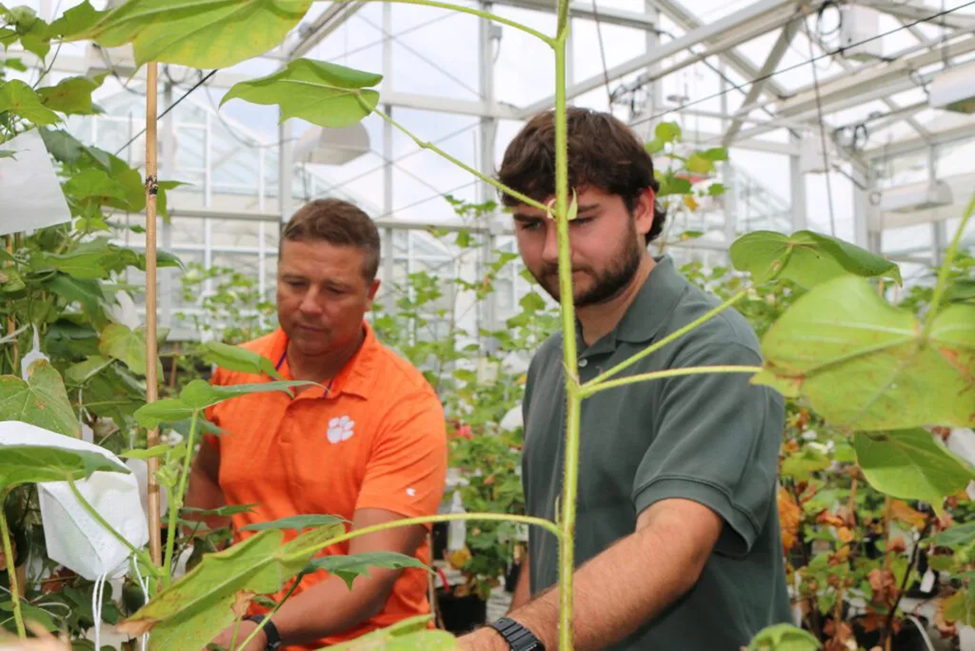
Tuesday, 19/08/2025 | 09:23:54
Jacob Johnson, a Clemson University master's student, is contributing to the future of cotton farming through his involvement in the research project, "Building Better Cotton: Gene Editing to Improve Oil, Protein and Fiber Quality in Upland Cotton." Led by plant geneticist Christopher Saski, the initiative is funded by the U.S. Department of Agriculture's National Institute of Food and Agriculture (USDA-NIFA) and Cotton Incorporated.
The team is using the gene editing tool CRISPR-Cas12a to develop a dual-purpose Upland cotton variety. This new variety will have the high yield of Upland cotton along with the high-quality fiber of Pima cotton. It will also have enhanced seed traits and resistance to Fusarium wilt (FOV4), a destructive disease. This research aims to create a more economically and environmentally sustainable crop for cotton farmers.
Seminar and Workshop in February 2023
Tuesday, 30/09/2025 | 08:22:56
- Deputy Minister Phung Duc Tien paid a short visit to the IAS scientists; Feb. 17 2023.
Seminar and Workshop in January in 2023
Tuesday, 30/09/2025 | 08:23:16
- IAS Annual Conference to evaluate 2022 activities and look for 2023 plan on January 5 2023.
FSANZ Invites Comments on GM Purple Tomato
Monday, 18/08/2025 | 10:27:09
Food Standards Australia New Zealand (FSANZ) is calling for comments on an application to permit the sale and use of food derived from genetically modified (GM) purple tomatoes developed by Norfolk Healthy Produce Inc. These tomatoes will be sold fresh or used as ingredients in processed food products, such as pastes and sun-dried tomatoes. The submission of comments is open until September 10, 2025, at 11:59 PM (Canberra time).
Heidelberg Researchers Develop AI Model to Forecast Two Proteins for Gene Editing
Monday, 18/08/2025 | 10:25:30
A team of researchers from Heidelberg University has developed a new AI tool, called ProDomino, that allows forecasting of two proteins to engineer a functional, adjustable new protein. Led by Prof. Dr. Dominik Niopek from the Institute of Pharmacy and Molecular Biotechnology (IPMB), this research has a broad potential for biotechnology and medical applications.
Scientists Have Identified Genetic Defense Against Soybean Cyst Nematodes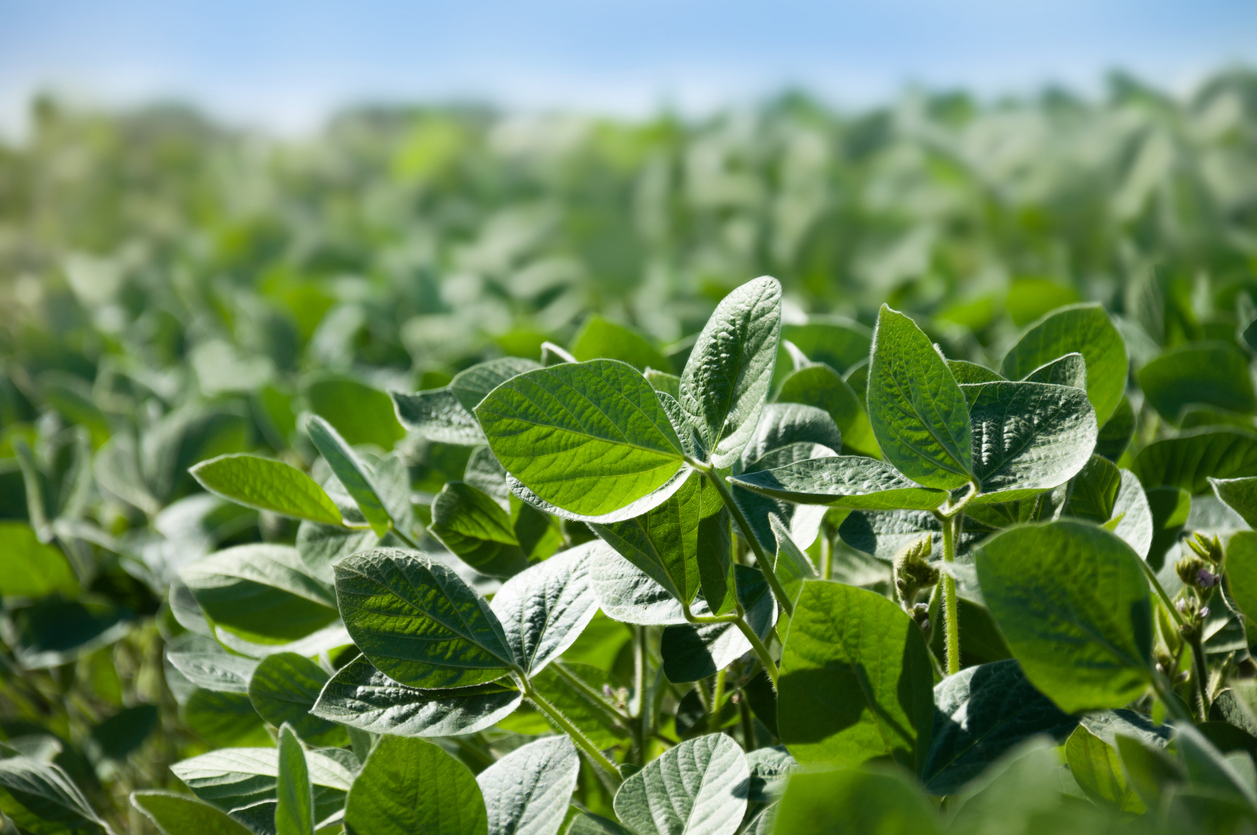
Monday, 18/08/2025 | 10:24:29
Researchers at the University of Missouri (Mizzou) are on the verge of a breakthrough in fighting soybean cyst nematodes (SCN) as they identified a gene that confers a new mode of resistance to the parasite.