


News & Events
News & Events
MIT and Harvard Scientists Boost Precision of Genome Editing
Tuesday, 19/08/2025 | 10:18:27
Researchers from the Massachusetts Institute of Technology (MIT) and Harvard Medical School have developed a fast-acting, cell-permeable protein system that can switch off CRISPR-Cas9 after genome editing. This system could reduce the risk of harmful off-target effects and advance the safety and precision of gene therapies.
The new system, called LFN–Acr/PA, uses a protein-based delivery system to transport anti-CRISPR proteins into human cells. “Our technology reduces the off-target activity of Cas9 and increases its genome editing specificity and clinical utility,” said Raines, the Roger and Georges Firmenich Professor of Natural Products Chemistry.
Chromosome-scale haploid genome assembly of Durio zibethinus KanYao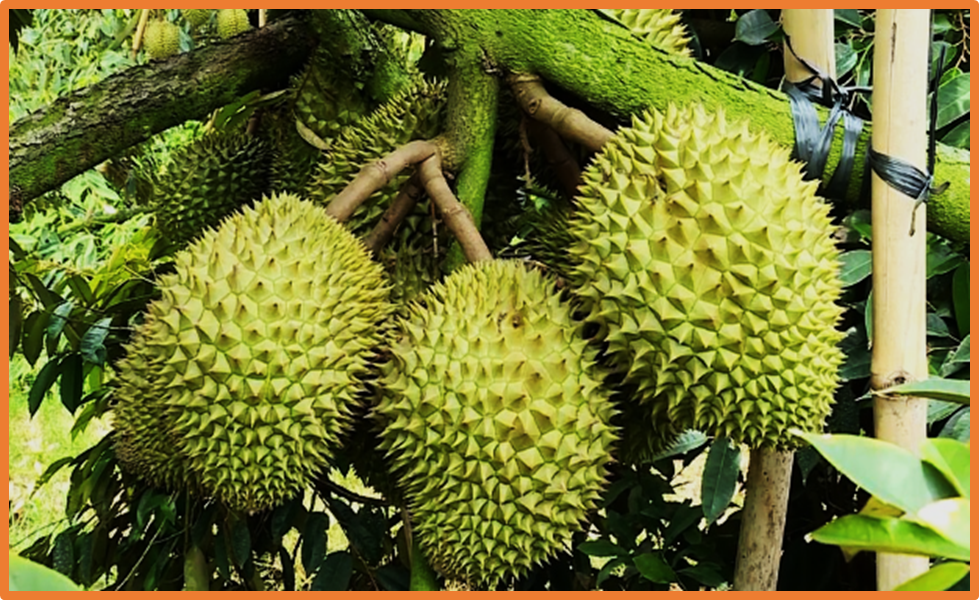
Tuesday, 19/08/2025 | 10:12:02
Durian (Durio zibethinus) is a tropical fruit valued for its nutritional and commercial significance. In this study, we generated two high-quality, haplotype-resolved, chromosome-level genomes of the durian cultivar 'Kan Yao', each with 28 chromosomes. The total genome lengths were 737.2 Mb and 763.8 Mb, with contig N50 values of 22.9 Mb and 21.5 Mb, and scaffold N50 values of 25.9 Mb and 26.7 Mb, respectively. Nineteen chromosomes were assembled without gaps, while the remaining nine contained 1 to 10 gaps. Genome annotation identified 53,125 and 53,101 functional genes, as well as 5,254 and 5,496 non-coding RNAs. The high-quality assembled genomes will aid in the molecular breeding of durian.
Rice Biotech Launch Pad welcomes Carolyn Ng to external advisory board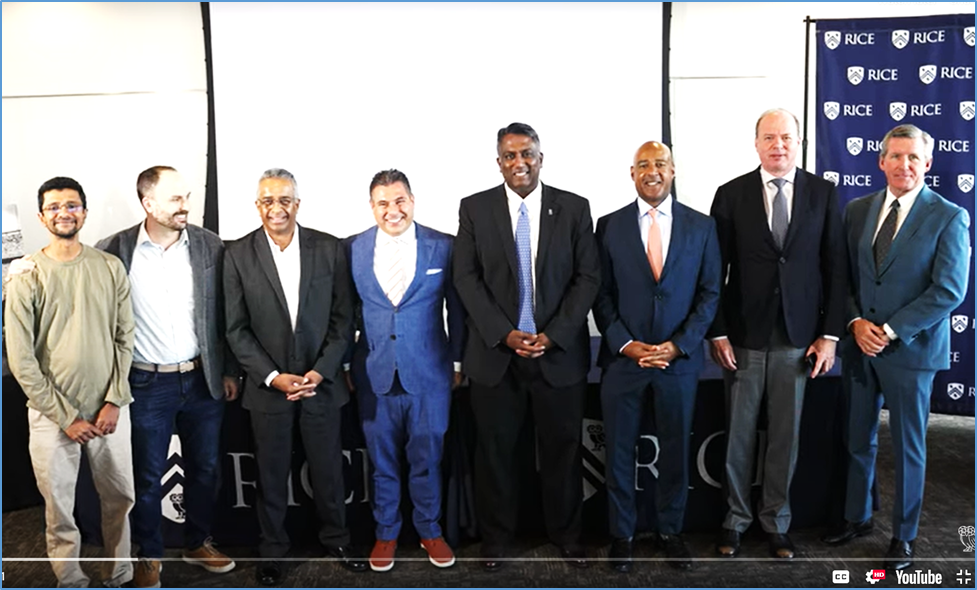
Tuesday, 19/08/2025 | 10:10:08
The Rice Biotech Launch Pad, a Houston-based accelerator focused on expediting the translation of Rice University’s health and medical technology discoveries into cures, announced today the appointment of Carolyn Ng to its external advisory board. A current business unit partner at TPG Life Sciences Innovations, Ng brings expertise in biotech and company building with a track record of guiding early to midstage companies across a wide range of therapeutic areas.
“Carolyn’s deep understanding of translational science, combined with her passion for fostering high-impact ventures, makes her an ideal addition to the board,” said Omid Veiseh, professor of bioengineering at Rice and faculty director of the Launch Pad. “She shares our commitment to transforming early cutting-edge research into breakthrough therapies that address real-world medical challenges.”
Driving policy coherence and strengthening institutions to advance socio-ecological gains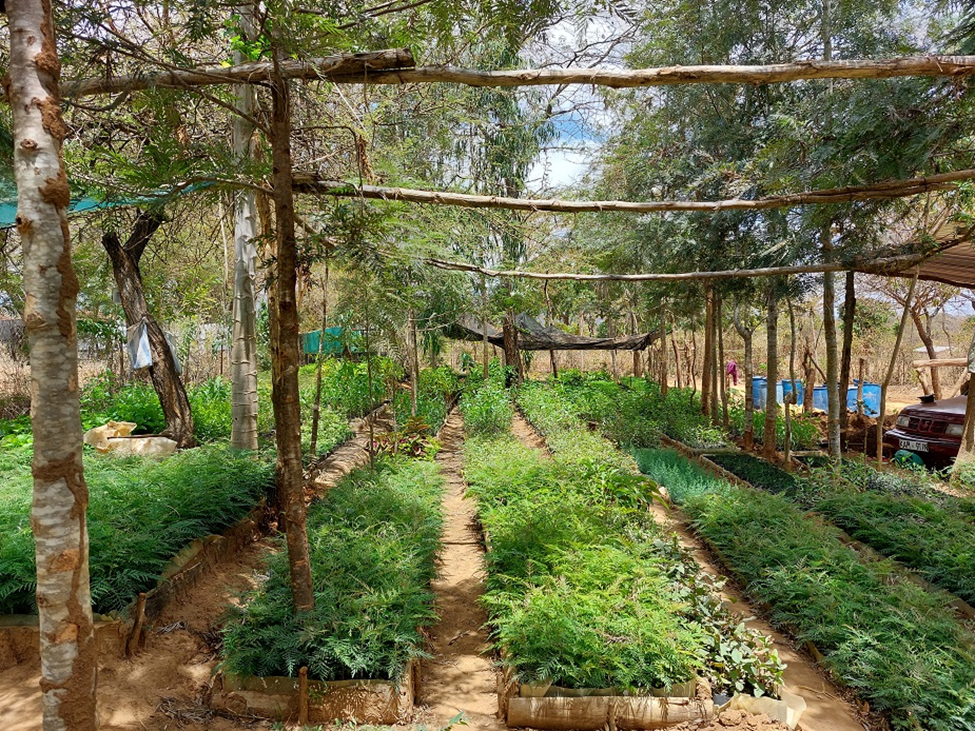
Tuesday, 19/08/2025 | 10:09:19
Achieving socio-ecological gains at the landscape level requires coherent policies and robust institutions. Recognizing this, CGIAR’s Multifunctional Landscapes Science Program (MFL SP) collaborates with partners to align policies and strengthen institutions at sub-national, national and regional levels. The program builds on previous CGIAR and partner innovations in the policy arena, co-generating evidence and tools with policymakers at national and sub-national levels to inform more inclusive, effective policies, strategies, and investments. These coordinated efforts create an enabling environment for systemic policy and institutional change, aligning agriculture with biodiversity conservation and socio-economic development objectives. This involves analyzing political economy and governance structures, facilitating science–policy dialogues, and designing institutional arrangements that encourage multifunctional land management at scale. In MFL SP’s Theory of Change, analytical work on policy and institutions is coupled with capacity sharing and stakeholder engagement to identify “what needs to change and how” to sustain innovations beyond pilot sites.
Protective antigen–mediated delivery of an anti-CRISPR protein for precision genome editing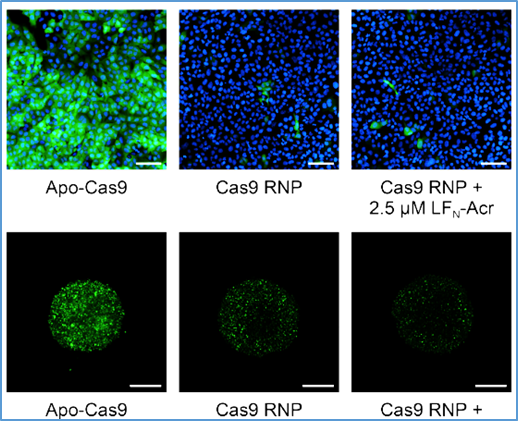
Tuesday, 19/08/2025 | 10:06:47
Precise control over the dosage of Cas9-based technologies is essential because off-target effects, mosaicism, chromosomal aberrations, immunogenicity, and genotoxicity can arise with prolonged Cas9 activity. Type II anti-CRISPR proteins (Acrs) inhibit and control Cas9 but are generally impermeable to the cell membrane due to their size and anionic charge. Moreover, existing Acr delivery methods are long-lived and operate within hours (e.g., viral and nonviral vectors) or require external devices (e.g., electroporation), limiting therapeutic applications. To address these problems, we developed a protein-based anti-CRISPR delivery platform, LFN-Acr/PA, which delivers Acrs into cells within minutes. LFN-Acr/PA is a nontoxic, two-component protein system derived from anthrax toxin, where protective antigen (PA) proteins bind receptors widespread in human cells, forming a pH-triggered endosomal pore that an engineered Acr (LFN-Acr) binds and uses to enter the cell. In the presence of PA, LFN-Acr enters human cells (e.g., immortalized cell lines, embryonic stem cells, and 3D cell cultures)
Quarter Century of Golden Rice: Innovation and Impact in the Past 25 Years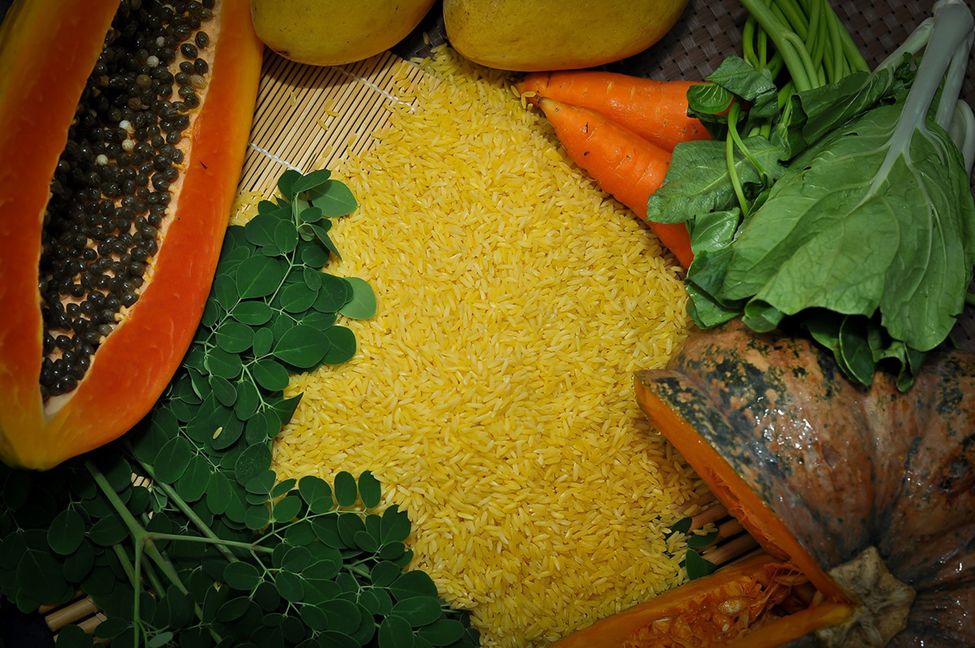
Tuesday, 19/08/2025 | 10:05:23
Golden Rice started as a proof of concept developed by Ingo Potrykus of the Swiss Federal Institute of Technology and Peter Beyer of the University of Freiburg. They used Agrobacterium-mediated transformation to introduce two transgenes, namely psy derived from daffodil and crtI derived from the soil bacterium Pantoea ananatis, into the Kaybonnet rice. The analyses revealed that ß-carotene accounted for more than 90% of the total carotenoids. However, the first Golden Rice varieties were producing only ~2 µg of total carotenoids per gram of edible rice.
A subsequent research by Syngenta produced the second generation GR (GR2) carrying the Zmpsy1 transgene, which significantly improved phytoene production and enhanced carotenoid accumulation. The study revealed that some could accumulate 20–30 µg of total carotenoids per gram of milled rice at the time of harvest, ~80%–90% of which was ß-carotene. Syngenta made a subset of the GR2 lines freely available through the International Rice Research Institute (IRRI) for use in public sector breeding programs.
Scientists Decode the Signature Scent of Gardenia Tea
Tuesday, 19/08/2025 | 10:03:49
A study by the team of Yanqin Yang & Yongwen Jiang at the Tea Research Institute, Chinese Academy of Agricultural Sciences, examined the complex aroma of gardenia-scented tea (GET). While GET is a popular Chinese scented tea, its specific aroma profile has never been fully explored.
The research teams employed advanced analytical and statistical methods to gain a comprehensive understanding of the volatile compounds that comprise the unique fragrance of gardenia tea. They identified 202 volatile components, 24 key aroma compounds, and constructed a detailed aroma wheel highlighting six main scent attributes: fruity, green, floral, roasted, woody, and other, visually representing the sensory essence of this centuries-old tea. The 202 volatile compounds in GET are esters, alkenes, and alcohols, with esters being the most abundant. Compared to its unscented base tea (GE), GET has higher levels of certain esters like methyl tiglate and benzoic acid methyl ester, but lower levels of most alkenes, alcohols, and ketones.
Integration of crop modeling and sensing into molecular breeding for nutritional quality and stress tolerance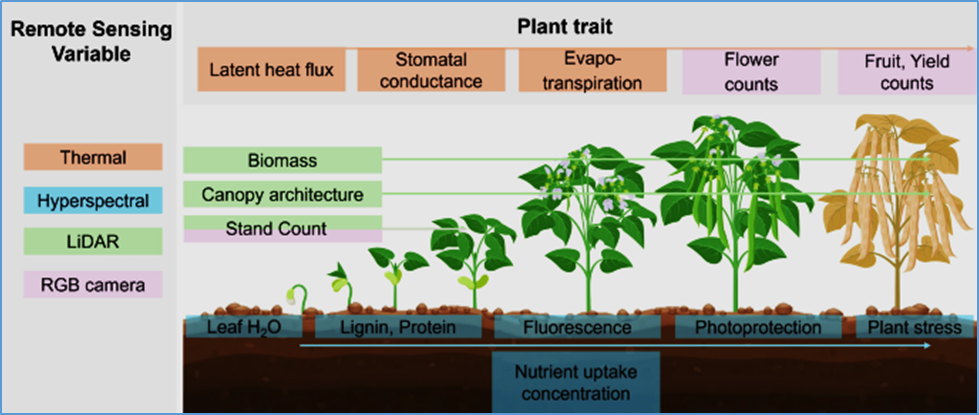
Tuesday, 19/08/2025 | 10:02:19
Integrating innovative technologies into plant breeding is critical to bolster food and nutritional security under biotic and abiotic stresses in changing climates. While breeding efforts have focused primarily on yield and stress tolerance, emerging evidence highlights the need to also prioritize nutritional quality. Advanced molecular breeding approaches have enhanced our ability to develop improved crop varieties and could be substantially informed by the routine integration of crop modeling and remote sensing technologies. This review article discusses the potential of combining crop modeling and sensing with molecular breeding to address the dual challenge of nutritional quality and stress tolerance.
FSANZ Invites Comments on GM Purple Tomato
Tuesday, 19/08/2025 | 10:00:34
Food Standards Australia New Zealand (FSANZ) is calling for comments on an application to permit the sale and use of food derived from genetically modified (GM) purple tomatoes developed by Norfolk Healthy Produce Inc. These tomatoes will be sold fresh or used as ingredients in processed food products, such as pastes and sun-dried tomatoes. The submission of comments is open until September 10, 2025, at 11:59 PM (Canberra time).
The GM purple tomato contains genes from the snapdragon plant that enable it to produce high levels of anthocyanins, which are natural pigments that give the fruit its distinctive purple color in skin and flesh. The safety assessment identified no public health or safety concerns on GM tomato, concluding that it is as safe as conventional varieties. Dr. Sandra Cuthbert, CEO of FSANZ, said that this is the sixth GM food being assessed with Health Canada.
Chinese Researchers Achieve Megabase-Scale Genome Editing
Tuesday, 19/08/2025 | 09:59:51
Led by Prof. Gao Caixia from the Institute of Genetics and Developmental Biology of the Chinese Academy of Sciences, experts have developed two new genome editing technologies, collectively known as Programmable Chromosome Engineering (PCE) systems, that enable precise and large-scale DNA manipulations on a scale ranging from kilobases to megabases in both plants and animals. The findings of the study are published in Cell.
Scientists have made major improvements to the widely used Cre-Lox system. However, its application is hindered by limitations concerning unwanted DNA changes, activity optimization, and residual Lox sites. To address these, the researchers developed new Lox site variants that prevent reversible recombination activity, used AiCE (AI-informed Constraints for protein Engineering) to enhance Cre's multimerization interface, and developed Re-pegRNA to ensure seamless modifications.
Ancient hybridization underlies tuberization and radiation of the potato lineage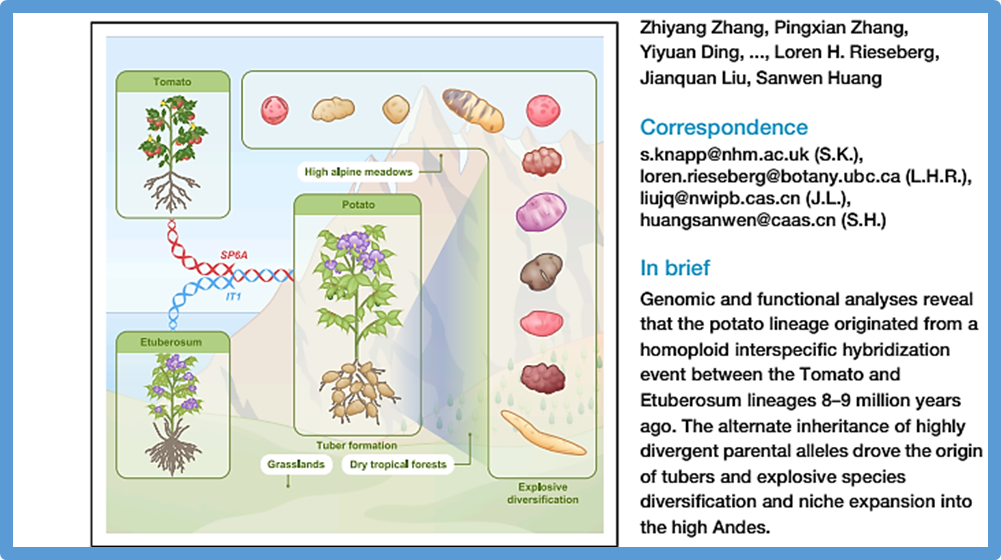
Tuesday, 19/08/2025 | 09:55:27
Interspecific hybridization may trigger species radiation by creating allele combinations and traits. Cultivated potato and its 107 wild relatives from the Petota lineage all share the distinctive trait of underground tubers, but the underlying mechanisms for tuberization and its relationship to extensive species diversification remain unclear. Through analyses of 128 genomes, including 88 haplotype-resolved genomes, we revealed that Petota is of ancient hybrid origin, with all members exhibiting stable mixed genomic ancestry, derived from the Etuberosum and Tomato lineages ca. 8–9 million years ago. Our functional experiments further validated the crucial roles of parental genes in tuberization, indicating that interspecific hybridization is a key driver of this innovative trait
8th Asian Short Course on Agribiotechnology, Biosafety Regulation, and Communication (ASCA8)
Tuesday, 19/08/2025 | 09:53:57
Since its establishment in 2018, ASCA has trained over 200 individuals, including scientists, regulators, communication specialists, and other stakeholders from government agencies, private companies, and non-profit organizations throughout Asia.
ASCA consistently features prominent international experts who serve as resource speakers and facilitate interactive discussions. The program also includes provincial day tours to biotech research facilities and farms, offering hands-on activities designed to enhance participants' knowledge and practical skills.
Participation in ASCA promotes a collaborative environment, fostering valuable networking opportunities among participants and experts. This synergy encourages the convergence of scientific innovation and robust regulations, ultimately ensuring the responsible advancement of modern biotechnology for maximum societal benefit. Download the flyer for more details.