


News & Events
News & Events
The Frontlines Learning Exchange webinar series sheds light on science in difficult places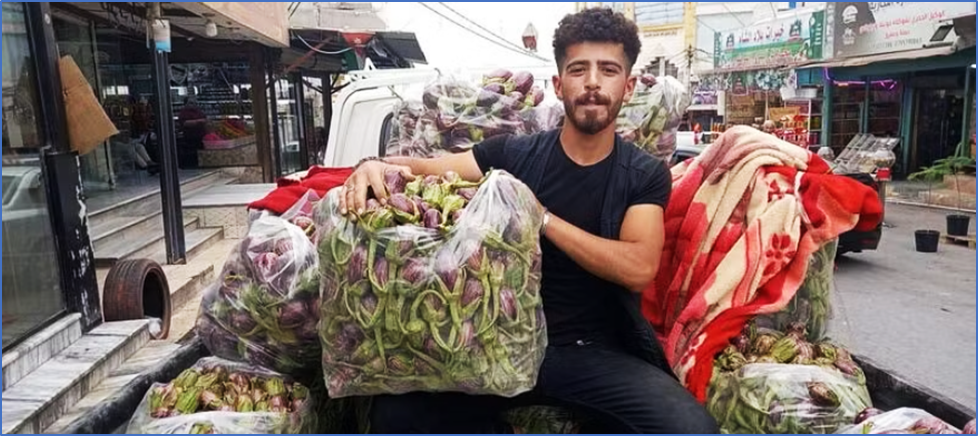
Wednesday, 20/08/2025 | 08:43:39
In the world’s most fragile settings, climate extremes, conflict, displacement and weak governance are colliding to create compound crises. These crises are eroding livelihoods, intensifying food and water insecurity and straining already fragile institutions. From the flood-prone lowlands of Ethiopia’s Somali Region to drought-affected farms in Iraq, from resource conflicts in Zambia to growing displacement in Pakistan and Nigeria, millions of people are navigating complex and cascading risks every day.
Yet across these realities, people are not just surviving. They are innovating, adapting and leading change.
The Frontlines Learning Exchange (FLEX) is a new knowledge-sharing webinar series created by the International Water Management Institute (IWMI). FLEX spotlights what is working and what more is needed at the intersection of climate resilience, fragility and food and water systems. It is rooted in the simple premise that the people living and working in these environments hold critical knowledge for building a more resilient future.
Comparative transcriptome analysis reveals the function of SoCER4 in alkanol synthesis in sugarcane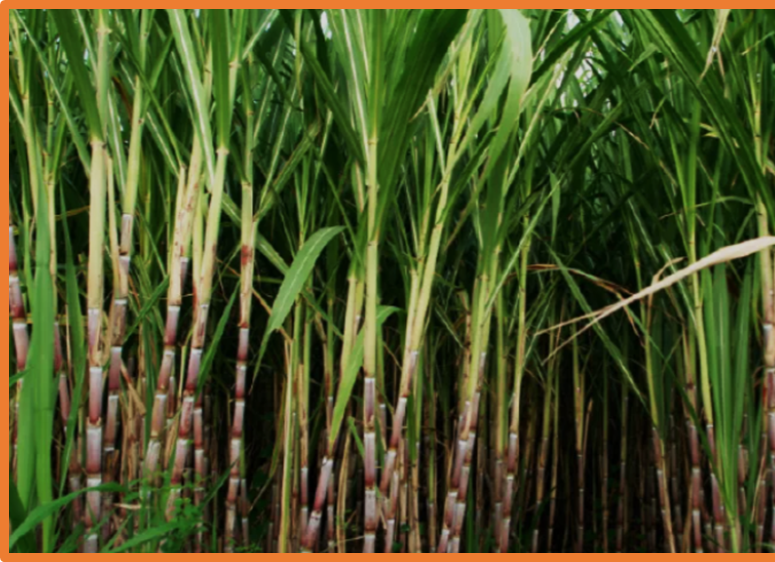
Friday, 22/08/2025 | 15:05:13
The wax of sugarcane buds, especially alkanol, was correlated to sugarcane smut resistance in previous studies. Moreover, alkanol could induce smut teliospore germination. This study aimed to analyze wax-related genes in sugarcane buds. In this study, the wax contents in germinated sugarcane buds from smut-resistant Zhongzhe 9 (ZZ9) and smut-susceptible Guitang 42 (GT42) were measured, showing that total wax content and alkanol content of GT42 were significantly higher than that of ZZ9 after bud germination. The gene expression profiles of germinated buds from ZZ9 and GT42 were analyzed using transcriptome analysis, and the Kyoto Encyclopedia of Genes and Genomes (KEGG) terms for cutin, suberine, and wax biosynthesis were enriched between ZZ9 and GT42. In addition, a lipid transfer protein (LTP) gene (c97015.graph_c0) may be involved in wax transportation that caused higher wax content in GT42 buds, and a SoCER4 gene (c120140.graph_c0) may play a key role in alkanol synthesis that caused higher alkanol content in GT42 buds. Here, the SoCER4 gene was functionally characterized via overexpression in Nicotiana benthamiana.
Identification of transit peptides that boost plastid protein import in different tissues and plant species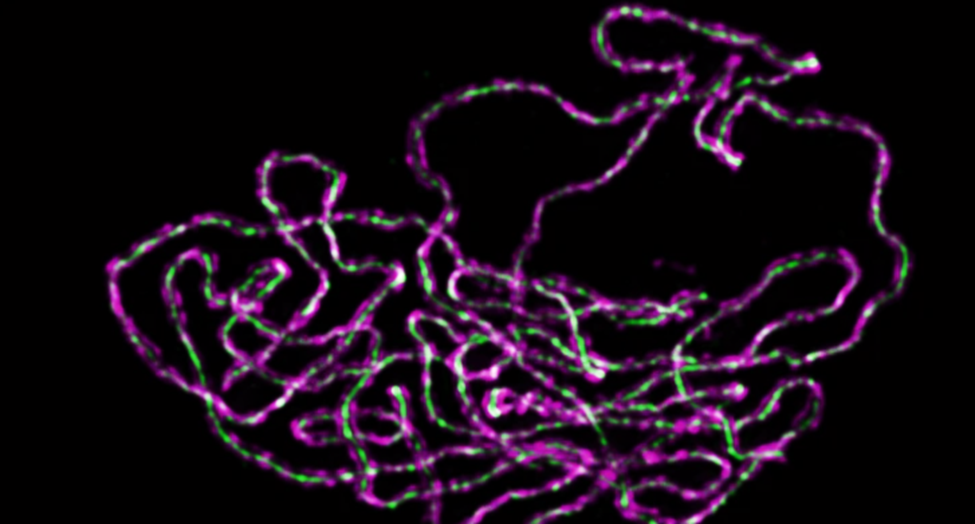
Tuesday, 19/08/2025 | 10:34:51
The efficient delivery of proteins into plastids is key to using plastid protein engineering in biotechnology applications, a fact that is often overlooked. This study identifies transit peptides that efficiently import different passenger proteins into major plastid types across plant species, offering an effective tool for manipulating plastid-related traits.
FAO Director-General’s Papal Audience with His Holiness Pope Leo XIV
Tuesday, 19/08/2025 | 10:33:16
The FAO Director-General, QU Dongyu, had a Papal Audience with His Holiness Pope Leo XIV at the Vatican City today, which was their first official meeting following the inauguration Mass of the Holy Father’s Pontificate on 18 May 2025.
The Director-General conveyed his deep appreciation to His Holiness for the opportunity to meet, as well as for the many years of close cooperation between FAO and the Holy See. The Director-General also recalled the excellent relations with the previous Holy Father, Pope Francis, and looked forward to further strengthening support and collaboration, noting the important role that the Holy See played in addressing global challenges, including food security.
The Director-General proceeded to provide a brief overview of the many changes he had implemented since taking office in 2019, including the establishment of the World Food Forum and the change in business model (such as for example how to celebrate World Food Day differently) to ensure FAO was fit-for-purpose to support Members with the transformation of global agrifood systems.
Quantitative and sensitive sequencing of somatic mutations induced by a maize transposon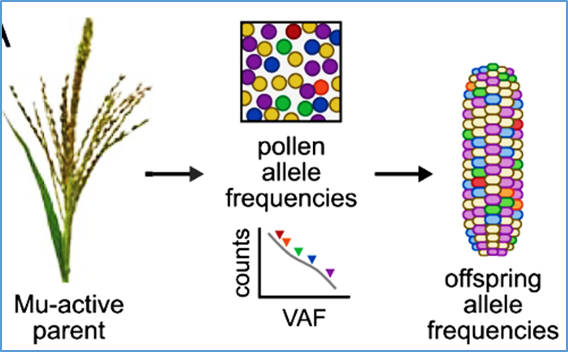
Tuesday, 19/08/2025 | 10:27:20
New mutations provide the raw material for evolution and contribute to cancer, aging, and genetic diseases. It has been challenging to follow the origin and spread of new mutations because they can be exceptionally rare and difficult to detect. By focusing on a class of mutation that can be detected more readily—Mu transposon insertions—we followed the abundance of new mutations in multiple maize tissues. We find that the Mu has broad activity across tissues, but with significant tissue-specific differences in how abundant individual new mutations become. Most mutations were below the detection limit available for other classes of mutation. These results provide a glimpse into the complexity of mutation within multicellular organisms.
Sweet Potato DNA Decoded, Reveals Ancestry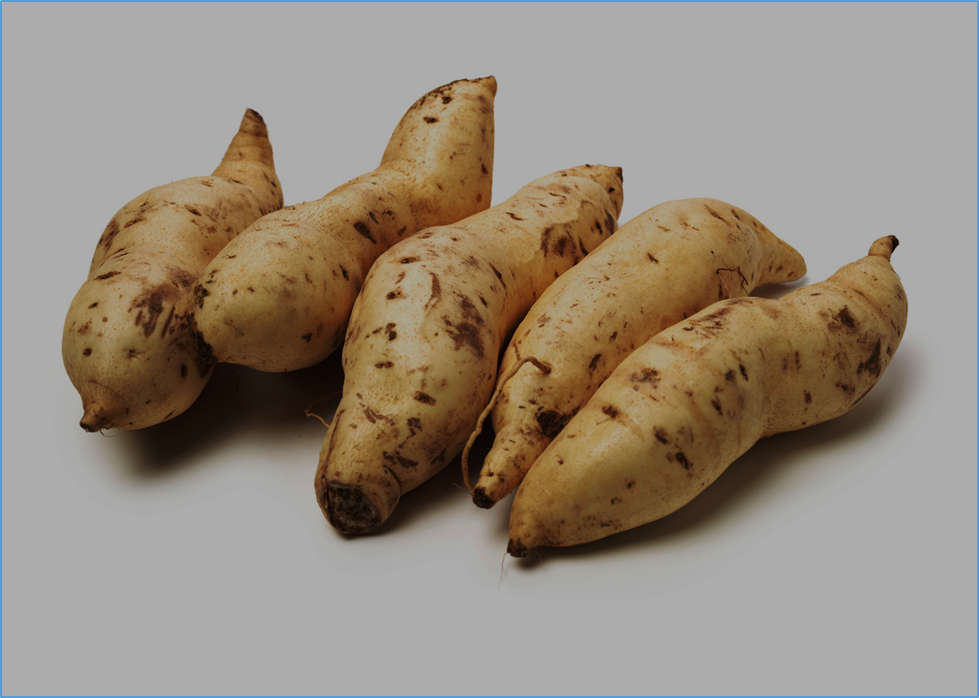
Tuesday, 19/08/2025 | 10:26:11
For decades, the sweet potato, a vital crop for millions, has kept its genetic secrets due to its complex genome. Unlike humans, who have two sets of chromosomes, sweet potatoes have six, a condition called hexaploidy, which made decoding its DNA an immense challenge. A team of scientists at the Boyce Thompson Institute, led by Professor Zhangjun Fei, has finally decoded the complete genome of a sweet potato variety called 'Tanzania,' known for its disease resistance.
Published in Nature Plants, the study used advanced DNA sequencing to untangle the plant's 90 chromosomes and separate them into their six original sets. This groundbreaking achievement provides an "unprecedented level of clarity," according to Fei.
EFSA Scientific Opinion Calls for Modernised Protein Assessment of GMOs
Tuesday, 19/08/2025 | 10:25:27
The European Food Safety Authority (EFSA) Panel on Genetically Modified Organisms (GMOs) has called for an update to the principles and guidelines established two decades ago for the protein assessment of GMOs. The Scientific Opinion highlights the growing complexity of GM products and the limitations of the current international guidelines.
The Panel recommends an improved strategy for protein safety assessment that integrates the history of safe use (HoSU), read-across, and phylogeny; adopts advanced in silico tools; standardizes in vitro gastrointestinal models; evaluates the roles of exposure; and uses post-market monitoring. The GMO Panel noted that although the weight-of-evidence approach is the best strategy to assess newly expressed proteins (NEPs), it must be strengthened with new tools and methodologies to improve the risk assessment.
Analysis of gene expansion and defense-related genes in Anacardiaceae family from an evolutionary aspect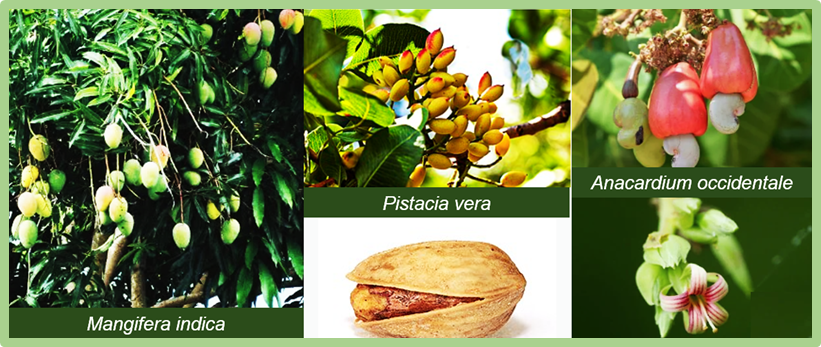
Tuesday, 19/08/2025 | 10:24:35
This study employed a comprehensive phylogenomic, synteny, and gene family analysis across six Rhus species and three additional Anacardiaceae plants (Mangifera indica, Pistacia vera, and Anacardium occidentale). Our findings revealed distinct evolutionary trajectories: Mangifera/Anacardium underwent lineage-specific whole-genome duplications (WGDs) with chromosomal rearrangements, while Rhus/Pistacia retained only the ancestral gamma duplication. Pistacia's genome expanded via transposable elements (TEs), whereas Rhus conserved chromosomal synteny despite accumulating TE-mediated structural variations. Some defense-related gene families, including WRKY transcription factors and nucleotide-binding leucine-rich repeat (NLR) genes, displayed substantial expansions and stress-responsive expression patterns, with 31 WRKY genes significantly upregulated during aphid infestation. NLRs clustered on chromosomes 4/12 showed positive selection signatures. Long terminal repeat retrotransposons exhibited Pleistocene-era activation bursts, potentially linked to climatic adaptation.
Texas A&M University and Uzbekistan Partner for Next Step Toward Humanitarian Use of Ultra-low Gossypol Cotton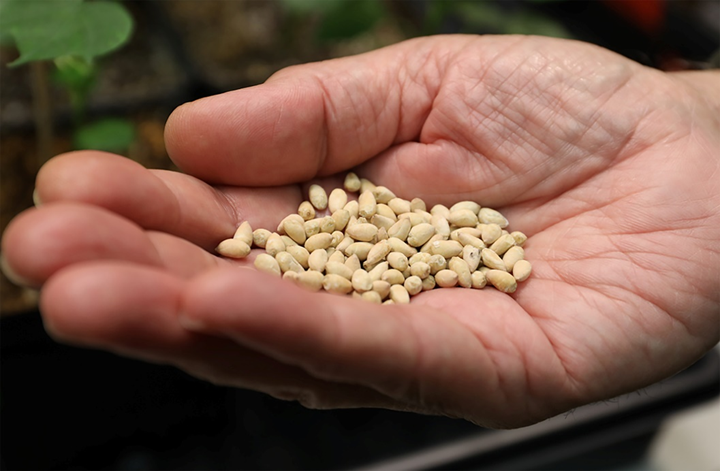
Tuesday, 19/08/2025 | 10:22:59
Texas A&M AgriLife Research marks the initial step toward the commercial adoption of food-ingredient cottonseed, reaching a major milestone in increasing the value of cotton. After decades of research, Texas A&M AgriLife Research scientist Dr. Keerti Rathore has developed a cottonseed variety with ultra-low gossypol. This innovation unlocks the seed's potential as a valuable new food ingredient and feed source for poultry, swine, and fish.
The ultra-low gossypol cottonseed, TAM 66274, has been fully deregulated in the U.S. and is now ready for global adoption. According to the ISAAA GM Approval Database, TAM 66274 cotton is a genetically engineered cotton variety that expresses low levels of gossypol in the seed. Such a trait has opened the market to expand beyond the historically restricted market of dairy cows to feed poultry, swine, and aquaculture species in addition to direct use as a protein source for human consumption.
ISAAA, Inc. E-newsletter to Feature Exclusive Agri-biotech Insights Monthly
Tuesday, 19/08/2025 | 10:21:54
As ISAAA, Inc. celebrates its 25th year of providing quality content to thousands of subscribers, the e-newsletter is now evolving to deliver a more valuable, sustainable, and professional service. Committed to providing its readers with high-quality content, expanded biotech coverage, and features, and ensuring long-term sustainability, ISAAA, Inc. announces a new milestone with free and paid subscription plans that cater to specific stakeholders and ensure the timely delivery of premium content."For 25 years, the ISAAA e-newsletter has been a cornerstone for researchers, policymakers, and stakeholders seeking reliable biotech information," said Dr. Rhodora Romero-Aldemita, Executive Director of ISAAA, Inc. "This evolution to a tiered subscription model is a testament to our commitment to not only maintain, but significantly enhance the quality and depth of our reporting. It allows us to invest further in high-quality content, new features, and a more robust delivery system, ensuring we continue to meet the diverse needs of our global audience."
McATL43 encoding a RING-H2 finger E3 ubiquitin ligase is responsible for Shark teeth (St) fruit wart in bitter gourd (Momordica charantia L.)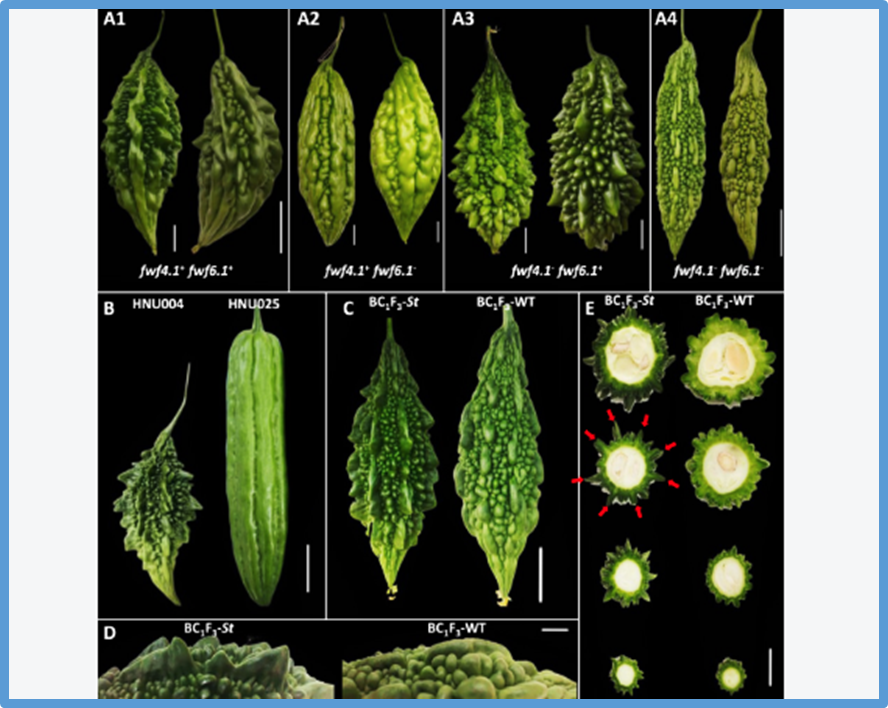
Tuesday, 19/08/2025 | 10:19:55
Fruit wart morphology, defined by the size and arrangement of ridges and tubercles, significantly affects the commercial value of bitter gourd (Momordica charantia L.). Through QTL mapping using accessions that differ in fruit wart feature, we previously identified two major loci, fwf4.1 and fwf6.1, which together explain most of the phenotypic variation. Here, we show that fwf6.1 dominantly controls a tooth-shaped wart pattern, and therefore is named Shark teeth (St). Using a segregating BC1F2 population, we narrowed the St locus to a 19.23-kb interval containing six annotated genes. Among them, McATL43, encoding a RING-H2 finger E3 ubiquitin ligase, emerged as the best candidate. A 2-bp deletion in the single exon of the smooth-wart allele causes a frameshift and premature stop codon, likely disrupting the C-terminal substrate recognition domain.
Food Safety Minister Adopts FSANZ’s Labeling Rules for GM Food Without Added DNA
Tuesday, 19/08/2025 | 10:19:06
New Zealand Food Safety Minister Andrew Hoggard and his Australian counterparts have decided to adopt the updated definitions of Food Standards Australia New Zealand (FSANZ) for genetically modified (GM) food in the Australia New Zealand Food Standards Code. The decision was made in late July following FSANZ's approval of the updated definition.
According to FSANZ's P1055 proposal, food produced using New Breeding Techniques (NBTs) will not be labeled as GM if no novel or new DNA was introduced. Hoggard said that producers may still choose to disclose whether gene technologies were used in the food production process. The Food Safety Minister also said that, to the best of his knowledge, no health issues had been raised from consuming GM products.