


News & Events
News & Events
FAO Director-General’s Papal Audience with His Holiness Pope Leo XIV
Friday, 05/09/2025 | 15:57:32
The FAO Director-General, QU Dongyu, had a Papal Audience with His Holiness Pope Leo XIV at the Vatican City today, which was their first official meeting following the inauguration Mass of the Holy Father’s Pontificate on 18 May 2025.
The Director-General conveyed his deep appreciation to His Holiness for the opportunity to meet, as well as for the many years of close cooperation between FAO and the Holy See. The Director-General also recalled the excellent relations with the previous Holy Father, Pope Francis, and looked forward to further strengthening support and collaboration, noting the important role that the Holy See played in addressing global challenges, including food security.
Progress in Transcriptomics and Metabolomics in Plant Responses to Abiotic Stresses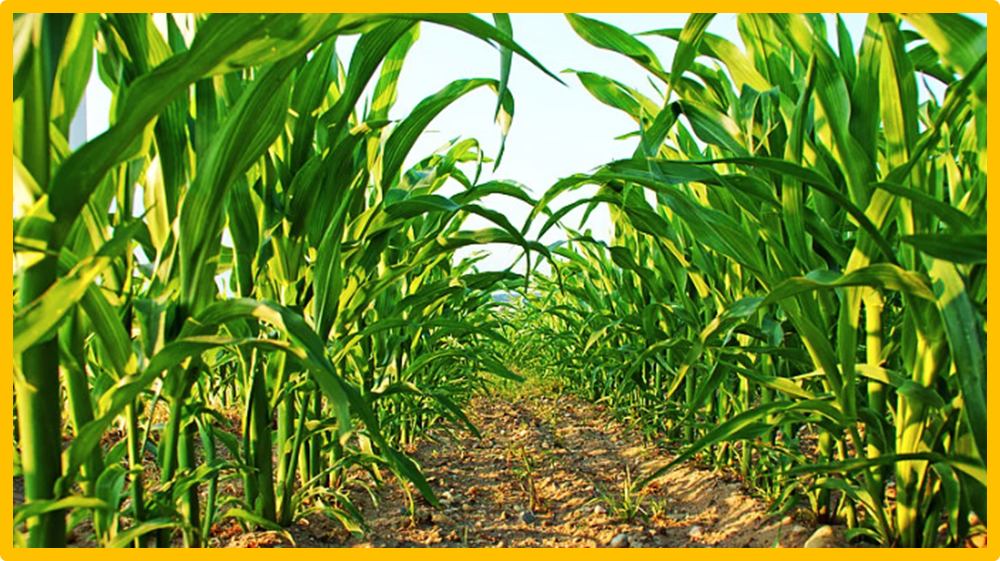
Friday, 05/09/2025 | 15:58:09
Abiotic stress constrains plant growth and productivity worldwide. To survive adverse environmental conditions, plants deploy sophisticated adaptive strategies involving transcriptional reprogramming and metabolic remodeling. Over the past decade, advancements in high-throughput sequencing and mass spectrometry have propelled transcriptomics and metabolomics as pivotal post-genomic disciplines, offering unprecedented opportunities to dissect molecular mechanisms underlying stress responses. This review synthesizes current progress in applying these omics technologies to investigate plant adaptations to key abiotic stresses (thermal, saline, water deficit/excess, and heavy metal stresses).
AI-Powered Robots to Transform Crop Breeding
Friday, 05/09/2025 | 15:58:53
A team of researchers has developed a breakthrough system that combines biotechnology and artificial intelligence (AI) to automate crop breeding. The technology, called GEAIR (Genome Editing with Artificial-Intelligence-based Robots), is designed to genetically engineer crops for robot compatibility and deploy AI-driven robots to perform cross-pollination efficiently. The findings of the study are published in Cell.
Scientists used the CRISPR-Cas9 gene editing technique to engineer plants targeting male sterility and exposed stigmas to make the crop easier for robots to pollinate. This “crop-robot co-design” approach allows GEAIR robots to identify flowers ready for pollination, deposit pollen precisely onto the exposed stigma, and work continuously to cut labor costs and time.
ISAAA, Bayer, and SciCommPH Empower Media Practitioners to Make Informed Biotech Reporting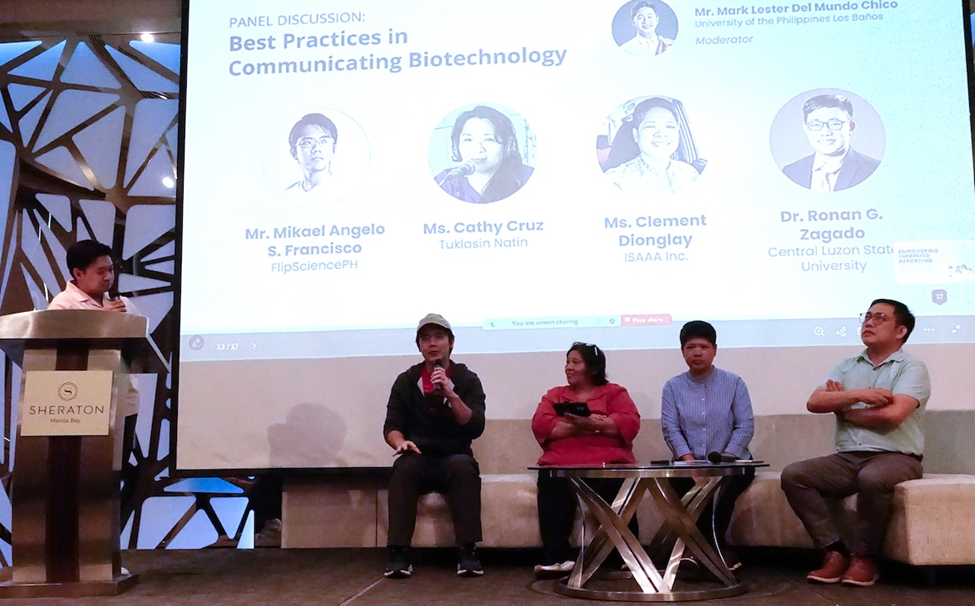
Friday, 05/09/2025 | 15:59:17
The quality of reporting is bolstered by the people who are telling the stories. This statement is one of the highlights of the discussions during the Empowering Informed Reporting: A Workshop on Biotechnology and Science Communication for Philippine Media Practitioners, organized by ISAAA, Inc., Bayer Philippines, and Science Communicators Philippines. The workshop, held on August 19, 2025, at Sheraton Manila Bay, was attended by over 40 media practitioners from print, online, broadcast, and social media.
The presentations provided them with updates on global adoption of biotech crops, Philippine media reportage of biotechnology, and science communication, which were delivered by Dr. Rhodora Romero-Aldemita (ISAAA Inc.), Ms. Kristine Grace Tome (ISAAA, Inc.), and Dr. Ruby Cristobal (SciCommPH).
Identification of an adaptor protein 2σ gene for OsTGW12 to determine grain weight and potentiate quality breeding in rice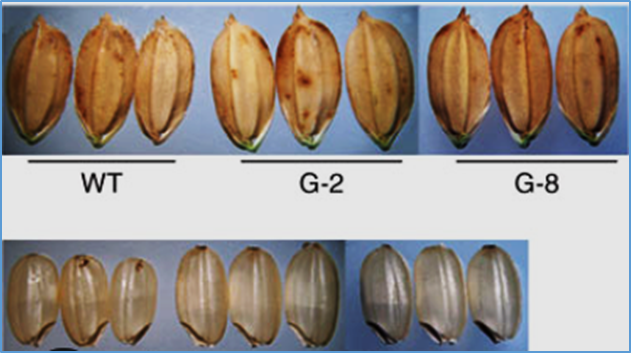
Friday, 05/09/2025 | 15:59:36
In rice, many quantitative trait loci/genes of thousand-grain weight (TGW) have been identified and applied to breed rice varieties with high yield. Here, we identified an allele OsAP2σ89G from a small grain indica rice variety G1025, a causal gene for OsTGW12 on rice chromosome 12 to determine grain weight. AP2σ is an adaptor protein (AP) subunit 2σ involved in the clathrin-mediated endocytosis (CME) in eukaryotic cells. Moreover, overexpression of the allele K1561-OsAP2σ89E but not the allele G1025-OsAP2σ89G increased grain length, grain width and grain weight than the wild type G1025 whereas the RNAi-mediated OsAP2σ mutant showed the opposites. Co-immunoprecipitation mass spectrometry (Co-IP-MS), yeast two-hybrid (Y2H), and luciferase implementation (LUC) assays demonstrated the interaction between OsAP2σ and S-adenosylmethionine synthetase (OsSAMS1), a key enzyme involved in methionine metabolism pathway.
Scientists Use AI to Boost Precision of Gene Editing
Friday, 05/09/2025 | 15:59:55
Scientists from the University of Zurich (UZH), Ghent University in Belgium, and the ETH Zurich have developed a new gene editing method that combines artificial intelligence (AI) with gene editing technologies to precisely edit DNA. The tool, called Pythia, could accelerate the development of safer gene therapies and improve disease modeling.
Phytia uses AI to predict how cells repair their DNA after it is cut by gene editing tools like CRISPR-Cas9. “Our team developed tiny DNA repair templates, which act like molecular glue and guide the cell to make precise genetic changes,” explained lead author Thomas Naert, a postdoctoral researcher at Ghent University. Tested first in human cell cultures, the method was later validated in animal models such as frogs and mice, where the team successfully edited DNA in brain cells.
Pairwise Licenses Fulcrum® CRISPR Platform to Mars for Cacao R&D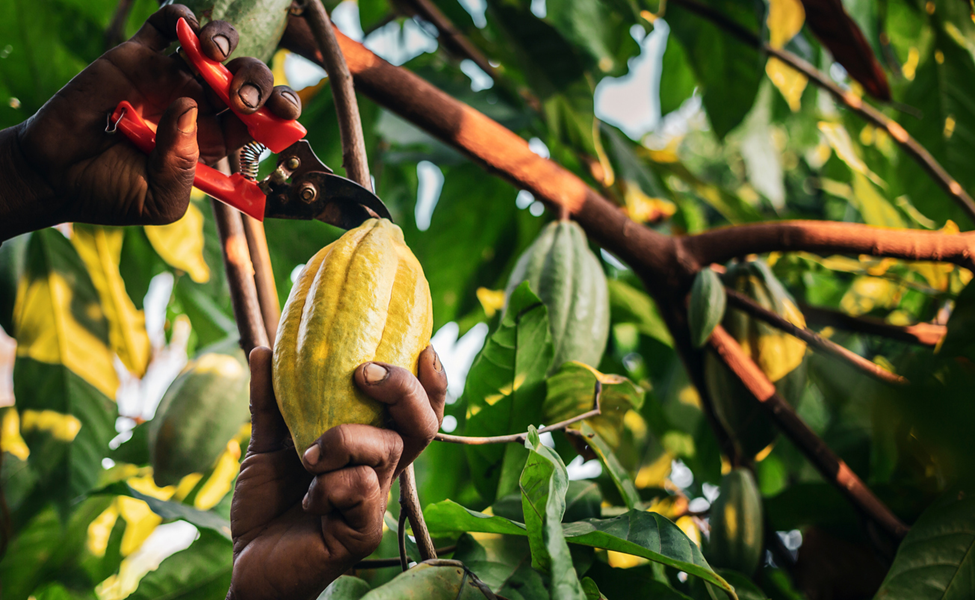
Friday, 05/09/2025 | 16:00:55
Mars, Incorporated has entered a licensing agreement with Pairwise to use its Fulcrum® CRISPR gene editing platform for cacao research. This technology, which includes the SHARC™ enzyme, allows for the precise editing of plant genes to accelerate the development of new traits.
Mars plans to use this advanced plant breeding technology to improve cacao production and effectively tackle agricultural challenges. The ultimate goal is to help cacao plants better withstand climate change, diseases, and environmental stresses, with the goal of strengthening the global cacao supply chain. According to Carl Jones, Plant Sciences Director at Mars, the company is committed to conducting this research transparently and responsibly.
Genetic Divergence and Functional Significance of Bioactive Compounds in Rice and Barley: Implications for Biofortification and Human Health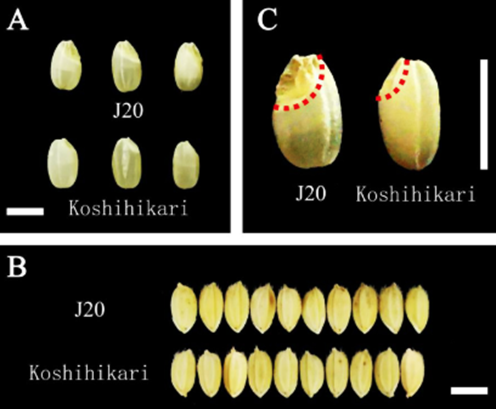
Friday, 22/08/2025 | 11:22:36
The functional components in cereals (rice and barley), such as gamma-aminobutyric acid (GABA), resistant starch (RS), and alkaloids, play crucial roles in human health, offering benefits such as improved cardiovascular function, enhanced gut microbiota, and potential anticancer properties. Rice (Oryza sativa) and barley (Hordeum vulgare) are key dietary staples with distinct genetic architectures influencing the biosynthesis and accumulation of these bioactive compounds. In this study, we explore the interaction and divergence of gene loci associated with GABA, RS, and alkaloid pathways in rice and barley, leveraging comparative genomics to identify conserved and species-specific regulatory mechanisms.
Engineering source-sink relations by prime editing confers heat-stress resilience in tomato and rice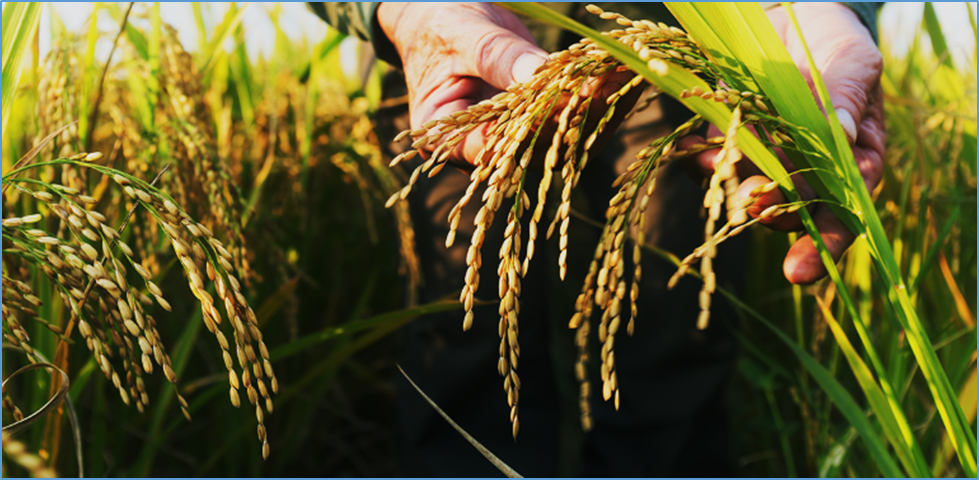
Friday, 22/08/2025 | 15:22:10
A 2°C climate-warming scenario is expected to further exacerbate average crop losses by 3%-13%, yet few heat-tolerant staple-crop varieties are available toward meeting future food demands. Here, we develop high-efficiency prime-editing tools to precisely knockin a 10-bp heat-shock element (HSE) into promoters of cell-wall-invertase genes (CWINs) in elite rice and tomato cultivars. HSE insertion endows CWINs with heat-responsive upregulation in both controlled and field environments to enhance carbon partitioning to grain and fruits, resulting in per-plot yield increases of 25% in rice cultivar Zhonghua11 and 33% in tomato cultivar Ailsa Craig over heat-stressed controls, without fruit quality penalties.
AGX Unconference – Nairobi 2025: Catalyzing collaboration and charting a course for Digital Agriculture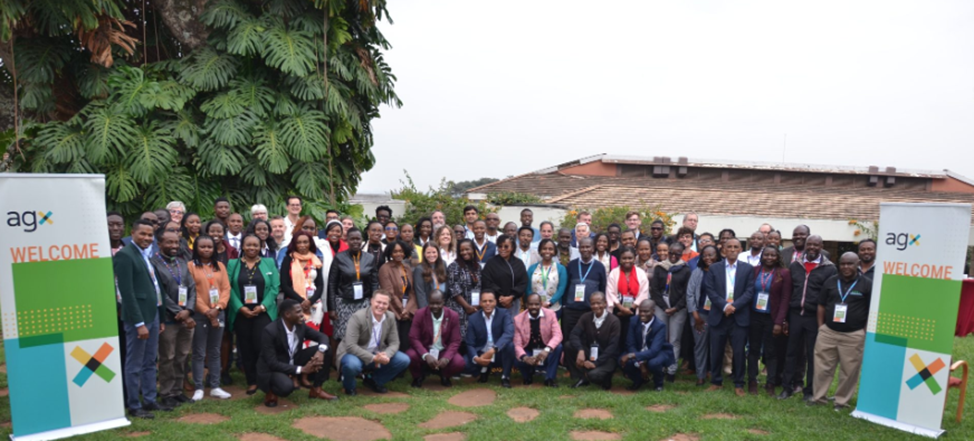
Friday, 22/08/2025 | 11:20:25
The first AGX Unconference, a dynamic, participant-driven event, convened in Nairobi during 23-24 July 2025. Hosted at ILRI Nairobi, the gathering brought together a diverse group of stakeholders – from small-scale farmers to fintech developers, researchers, cooperative leaders, and policymakers – all driven by one shared goal: making agriculture more efficient through Artificial Intelligence (AI) and Digital Public Infrastructure (DPI).
Co-hosted by CGIAR’s Digital Transformation Accelerator (DTA), Gates Foundation, German Agency for International Cooperation (GIZ), DIASCA, and DevGlobal, the event marked the official launch of a new convening series designed to catalyze a global shift toward more efficient, inclusive, and resilient agricultural systems by leveraging technology to empower small-scale producers in the global South.
Fine mapping and prediction of a candidate gene for wrinkled rind in melon (Cucumis melo L.)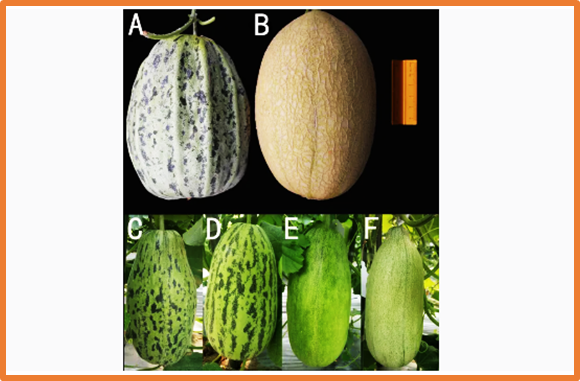
Wednesday, 20/08/2025 | 08:45:47
The wrinkled rind (wr) phenotypic trait in melon is rare, and the regulatory mechanisms and genes governing this feature remain unclear. In this study, genetic analysis of a segregating F2 population derived from the wrinkled rind melon line T16-085 and the smooth rind line T15-022 suggested that the wr trait is controlled by a single recessive gene, designated Cmwr. Scanning electron microscopy suggested that rind wrinkling is caused by the uneven aggregation of rind cells. Bulked segregant analysis (BSA) delimited the candidate region to approximately 1.90 Mb on chromosome 2, genetic linkage analysis refined this locus to a 448.24-kb region, and fine mapping of data from 1140 F2 individuals restricted it to a 72.24-kb region containing eight candidate genes.
MALUSOG RICE (GOLDEN RICE)
Wednesday, 20/08/2025 | 08:44:38
More than three billion people worldwide depend on rice for nourishment. In the Philippines, rice constitutes almost 40% of the Filipino diet. As a staple food, it is an important source of carbohydrates but not of some micronutrients, such as vitamin A. The typical Filipino diet is chronically lacking in vitamin A resulting in vitamin A deficiency (VAD).
VAD and other forms of micronutrient deficiencies continue to be significant public health problems in our country. If not addressed properly, this condition can lead to reduced immunity, cognitive development, and poor eyesight. Multiple deficiencies disproportionately affect poor households and on the macro level, impact productivity and quality of life.