


News & Events
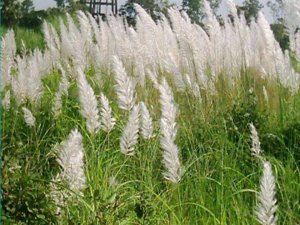
Sugarcane (Saccharum spp., Poaceae) is a leading crop for sugar production providing 80% of the world’s sugar. However, the genetic and genomic complexities of this crop such as its high polyploidy level and highly variable chromosome numbers have significantly hindered the studies in deciphering the genomic structure and evolution of sugarcane. Here, we developed the first set of oligonucleotide (oligo)-based probes based on the S. spontaneum genome (x = 8), which can be used to simultaneously distinguish each of the 64 chromosomes of octaploid S. spontaneum SES208 (2n = 8x = 64) through fluorescence in situ hybridization (FISH).
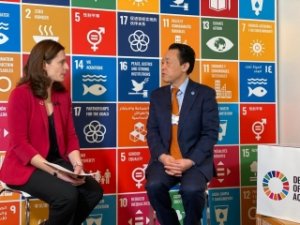
23 January 2020, Davos – FAO Director-General QU Dongyu today urged the private sector to work with the organization in its efforts to lift the world’s most vulnerable out of hunger and poverty. Speaking to UN TV at the 2020 World Economic Forum in Davos, the Director-General said more than 800 million people in the world did not have enough to eat and called for urgent action to achieve the UN’s Sustainable Development Goals.
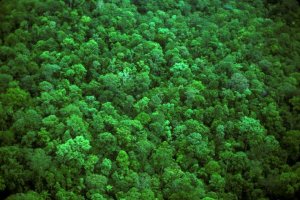
The Global Forest Observations Initiative (GFOI) today launched a portal - the first such comprehensive platform - to track international capacity development support to developing countries in forest monitoring for climate action. The portal - the GFOI Inventory of Activities - is a one-stop shop with easy-to-access information on more than 400 forest monitoring activities in 70 developing countries across Africa, Asia and the Pacific, Latin America and the Caribbean. Users can search for information by country or region, by type of forest monitoring activities, and by donors.
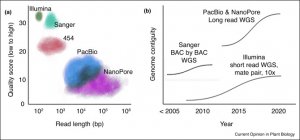
Plant genomes span several orders of magnitude in size, vary in levels of ploidy and heterozygosity, and contain old and recent bursts of transposable elements, which render them challenging but interesting to assemble. Recent advances in single molecule sequencing and physical mapping technologies have enabled high-quality, chromosome scale assemblies of plant species with increasing complexity and size. Single molecule reads can now exceed megabases in length, providing unprecedented opportunities to untangle genomic regions missed by short read technologies. However, polyploid and heterozygous plant genomes are still difficult to assemble but provide opportunities for new tools and approaches.
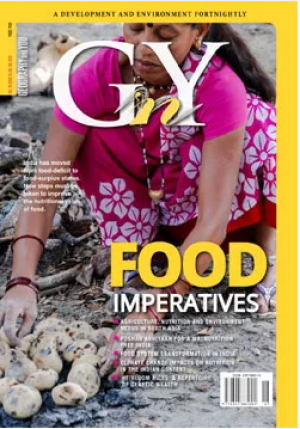
Food systems are at the nexus of food security, nutritional health, ecosystems, climate change, and prosperity. The Green Revolution enabled countries in South Asia to move from food deficit to self-sufficiency, particularly in cereals. In the process, millions were lifted out of poverty. Despite this, we find ourselves dealing with the “triple burden” of undernutrition, micronutrient deficiencies, and over nutrition. Levels of stunting in children under 5 years of age and anaemia in women remain shockingly high across South Asia.
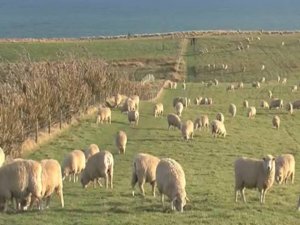
The link between human and animal populations, and with the surrounding environment, is particularly close in developing regions where animals provide transportation, draught power, fuel, clothing as well as proteins (meat, eggs and milk). FAO attributes to animal health as a necessary tool for a more sustainable livestock production. Animal products do not only represent a source of high-quality food, but are also a source of income for many small farmers and animal holders in developing countries.
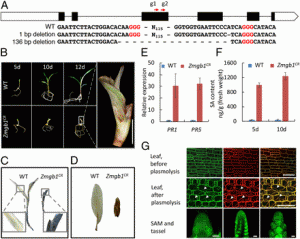
Heterotrimeric G proteins are important transducers of receptor signaling, functioning in plants with CLAVATA receptors in controlling shoot meristem size and with pathogen-associated molecular pattern receptors in basal immunity. However, whether specific members of the heterotrimeric complex potentiate cross-talk between development and defense, and the extent to which these functions are conserved across species, have not yet been addressed. Here we used CRISPR/Cas9 to knock out the maize G protein β subunit gene (Gβ) and found that the mutants are lethal, differing from those in Arabidopsis, in which homologous mutants have normal growth and fertility. We show that lethality is caused not by a specific developmental arrest, but by autoimmunity.

Documenting novel cases of tool use in wild animals can inform our understanding of the evolutionary drivers of the behavior’s emergence in the natural world. We describe a previously unknown tool-use behavior for wild birds, so far only documented in the wild in primates and elephants. We observed 2 Atlantic puffins at their breeding colonies, one in Wales and the other in Iceland (the latter captured on camera), spontaneously using a small wooden stick to scratch their bodies.
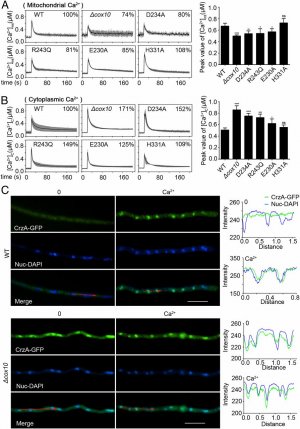
The host range for Aspergillus fumigatus is wide, including mammals, aves, and insecta (stonebrood). This is linked to the significant adaptability of this important fungal pathogen. It is thermotolerant, able to grow up to 70 °C, and astonishingly also remains viable down to −20 °C (1). It is microaerophilic and a halophile; forms extensive biofilms, a problem for antifungal eradication in patients; and has >20 secondary metabolite biosynthetic clusters, some of the products of which have immunosuppressive and cytotoxic properties, such as gilotoxin. A. fumigatus also produces a large number of extracellular enzymes, many of which are allergenic, making this organism the only common human pathogen to also cause allergic disease.

Black spot, caused by Diplocarpon rosae, is one of the most serious foliar diseases of landscape roses that reduces the marketability and weakens the plants against winter survival. Genetic resistance to black spot (BS) exists and race-specific resistance is a good target to implement marker-assisted selection. High-density single nucleotide polymorphism-based genetic maps were created for the female parent of a tetraploid cross between ‘CA60’ and ‘Singing in the Rain’ using genotyping-by-sequencing following a two-way pseudo-testcross strategy.

The EU is currently taking measures to review the ruling on gene editing and overhaul the current GMO legislation, according to EU Agriculture Commissioner Phil Hogan. "The Commission has asked EU member states to provide the necessary data in order to help the EU executive to come up with a robust response to the EU court's ruling and draft a legislative response for the next Commission," Hogan stated in an interview. He added that this is a sensitive issue considering that member states have different views and opinions on genetically modified organisms (GMOs).
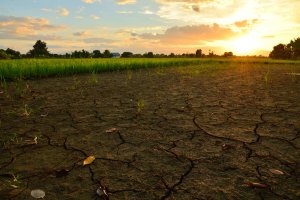
Scientists from the University of Würzburg, Germany and partners are exploring on the capability of modified plants to store more carbon dioxide, which can possibly slow down climate change. Their findings are published in Trends in Biotechnology. Excessive carbon dioxide released through the soil and vegetation respiration that is not absorbed by plants through photosynthesis fuels global warming. The researchers conducted a study on plants with modified metabolism, thus can absorb residual carbon dioxide more efficiently. Initially, they used complex calculations to understand if plants can be modulated to fix more carbon dioxide.