


News & Events
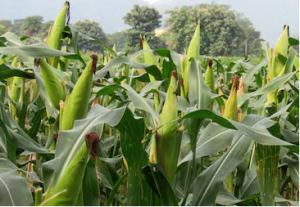
Breeding for cold tolerance in maize is an important objective in temperate areas. The objective was to carry out a highly efficient study of quantitative trait loci (QTLs) for cold tolerance in maize. We evaluated 406 recombinant inbred lines from a multi-parent advanced generation intercross (MAGIC) population in a growth chamber under cold and control conditions, and in the field at early and normal sowing.
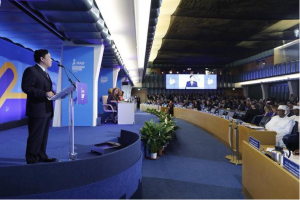
Achieving the Sustainable Development Goals is a "team effort", FAO Director-General QU Dongyu said today as he welcomed the 43rd Governing Council of the International Fund for Agricultural Development (IFAD). The fact that IFAD's governing body is meeting at FAO's headquarters ""is a clear indicator of how the Rome-based agencies work together every day and support each other," he said.
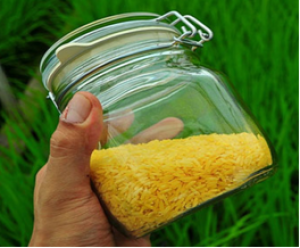
The newly-expressed proteins in Golden Rice are not similar with allergens or toxins, indicating its safety as food. This is according to the study published in Nature Scientific Reports. This also follows the findings of the US Food and Drug Administration, Health Canada, Food Standard Australia and New Zealand, and the Philippine Department of Agriculture-Bureau of Plant Industry.
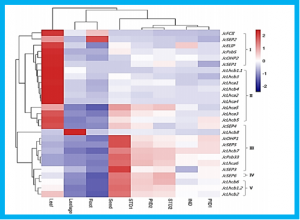
The Lhc (light-harvesting chlorophyll a/b-binding protein) superfamily represents a class of antennae proteins that play indispensable roles in capture of solar energy as well as photoprotection under stress conditions. Despite their importance, little information has been available beyond model plants
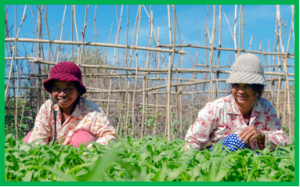
Small family farms make up 85 per cent of all farms worldwide, and smallholder farmers make up the majority of the world’s rural poor. To mitigate the challenges that come with working in isolation − and to increase profitability and productivity − these smallholders often form organizations.
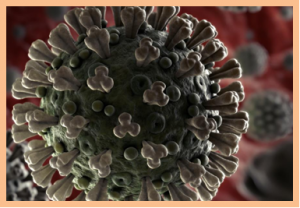
WHO is convening a global research and innovation forum to mobilize international action in response to the new coronavirus (2019-nCoV). "Harnessing the power of science is critical for bringing this outbreak under control," said WHO Director-General Dr Tedros Adhanom Ghebreyesus. “There are questions we need answers to, and tools we need developed as quickly as possible.
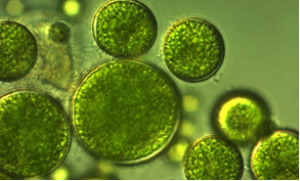
Nitrous oxide (N2O), a potent greenhouse gas in the atmosphere, is produced mostly from aquatic ecosystems, to which algae substantially contribute. However, mechanisms of N2O production by photosynthetic organisms are poorly described. Here we show that the green microalga Chlamydomonas reinhardtii reduces NO into N2O using the photosynthetic electron transport.
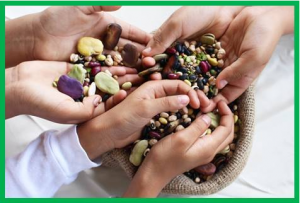
We see them at the grocery store, the farmer’s market and as side orders served with our favourite dish. In many countries, they are part of the cultural heritage and are consumed on a regular or even daily basis. In other parts of the world, they hardly garner a mention except when served in a soup on a cold winter’s day.

FAO Director-General Dr QU Dongyu today received the visit of Dr Agnes Kalibata, the UN Secretary-General’s Special Envoy for the Food Systems Summit 2021. Both officials then went on to take part in an informal briefing to FAO Member States on preparation of the high-level event next year. The informal briefing was also attended by Gilbert Houngbo, President of IFAD; Amir Abdulla, Deputy Executive Director of WFP; and Ambassador Hisham Mohamed Badr, President of the WFP Executive Board.
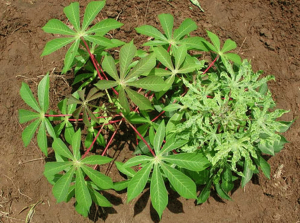
Sri Lankan cassava mosaic virus is an emerging pathogen in Southeast Asia. Here, we report the complete genome of a Thai isolate obtained using Nanopore technology. The isolate was collected in 2019 from the northeastern province of Surin, soon after disease eradication was reported in the country. Sri Lankan cassava mosaic virus (SLCMV) is a circular, bipartite single-stranded DNA virus belonging to the family Geminiviridae (genus Begomovirus).
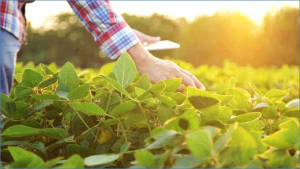
FAO today welcomes the sharing of China's digital agriculture plan on its e-agriculture platform. This contribution comes on the heels of the latest Global Forum for Food and Agriculture (GFFA), where agriculture ministers of 71 nations welcomed the advancement in creating an International Digital Council for Food and Agriculture.
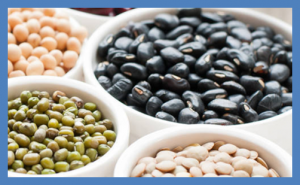
Following the success of the International Year of Pulses (IYP) 2016, World Pulses Day is a new opportunity to heighten public awareness of the nutritional benefits of eating pulses. Pulses are more than just nutritious seeds, they contribute to sustainable food systems and a #ZeroHunger world.