


News & Events
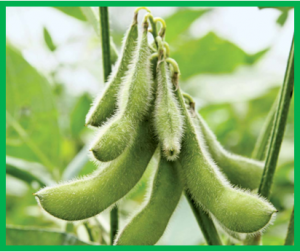
Broadening the diversity of cultivated soybean [Glycine max (L.) Merrill] through introgression of exotic germplasm has been difficult. Our objectives were to (1) determine if introgressing specific chromosome segments (instead of quantitative trait locus alleles) from exotic soybean germplasm has potential for improving an elite cultivar, and (2) identify strategies to introgress and pyramid exotic chromosome segments into an elite cultivar. We estimated genomewide marker effects for yield and other traits in seven crosses between the elite line IA3023 and seven soybean plant introductions (PIs).
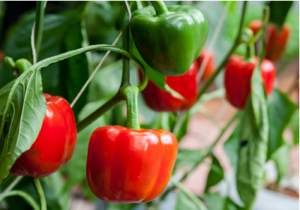
Researchers at the Universitat Politècnica de València (UPV) have released the most complete genetic map of peppers cultivated in Spain. The research team analyzed 190 pepper landraces — 183 from cultivated species and 7 wild forms. The landraces that were analyzed include all pepper with Spanish origins, including the thick and sweet ones (Morrón bell peppers) and Valencian peppers, Trompa de Vaca, Largo de Reus, Morrón de Fresno and Benavente
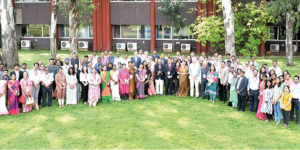
The Asia-Pacific Association of Agricultural Research Institutions (APAARI) led six other institutions in reviewing the status of regulatory policies for gene editing across the globe, particularly in the Asia-Pacific region. The Regional Expert Consultation on Gene Editing and its Regulation was held at the International Crop Research Institute for the Semi-Arid Tropics (ICRISAT) in Hyderabad, India on October 10-11, 2019 and gathered experts from 12 different countries in the region.
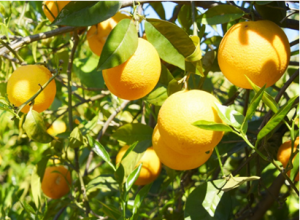
The lack of naturally occurring resistance to citrus psorosis virus (CPsV) necessitates a transgenic approach for the development of CPsV-resistant citrus. To evaluate the feasibility of conferring resistance to a non-transgenic scion, we have assembled citrus plants by grafting combining a non-transgenic Sweet Orange as scion, CPsV-resistant transgenic Sweet Orange lines expressing intron-hairpin (ihp) RNA

University of Edinburgh researcher, Alan Raybould, and team conducted a comparative study to find out if transgenic protein expression will not significantly increase due to stacking. This is vital in ecological risk assessment of transgenic crops with stacked insecticidal traits, to make sure that existing margins of exposure are within acceptable levels

In his inaugural address to the International Conference on the Regulation of Agvet Chemicals and Technologies (RACT 2020), Matthew Cossey, Chief Executive Officer of CropLife Australia, declared that independent science-based regulation needs defending from activist attacks and community ignorance. At the event held at the University of New England on February 16, 2020, Mr. Cossey addressed the modern challenges facing the agvet chemical industry and regulatory system.
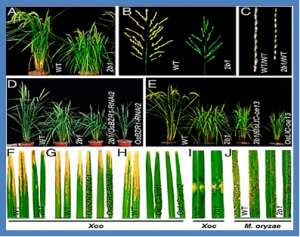
In plants, enhanced defense often compromises growth and development, which is regarded as trade-offs between growth and defense. Here we identified a gene, OsALDH2B1, that functions as a master regulator of the growth–defense trade-off in rice. OsALDH2B1 has its primary function as an aldehyde dehydrogenase and a moonlight function as a transcriptional regulator.
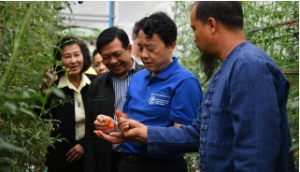
The Director-General of the Food and Agriculture Organization of the United Nations (FAO), QU Dongyu, made the remarks while visiting a tomato ‘smart’ farm in central Thailand. FAO - 18 February 2020, Bangkok – With the majority of the world’s food produced by smallholder farmers, countries are taking steps to make agricultural processes smarter, more efficient and more profitable for all.
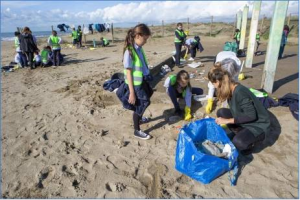
Kids are showing that age really is just a number when it comes to fighting climate change. While not every child can sail the Atlantic like Greta Thunberg, that’s not to say they can’t help in the fight against climate change. Protecting our oceans is a key part of this fight. The world’s oceans benefit us in many different ways, providing us with food,
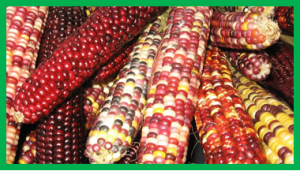
Predicting the performance of untested single-cross hybrids through genomic prediction (GP) is highly desirable to increase genetic gain. Here, we evaluate the predictive ability (PA) of novel genomic strategies to predict single-cross maize hybrids using an unbalanced historical dataset of a tropical breeding program.

Australia's Office of Gene Technology Regulator (OGTR) received an application from the International Flower Developments Pty Ltd (IFD) to include dealings with GM blue carnations on the GMO Register. Approval of OGTR would mean that it will not be necessary for people undertaking dealings with the GM blue carnations to hold or be covered by a GMO license.

In a wide study to assess the impacts of innovation, University of Saskatchewan researchers noted how GMO canola, herbicide tolerant in particular, helped farmers gain more than C$200 million in profit, among other benefits. Researchers from the University of Saskatchewan investigated how the distribution of benefits makes an impact on innovation.