


News & Events
News & Events
Reduced leaf width increases photosynthetic rate without improving water-use efficiency in rice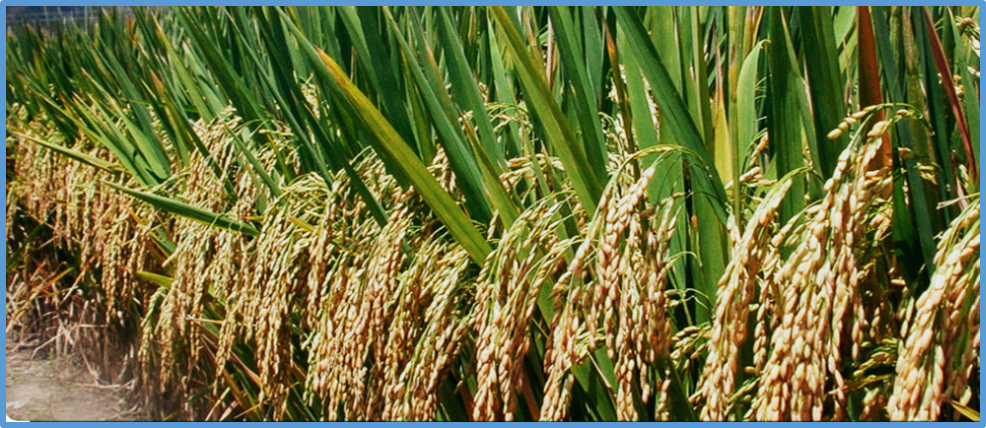
Friday, 21/11/2025 | 14:12:59
Enhancing rice photosynthesis is essential for increasing yield, yet the specific leaf morphological characteristics associated with high photosynthetic efficiency remain unclear. This study aims to investigate how reducing leaf width (LW) influences photosynthetic rate (A) and water-use efficiency (iWUE) in rice. Pot experiments were performed using 14 cultivated rice genotypes exhibiting considerable LW variations and genetically modified rice lines carrying the NARROW LEAF 1 (NAL1) gene.
Researchers Discover Key to Reducing Dependence on Synthetic Nitrogen Fertilizers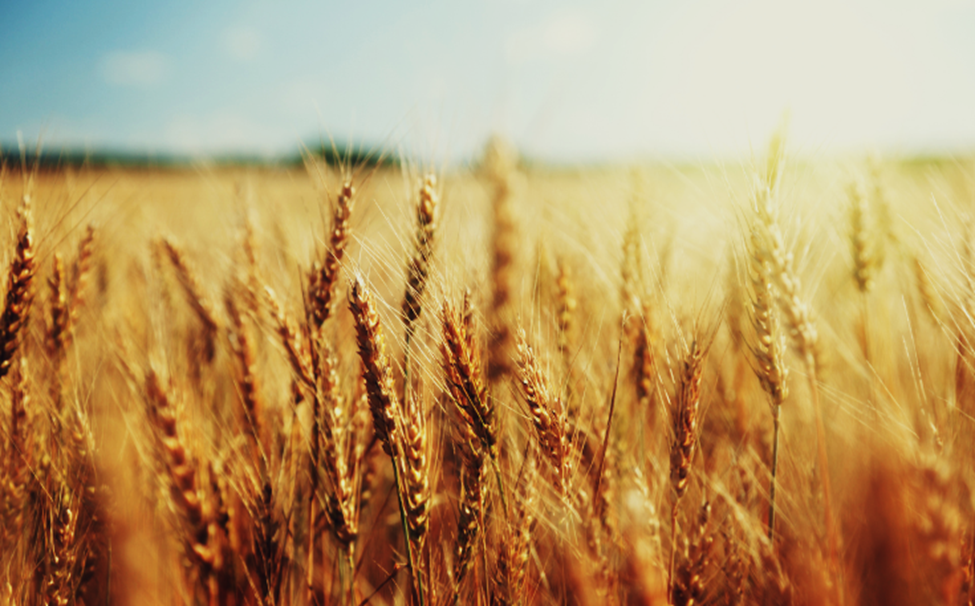
Friday, 21/11/2025 | 14:11:36
Kasper Røjkjær Andersen and Simona Radutoiu, professors from Aarhus University, have discovered an important key that could significantly reduce global agriculture's dependence on synthetic nitrogen fertilizers, which currently account for about two percent of global energy consumption and emit large amounts of CO2. The discovery centers on understanding how certain legumes, such as peas and clover, can thrive without fertilizer by engaging in symbiosis with nitrogen-fixing bacteria. Scientists are now one step closer to transferring this critical trait to staple crops such as wheat, maize, and rice.
Disasters cost global agriculture $3.26 trillion over three decades, FAO report reveals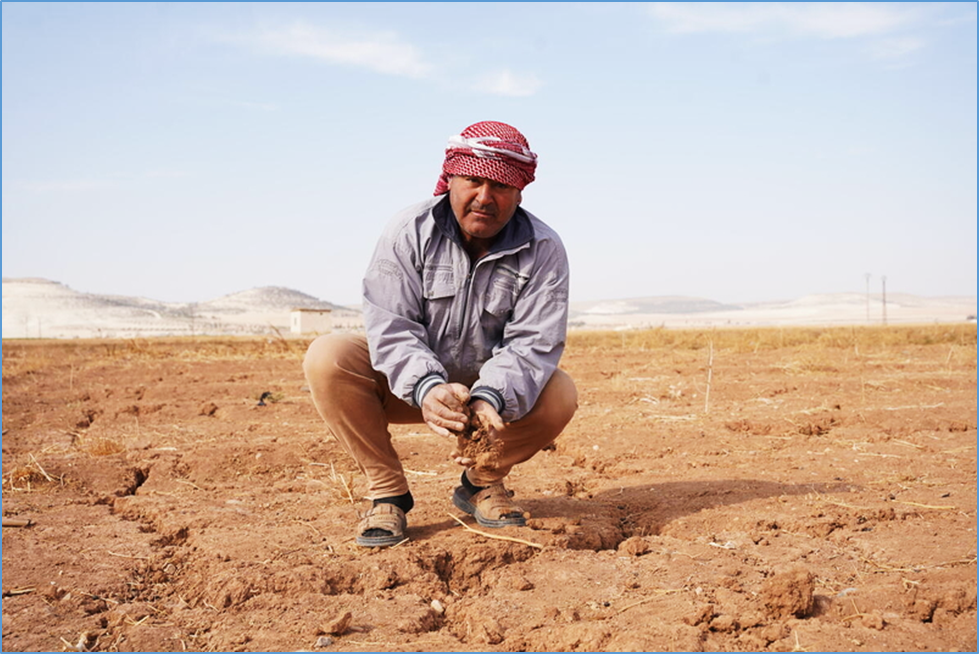
Friday, 21/11/2025 | 14:10:30
Disasters have inflicted an estimated $3.26 trillion in agricultural losses worldwide over the past 33 years – an average of $99 billion annually, roughly 4 percent of global agricultural GDP – according to a new report by the Food and Agriculture Organization of the United Nations (FAO). The Impact of Disasters on Agriculture and Food Security 2025 highlights how digital technologies are transforming how farmers, governments and communities can monitor risks, anticipate impacts, and protect livelihoods.
Global scenario of viruses infecting papaya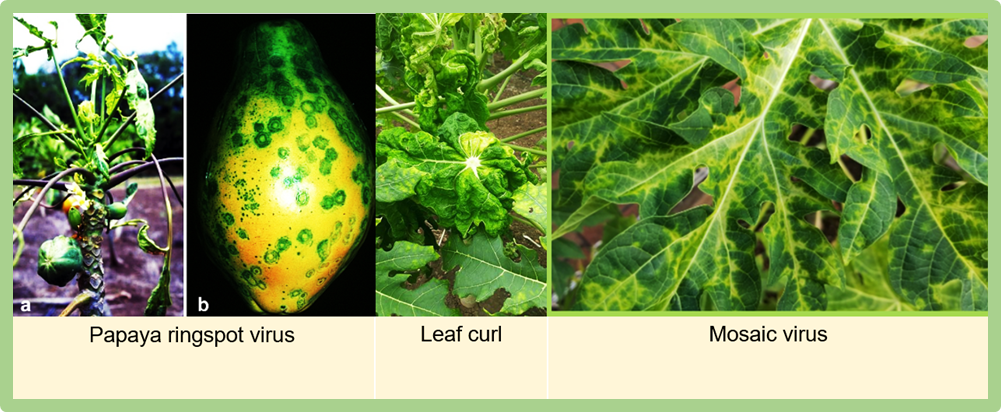
Friday, 21/11/2025 | 08:00:49
Papaya (Carica papaya), a member of the family Caricaceae, is an important fruit crop extensively cultivated in tropical and subtropical regions worldwide, including Brazil, China, India, Indonesia, Jamaica, Mexico, Nigeria, Peru, the Philippines, Taiwan, Thailand and the United States of America. Originally native to Central and North America, its global distribution is attributed to its adaptability to diverse climates and soil conditions.
Experts Improve Efficiency of Transgene-free Gene Editing in Citrus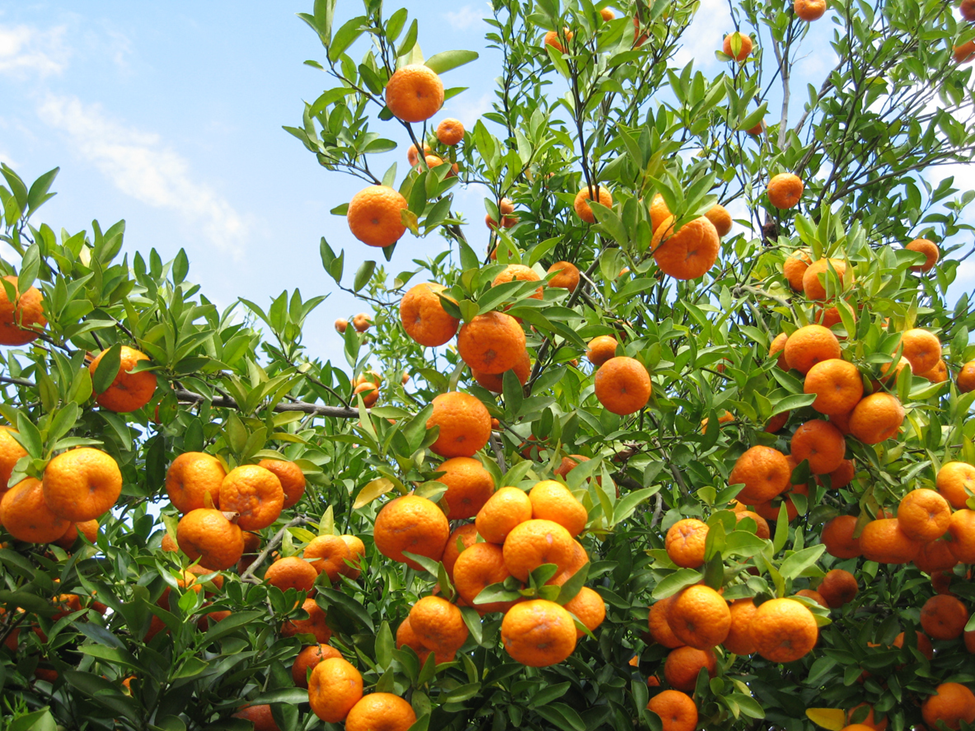
Friday, 21/11/2025 | 07:59:39
University of Connecticut (UConn) researchers reported a transgene-free gene editing with higher efficiency than older methods and used citrus plants as a model system. Their findings are published in Horticulture Research.
Citrus plants are facing a devastating disease called Huanglongbing, which has destroyed over 70% of citrus trees in Florida. One potential solution to this agricultural problem is to genetically edit citrus to develop natural resistance to the pathogen. This led the UConn researchers to devise a new gene editing method optimized to achieve this objective.
Recognizing a Rising Young Leader: Announcing the 2025 Borlaug-Ruan Internship Excellence Award Winner
Friday, 21/11/2025 | 07:58:47
Each year, the World Food Prize Foundation recognizes one outstanding student’s accomplishments and performance as an intern with the Borlaug-Ruan International Internship as an indication of the Foundation’s commitment to continuing to empower and invest in youth.
After an impactful summer of hands-on learning and immersive experiences, one intern was selected to win the Internship Excellence Award for her outstanding internship report, personal and professional growth during her internship and commitment to cross-cultural understanding and impact during her Borlaug-Ruan International Internship. This year, Ariadne Pappa, intern at the International Crops Research Institute for the Semi-Arid Tropics (ICRISAT) in India, has won the Internship Excellence Award.
OsGSTT3 regulates seed germination by modulating reactive oxygen species homeostasis in rice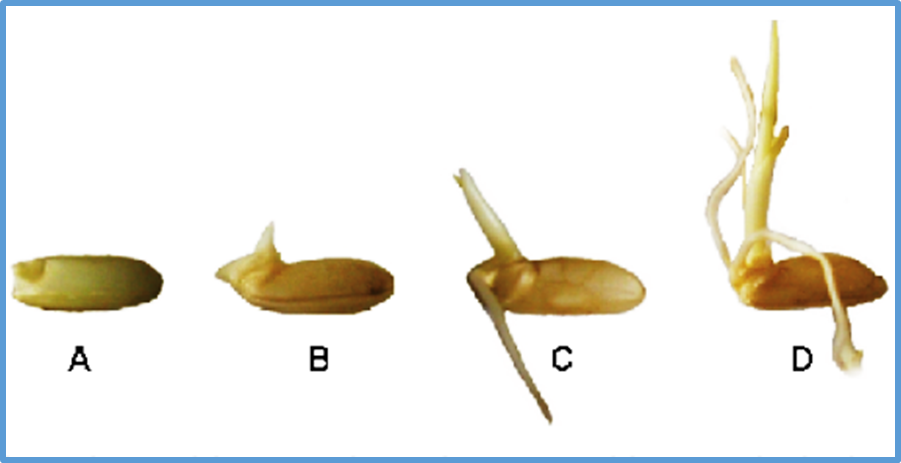
Thursday, 20/11/2025 | 08:02:22
Seed germination is a complex physiological process regulated by both internal and external factors. Glutathione S-transferases (GSTs), a critical class of antioxidant enzymes, play key roles in plant responses to environmental stress. However, their molecular regulatory mechanisms in rice seed germination remain largely unexplored. In this study, we identified OsGSTT3 as a key regulator of seed germination in rice. Both OsGSTT3 overexpression and knockout lines exhibited delayed germination speeds compared with wild-type (WT) plants
Researchers Develop Cold-Resistant Tomato Without Compromising Growth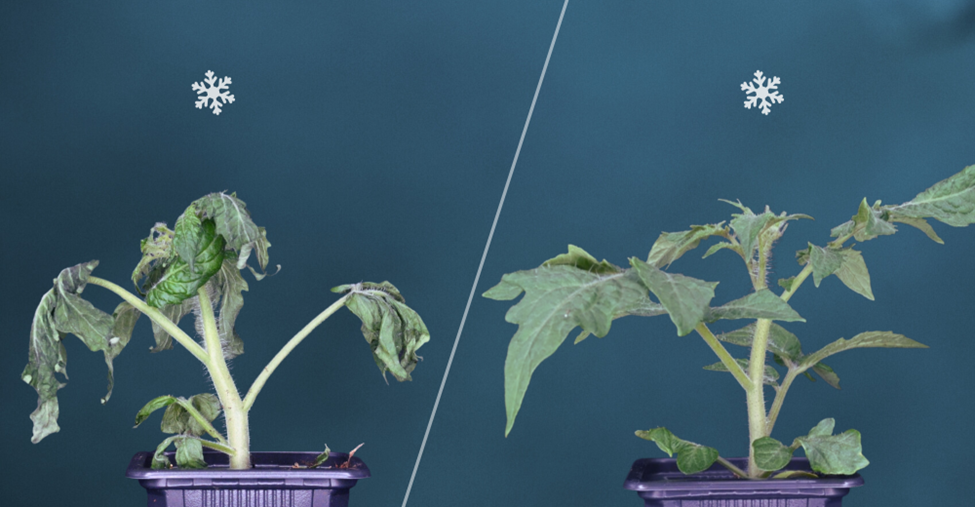
Thursday, 20/11/2025 | 08:01:17
The tomato plant is highly susceptible to cold stress, with temperatures below 12°C severely impairing its growth and development. This sensitivity leads to crop failure and food waste, particularly in regions with unpredictable weather. To solve this challenge, researchers at the University of Barcelona and the Centre for Research in Agricultural Genomics (CRAG) developed a new cold-resistant tomato variety that maintains robust growth without compromise.
COP30 Week 1: Negotiation Highlights and CGIAR Perspectives 
Thursday, 20/11/2025 | 08:00:08
Week 1 of COP30 in Belém, Brazil – set against the backdrop of the Amazon – was eventful and at times fraught. As negotiators grappled with complex issues, CGIAR’s delegation closely followed eight key tracks vital to food systems and climate action. These span from gender equity and adaptation metrics to agricultural transformation and climate finance. Below we summarize the week’s progress (and pitfalls) in each track, and what it means for CGIAR’s mission to advance science-based, inclusive climate solutions.
Loss of calcium-dependent protein kinases OsCPK5 and OsCPK13 leads to NLR-dependent resistance in rice
Wednesday, 19/11/2025 | 08:19:38
Calcium (Ca2+) signaling plays a crucial role in plant immunity, regulating both pattern-triggered immunity (PTI) through cell-surface receptors and effector-triggered immunity (ETI) via intracellular nucleotide-binding, leucine-rich repeat receptors (NLRs). Calcium-dependent protein kinases (CPKs/CDPKs) serve as key Ca2+ sensors and signal transducers in these processes. In this study, we demonstrate the relevance of two rice CPKs, OsCPK5 and OsCPK13, for rice blast resistance. Both are Ca2+-responsive kinases, with potential in planta heteromer formation enhancing their phosphorylation/signaling functions.
Experts Highlight the Use of Precise Genetic Approaches to Develop Climate-Resilient Crops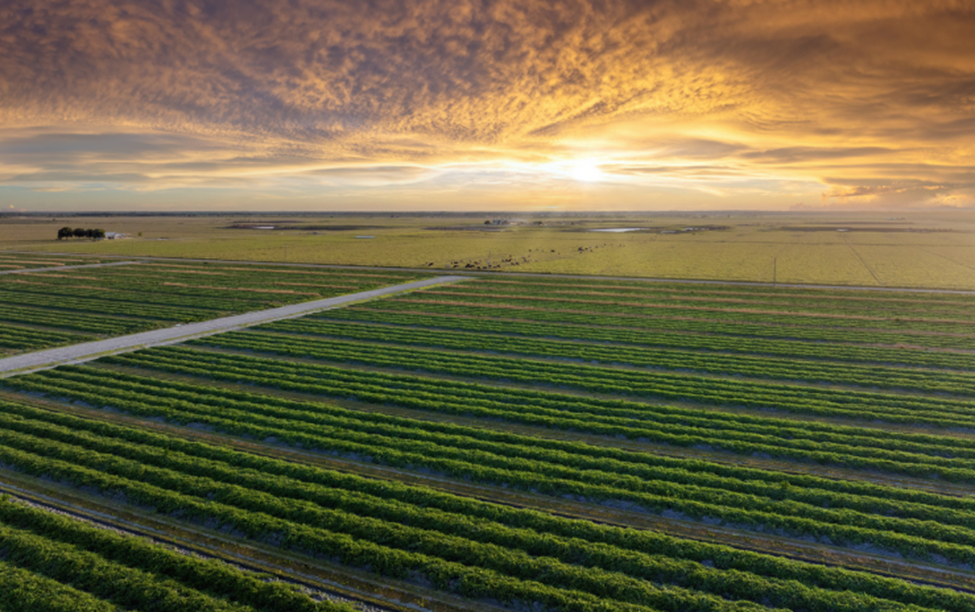
Wednesday, 19/11/2025 | 08:17:59
A new review published in Science by experts from California Institute of Technology (Caltech) and Ghent University presents a roadmap for using genomics and plant developmental biology to engineer crops that can better withstand the effects of global warming. The study highlights new insights into how plant cell behavior can guide the creation of climate-smart agriculture.
The research team proposes the use of precise genetic approaches to make subtle tweaks to a plant's natural gene expression, rather than relying on broad modifications.
Bridging science, finance, and restoration: Insights from the sustainable beef investment roundtable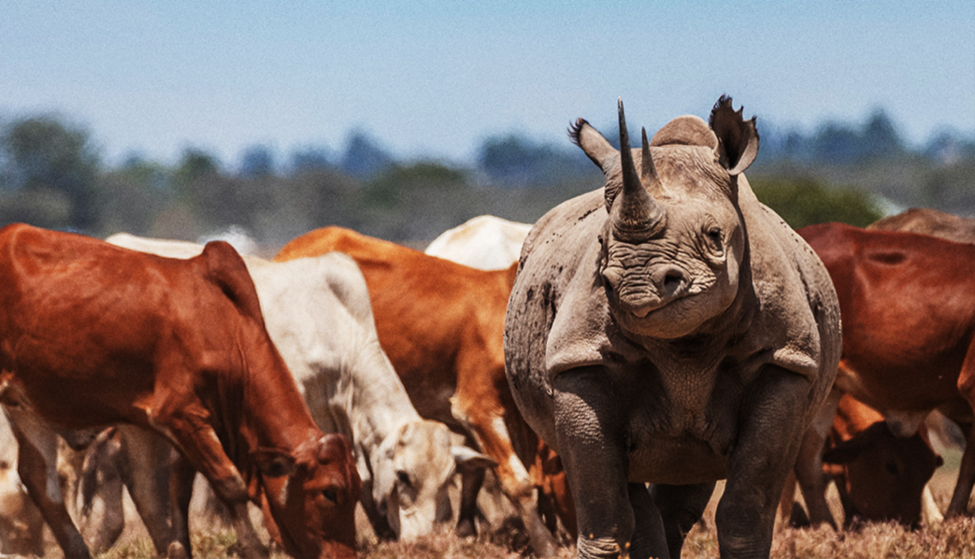
Wednesday, 19/11/2025 | 08:17:09
The Sustainable Beef Investment Roundtable brought together over 50 participants representing investors, producers, researchers, NGOs, and policymakers from across Latin America, Africa, Europe, and Oceania. Convened under the STELARR Project (Sustainable Investments for Large-Scale Rangeland Restoration) funded by the Global Environment Facility, with technical support from the Global Roundtable for Sustainable Beef (GRSB) the event marked a turning point in efforts to connect science, finance, and field realities around sustainable beef.