


News & Events
News & Events
An environmental risk assessment of maize containing event, DP-Ø51291–2, with activity against corn rootworms (Diabrotica spp.) via expression of the protein, IPD072Aa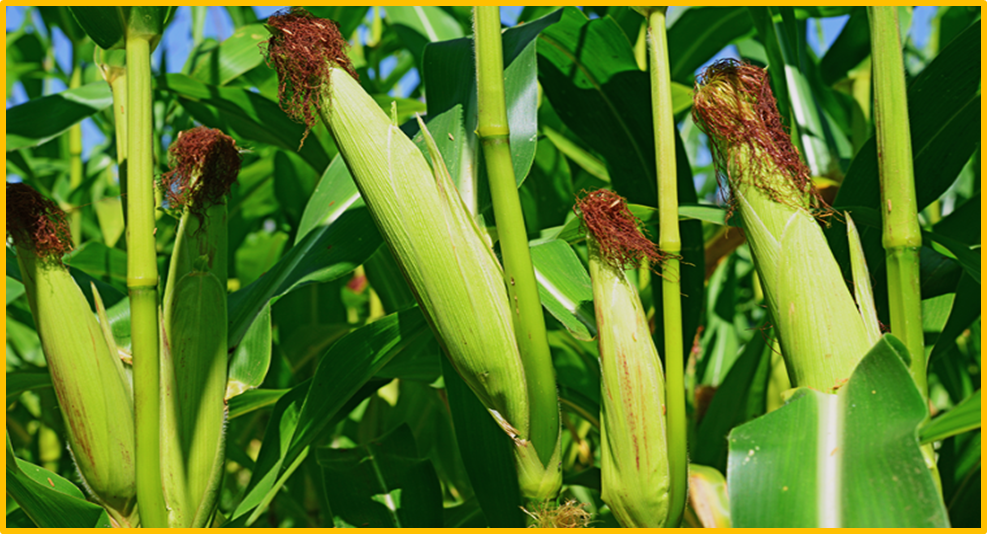
Wednesday, 26/11/2025 | 07:50:38
Maize event DP-Ø51291–2 expresses the protein, IPD072Aa, which is derived from Pseudomonas chlororaphis, encoded by the ipd072Aa gene, to provide corn rootworm control. An environmental risk assessment was conducted for DP-Ø51291–2 maize which characterized potential exposure and hazard of the IPD072Aa protein to non-target organisms (NTOs). To estimate potential exposure to the IPD072Aa protein, worst-case estimated environmental concentrations (EECs) and refined EECs, where applicable, were calculated.
International Research Team Releases Pangenome and Panphenome of Eggplant
Wednesday, 26/11/2025 | 07:49:05
An international research team has published the most comprehensive genetic map ever assembled for the eggplant, a discovery poised to revolutionize breeding efforts for the popular vegetable. The collaboration, which includes researchers from INRAE, successfully compiled the pangenome (the complete set of all genes) and panphenome (the entire collection of agronomic traits) for the eggplant species.
COP30: FAO brings agrifood systems to the forefront of climate action
Wednesday, 26/11/2025 | 07:48:11
Sustainable and resilient agrifood systems are essential for achieving the Paris Agreement targets on climate change while ensuring food security and nutrition for present and future generations.
This was the overarching message delivered by the Food and Agriculture Organization of the United Nations (FAO) to the 2025 United Nations Climate Change Conference (COP30) in Belém, Brazil.
During the 10-21 November conference, FAO emphasized that science-based agrifood solutions can play a pivotal role in reducing emissions, enhancing carbon sequestration, restoring ecosystems, and strengthening resilience.
Biomolecular condensation of ERC1 recruits ATG8 and NBR1 to drive autophagosome formation for plant heat tolerance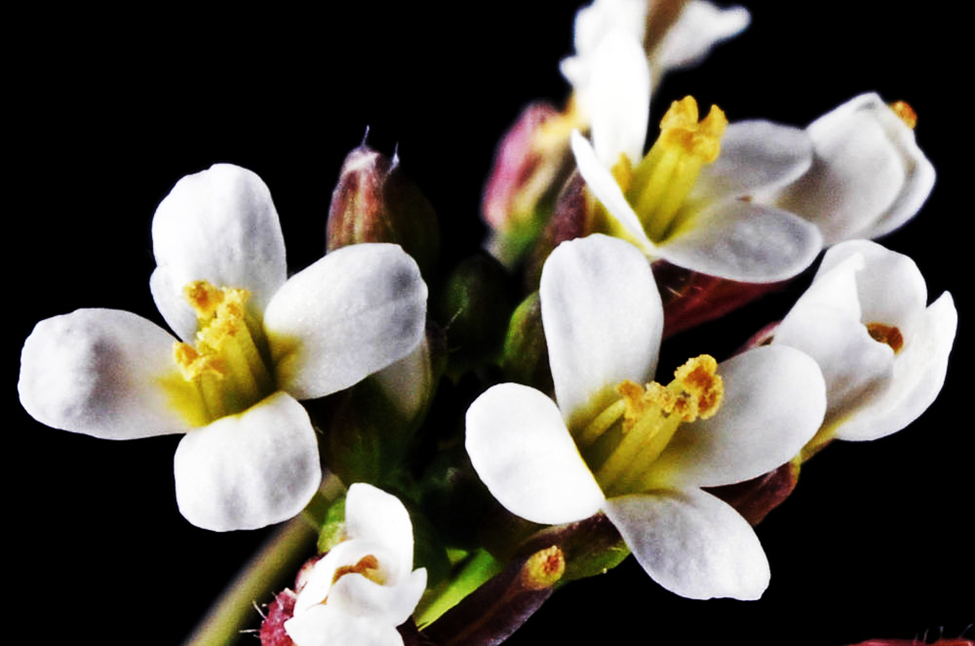
Tuesday, 25/11/2025 | 07:42:19
Macroautophagy (hereafter autophagy) is essential for cells to respond to nutrient deficiency by delivering cytosolic contents to vacuoles for degradation via the formation of a multilayer organelle named an autophagosome. A set of autophagy-related (ATG) regulators are recruited to the phagophore assembly site for phagophore initiation, including its expansion and closure, and subsequent delivery into the vacuole. However, it remains elusive how the phagophore assembly is regulated under different stress conditions. Here, we described an uncharacterized Arabidopsis (Arabidopsis thaliana) ERC (ELKS/Rab6-interacting/CAST)
Ecuador Turns to Gene Editing to Combat Devastating Banana Fungus
Tuesday, 25/11/2025 | 07:40:46
Ecuadorian scientists are pioneering a biotechnological solution to fight Fusarium wilt, one of the world's most destructive plant diseases that poses a persistent threat to the global banana industry. As the world's largest banana exporter, Ecuador is directly in the path of the aggressive Tropical Race 4 (Foc TR4) variant of the fungus, which colonizes banana roots, cuts off the supply of water and nutrients, and eventually kills the plant. Because Foc TR4 can persist in soil for decades, traditional methods like fungicides and quarantine have proven ineffective.
CGIAR supports innovative new Brazil-led accelerator RAIZ
Tuesday, 25/11/2025 | 07:40:02
Launched at UNFCCC COP30 in Belém, the RAIZ accelerator will unite governments and investors behind a shared goal: restoring the world’s farmland to strengthen food security, tackle climate breakdown, and protect biodiversity. CGIAR supports RAIZ as a technical partner.
RAIZ addresses one of today’s most urgent challenges. With over 1 billion hectares of agricultural land already degraded, food security, biodiversity, and climate stability for more than 3 billion people are under threat. The RAIZ accelerator will unite governments and investors behind a shared goal: restoring the world’s farmland to strengthen food security, tackle climate breakdown, and protect biodiversity.
Genetic mapping of novel QTL for seed protein stability in food-grade soybean (Glycine max)
Monday, 24/11/2025 | 08:15:37
Soybean seed protein content is a complex physiological trait under polygenic control and significant genotype by environment interaction. Protein content is largely influenced by ambient atmospheric temperature at pod-filling, with increased temperatures enhancing seed protein accumulation. The identification of genomic regions associated with protein content stability will facilitate an increased understanding of seed development physiology and assist in the development of more broadly adapted food-grade soybean cultivars.
Gene Editing Makes Crops 'Indigestible' to Pests
Monday, 24/11/2025 | 08:14:25
An international research review highlights the potential of gene editing to naturally protect major agricultural crops such as corn, beans, and peas, by enhancing their inherent defenses against starch-consuming insects. The study focuses on alpha-amylase inhibitor proteins (AIPs), which are naturally present in the seeds of wild plants. These proteins work by making the starch in the seeds indigestible to common pests, such as weevils, beetles, and woodworms, hindering their growth and reproduction in fields and storage.
Gene-Edited Cotton Offers Resistance Against Reniform Nematode
Monday, 24/11/2025 | 08:13:19
A new study shows that gene-edited upland cotton (Gossypium hirsutum L.) significantly improved its resistance to the reniform nematode. The researchers from Clemson University, A&L Scientific Editing Inc., and Cotton Incorporated targeted the MLO3 gene using CRISPR-Cas9 to determine its role in protecting cotton from one of the crop's most damaging pests.
Four independent knockout lines (A1, D3, E1, and P3) were generated and tested in greenhouse trials to evaluate their ability to limit nematode reproduction compared with conventional varieties.
A receptor antagonist counterbalances multiple systemin phytocytokines in tomato
Friday, 21/11/2025 | 14:16:49
Tight regulation of immune activation is crucial for plant health. How plants control the actions of their immunostimulatory phytocytokines is largely unknown. Here, we identify antiSYS as a natural inhibitor of the tomato cytokine systemin. AntiSYS is a systemin-like peptide encoded in a gene cluster with four additional paralogs, three of which comprise newly identified agonistic systemins. AntiSYS is a potent and specific antagonist of the systemin receptor.
Study Finds Narrower Rice Leaves Boost Photosynthesis Efficiency
Friday, 21/11/2025 | 14:15:35
A new study has found that reducing the width of rice leaves can significantly enhance photosynthesis, potentially leading to higher yields. Published in The Plant Journal, the researchers aimed to uncover key leaf traits that contribute to crop productivity and investigated how leaf width affects photosynthetic performance and water-use efficiency.
The study examined 14 rice genotypes with varying leaf widths and genetically modified rice lines carrying the NARROW LEAF 1 (NAL1) gene.
Saving Every Bite: How Biotech Crops Are Fighting Global Food Waste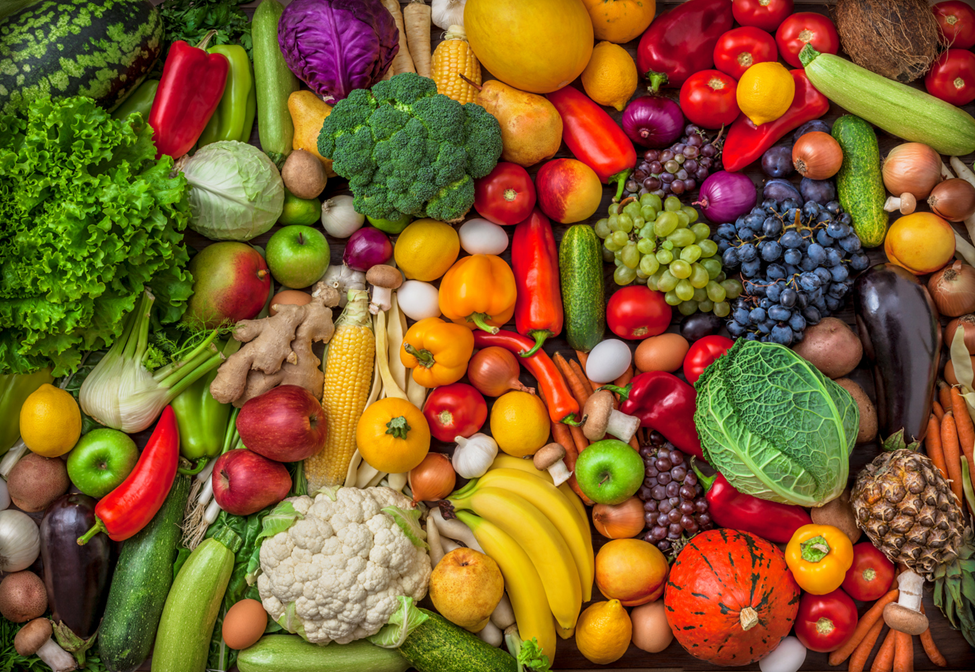
Friday, 21/11/2025 | 14:14:26
A stark and heart-wrenching paradox haunts our modern world: while nearly one-tenth of humanity goes to bed hungry, a tidal wave of nourishing food is wasted. Tons of perfectly edible food are lost from the field to the fridge daily. It represents not just wasted grain, spoiled fruit, or discarded leftovers, but squandered labor, precious water, and the energy of countless human hands. Think of the farmer whose harvest rots from disease, or the mother who must choose between bills and a meal, and the sheer volume of resources in landfills,