


News & Events
News & Events
Map-based cloning identifies a missense SNP in CsTRX z, encoding a z-type thioredoxin homolog, as the genetic determinant of Dominant Virescent Leaf in cucumber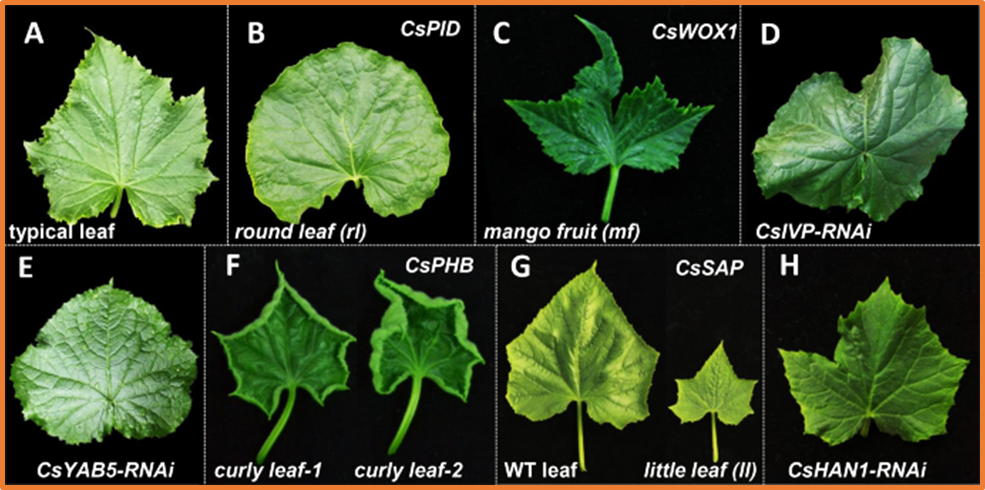
Tuesday, 18/11/2025 | 07:51:55
Thioredoxins (TRXs), pivotal redox regulators modulating protein function, are essential for plant stress adaptation, development, and growth. While extensively characterized in model species (e.g., Arabidopsis, rice), their roles in vegetable crops remain underexplored. Here, we report a missense SNP (G → A) in the z-type thioredoxin CsTRX z (CsDVL), identified via ethyl methanesulfonate (EMS) mutagenesis, as the causal variant underlying the Dominant Virescent Leaf phenotype in cucumber (Cucumis sativus). The mutant PSM004 exhibits transient yellow-green cotyledons at seedling emergence, reverting to wild-type pigmentation during later growth stages
EFSA GMO Panel Releases Scientific Assessment of GM Oilseed Rape LBFLFK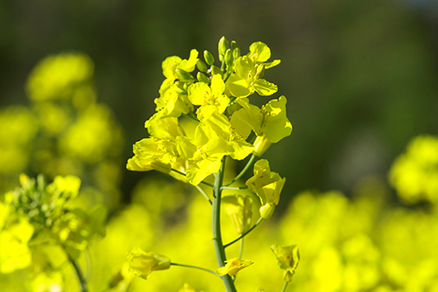
Tuesday, 18/11/2025 | 07:51:58
The European Food Safety Authority (EFSA) GMO Panel has released its Scientific Opinion on the safety of genetically modified (GM) herbicide tolerant oilseed rape (Brassica napus AACC) LBFLFK according to Regulation (EU) No 503/2013, for import, processing, and food and feed uses, within the EU.
According to the Scientific Opinion, none of the identified differences in the agronomic/phenotypic and compositional characteristics between oilseed rape LBFLFK and the non-GM comparator needed further assessment, except for germination of harvested seeds, which underwent additional evaluation and was found not to raise environmental concerns.
Over USD 142 million pledged at COP30 to advance CGIAR’s mission of a food-secure future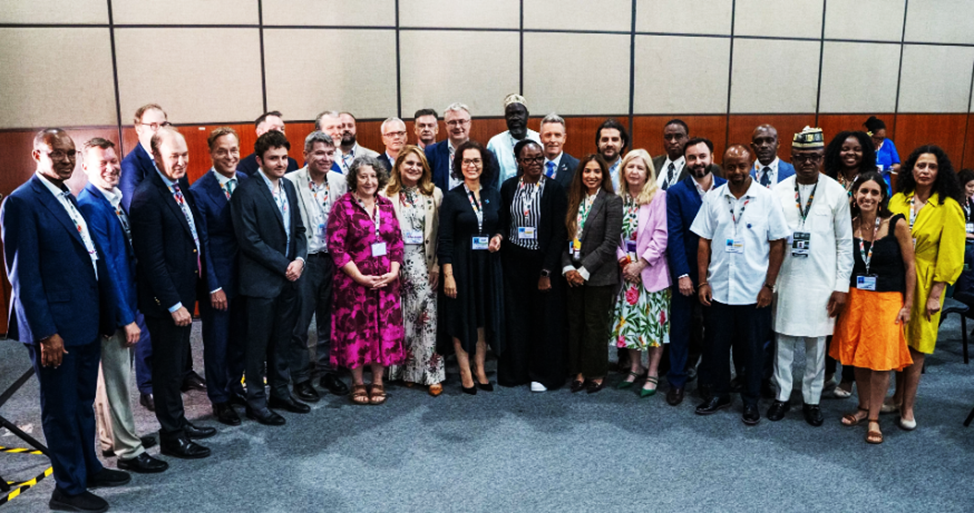
Tuesday, 18/11/2025 | 07:52:02
CGIAR is thrilled to receive over USD 142 million in pledges from its generous funders, aimed at advancing agricultural research and innovation for a climate-resilient future.
During the Agricultural Innovation Showcase at COP30, hosted by Embrapa and the Gates Foundation on November 10th, the United Kingdom (GBP 76 million), Denmark (USD 18.5 million), and Belgium (EUR 16 million) strengthened their commitment to CGIAR’s mission of uniting research, policy, and finance innovations, to help close the adaptation finance gap and drive science solutions to ongoing global agricultural challenges.
COP30: FAO’s AIM4Forests secures long-term financial support from the United Kingdom
Monday, 17/11/2025 | 12:15:45
The UK Government today announced long-term funding of GBP 16.9 million for the Accelerating Innovative Monitoring for Forests (AIM4Forests) programme of the Food and Agriculture Organization of the United Nations (FAO).
AIM4Forests is a flagship partnership between FAO and the United Kingdom that supports countries in strengthening forest monitoring and reporting based on modern technologies, data transparency and technical innovation.
The announcement came at an event convened by the United Nations Framework Convention on Climate Change (UNFCCC) Climate High-Level Champions at the 2025 United Nations Climate Change Conference (COP30), and brings the United Kingdom’s total contribution to GBP 48.4 million.
A synthetic transcription cascade enables direct in planta shoot regeneration for transgenesis and gene editing in multiple plants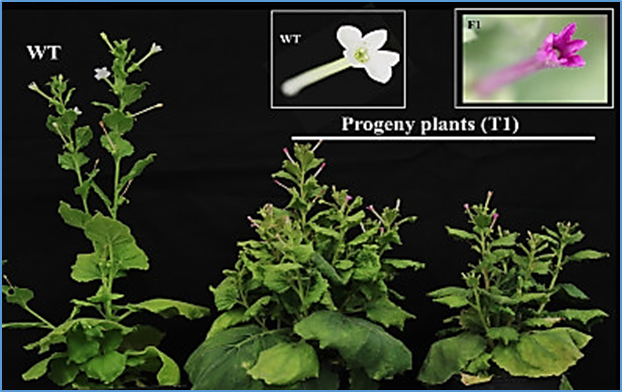
Friday, 14/11/2025 | 14:02:02
Developing transgenic and/or gene-edited plants largely depends on tedious, lengthy, and costly in vitro regeneration protocols. While plants have remarkable regeneration ability, not all species, genotypes, or even explants exhibit the same transformation and regeneration potential under in vitro conditions. To tackle this bottleneck, we have developed a seamless and user-friendly system to induce transgenic and gene-edited de novo meristems via a synthetic cascade comprising a wound-induced regeneration pathway,
EFSA GMO Panel Releases Scientific Assessment of GM Oilseed Rape LBFLFK
Friday, 14/11/2025 | 13:59:56
The European Food Safety Authority (EFSA) GMO Panel has released its Scientific Opinion on the safety of genetically modified (GM) herbicide tolerant oilseed rape (Brassica napus AACC) LBFLFK according to Regulation (EU) No 503/2013, for import, processing, and food and feed uses, within the EU.
According to the Scientific Opinion, none of the identified differences in the agronomic/phenotypic and compositional characteristics between oilseed rape LBFLFK and the non-GM comparator needed further assessment
Eight innovation teams win CGIAR’s 2025 Scaling Fund support
Friday, 14/11/2025 | 13:58:44
‘Scaling’ an innovation refers to increasing its readiness and use, which in turn increases the benefits the innovation generates. Scaling is needed now more than ever if we are to effect the unprecedented changes needed to transform the global food systems now under increasing multiple threats—e.g., from climate change, gender inequality, unsustainable practices, and growing poverty levels among the smallholder farmers who continue to feed most of the world’s population.
Next-generation molecular breeding tools to harness higher genetic gains in sugarcane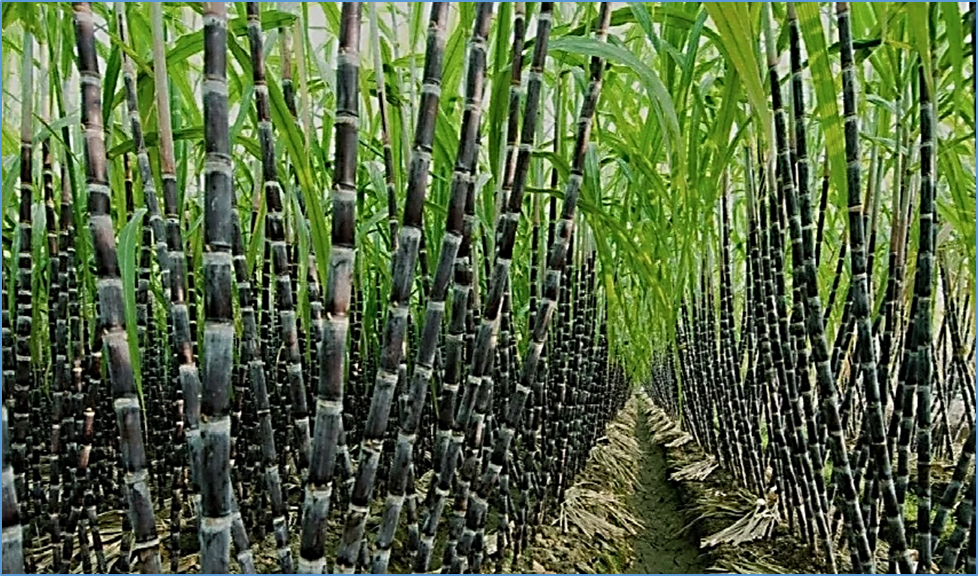
Friday, 14/11/2025 | 13:57:38
Enhancing genetic gain is essential for sustainable sugar and bioenergy production, especially amid growing global reliance on renewable energy sources. Sugarcane and its byproducts serve as important feedstocks for both first and second-generation biofuels, and face several breeding challenges due to its genetic complexity, extended breeding cycles, and strong environmental interactions. The breeder’s equation offers a quantitative framework to accelerate genetic improvement by optimizing four key components: additive genetic variation (σa), heritability (h2),
Scientists Speed Up Growth of Transgenic Plants from Months to Weeks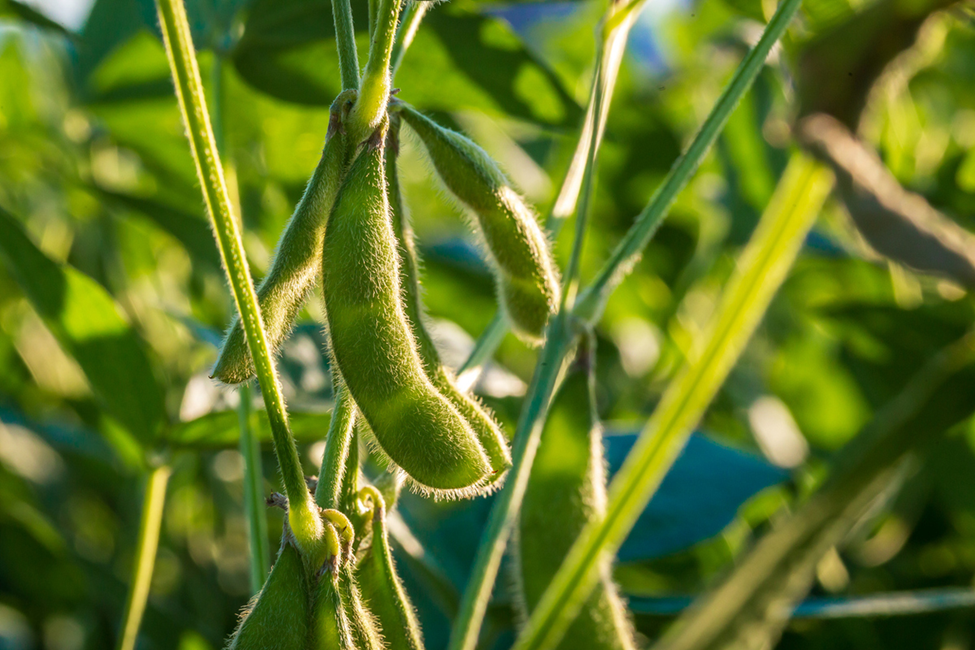
Friday, 14/11/2025 | 13:56:30
Experts from Texas Tech University, the University of Minnesota, and the National Polytechnic Institute (Instituto Politécnico Nacional) have developed a new method to grow engineered plants in weeks instead of months by enhancing the plant's natural ability to regenerate after being wounded or clipped. Using this approach, the researchers successfully created transgenic plants by combining genetic engineering with the plant's own healing process.
Gene Drive Technologies: Advances in Health, Conservation, and Governance
Friday, 14/11/2025 | 13:55:31
Gene drive technology is rapidly advancing, offering powerful new tools with the potential to tackle some of the world's most pressing challenges in public health and environmental conservation. Thus, this webinar will cover core concepts on gene drive while providing timely updates on real-world progress, emerging policy discussions, and the evolving societal considerations shaping the gene drive landscape. Dr. Rhodora Romero-Aldemita, Executive Director of ISAAA, Inc., will moderate the discussions.
Low-call-rate SNPs and presence–absence variation identified in the rice pan-genome can improve genomic prediction of rice gene bank accessions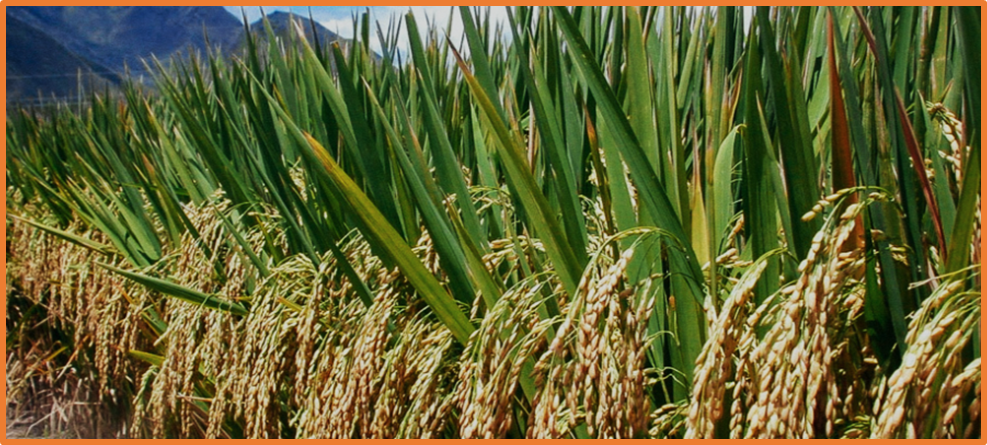
Friday, 14/11/2025 | 07:33:27
Introduction of useful genetic variation to breeding populations is a key factor in achieving genetic gain in crop breeding. However, identifying donors from genetic diversity stored in gene banks requires extensive phenotyping, which is not feasible for many traits of interest. Genomic prediction (GP) of phenotypic values has been proposed to overcome this phenotyping bottleneck. A key challenge for GP is the identification of appropriate markers representative of genetic variation causal for phenotypes.
Researchers Use CRISPR to Identify Tobacco Gene Regulating Leaf Senescence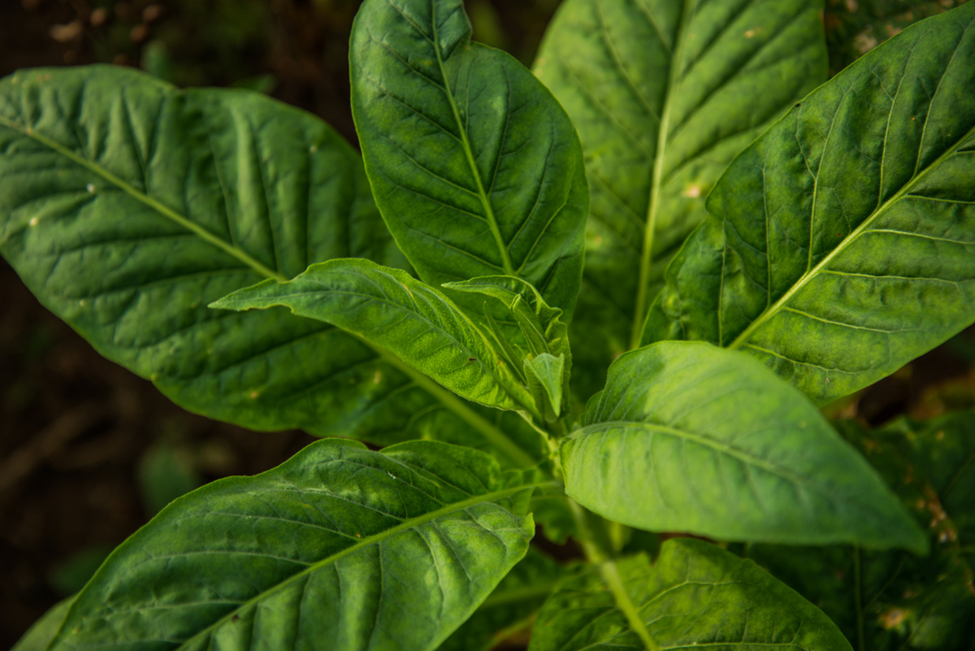
Friday, 14/11/2025 | 07:33:23
Experts from Chongqing University of Posts and Telecommunications, Chinese Academy of Agricultural Sciences, and China Tobacco Guangxi Industry Co. Ltd. discovered that a gene called NtBAG5 plays a crucial role in promoting leaf senescence (leaf aging) in tobacco plants. Using CRISPR-Cas9 gene-editing technology, the team found that disabling this gene delayed leaf yellowing and improved antioxidant activity.