


News & Events

David R. Liu and his colleagues at Harvard University have developed prime editing, a new genome editing approach, which uses engineered Cas9 nickase (H840A)-reverse transcriptase (RT) fusion proteins paired with a prime editing guide RNA (pegRNA). Prof. Gao Caixia and his team at the Institute of Genetics and Developmental Biology of the Chinese Academy of Sciences reported the optimization of a prime editing system (PPE system) for creating desired point mutations, insertions, and deletions in two major cereal crops, rice, and wheat.
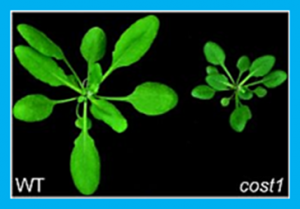
Plants balance their competing requirements for growth and stress tolerance via a sophisticated regulatory circuitry that controls responses to the external environments. We have identified a plant-specific gene, COST1 (constitutively stressed 1), that is required for normal plant growth but negatively regulates drought resistance by influencing the autophagy pathway.

The biotech method of gene stacking has brought us many notable products such as Golden Rice, Blue Rose, and SmartStax™. What is gene stacking and why is there a ‘stack boom' in the biotech crop market? What does the future hold for biotech stacks? Gene stacking refers to the process of combining two or more genes of interest into a single plant.

Researchers at the University of Connecticut's Department of Biomedical Engineering are working to develop a new, low-cost, CRISPR-based diagnostic platform to detect infectious diseases, including the novel coronavirus (SARS-CoV-2). Associate Professor Changchun Liu developed the "All-In-One-Dual CRISPR-Cas12a" (AIOD-CRISPR) method to enable simple, rapid, ultrasensitive, visual detection of SARS-CoV-2 and HIV viruses, intended for use at home or in small clinics.
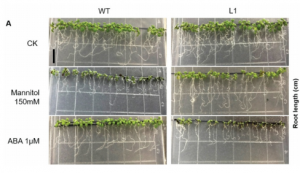
Drought is a serious problem, which causes heavy yield losses for rice. Heat-shock factors (HSFs) had been implicated in tolerance to drought and high temperature. However, there has not been much functional characterization and mechanism clarification in rice. Previously, we found an HSF gene, OsHSFA3, was highly related with drought tolerance after screening from 10,000 different samples. Herein, we cloned the OsHSFA3 from rice and overexpressed it in Arabidopsis thaliana to study its regulatory mechanism of drought tolerance.
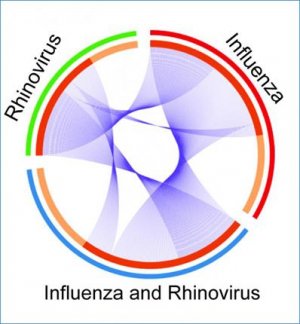
It was very interesting to learn about Kloepfer et al.’s study investigating the link between asthma and influenza A H1N1 infection incidence and severity (1). Their finding that influenza A virus (IAV) infections reduced the subsequent risk of infection with human rhinoviruses (HRVs) was contrary to theories at the time of a reverse directionality (2, 3). However, as Kloepfer and Gern (4) state in their Letter, it is certainly consistent with our recent large-scale study on respiratory virus–virus interactions.

We read the article “Virus–virus interactions impact the population dynamics of influenza and the common cold” by Nickbakhsh et al. (1) with great interest. The authors analyzed a large Scottish dataset consisting of virology results from patients with acute respiratory illnesses and used mathematical models to identify a negative interaction between influenza and rhinovirus (RV) infection. Furthermore, they performed epidemiologic simulations demonstrating that influenza-mediated induction of a refractory period could account for the significant reduction in RV illness prevalence.
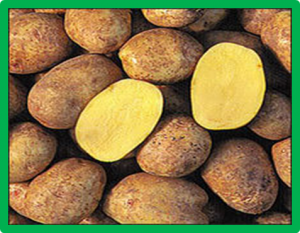
The practice of clonally propagating potato (Solanum tuberosum L.), which has been lasted for thousands of years, has caused the accumulation of deleterious alleles. Despite yellow margin (ym) being a common cause of a detrimental weak-vigor phenotype and reduced yield in diploid potato, the underlying gene has eluded discovery to date. In this paper, we mapped the ym gene to a 30-kb region containing four annotated genes.
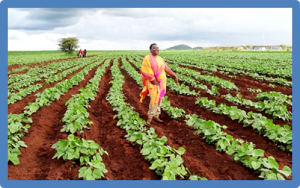
Farmers in Eastern Kenya are seeing an increase in yield from their crops and earning better incomes than before. Over 144,000 farming households have been provided with 1,000 tons of improved high-quality seeds of drought-tolerant cereals and legumes, resulting in over 60,000 ha of land being covered byimproved seeds in Eastern Kenya. More than 144,000 farmers have been trained in good agricultural practices for higher productivity,
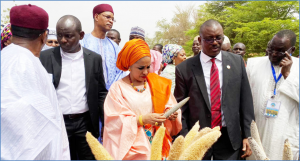
Niger recently celebrated the second annual International Millet Festival (FESTIMIL), aimed at enhancing the production, processing and consumption of millets, so as to create wellbeing and better dietary diversity. The festival is led by the First Lady, Dr Lalla Malika Issofou, a Smart Food Ambassador, and offered a framework for discussions around strengthening value chains of millets in Niger
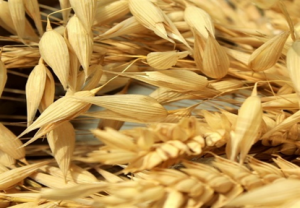
The aim of this study was the identification of molecular markers for the Pc39 gene in cultivated oat (Avena sativa L.). Pc39 is a major race-specific crown rust resistance gene originally found in an Israeli accession of the wild hexaploid Avena sterilis. The effectiveness of this gene in Europe has decreased in recent years, but is still relatively high and breeding programs would benefit from the availability of molecular markers to aid in its mapping and deployment.
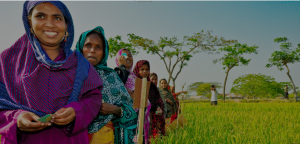
The CGIAR Research Program on Rice (RICE) is a forward-looking, holistic, global partnership that focuses on the win-win proposition of the social, economic, and environmental sustainability aspects of rice.
RICE is a collaborative partnership that cuts across all components of the rice sector and aims to deliver impact for a sustainable future.