


News & Events
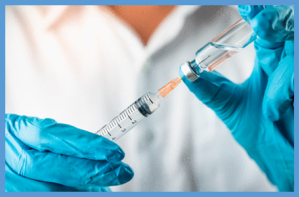
The teams of researchers scrambling to develop a coronavirus disease 2019 (COVID-19) vaccine clearly face some big challenges, both scientific and logistical. One of the most pressing: understanding how the immune system interacts not only with the pathogen but with the vaccine itself—crucial insights when attempting to develop a safe and effective vaccine.
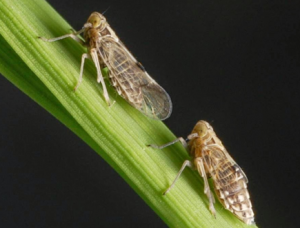
The brown plant hopper (BPH), Nilaparvata lugens, is one of the major pest of rice (Oryza sativa). Plant defenses against insect herbivores have been extensively studied, but our understanding of insect responses to host plants' resistance mechanisms is still limited. The purpose of this study is to characterize transcripts of BPH and reveal the responses of BPH insects to resistant rice at transcription level by using the advanced molecular techniques, the next-generation sequencing (NGS) and the single-molecule, real-time (SMRT) sequencing.
While the world’s attention is focused on controlling COVID-19, evidence points at the biodiversity crisis as a leading factor in its emergence. At first glance, the two issues might seem unrelated, but disease outbreaks and degraded ecosystems are deeply connected. Frédéric Baudron, systems agronomist at the International Maize and Wheat Improvement Center (CIMMYT) and Florian Liégeois, virologist at the Institut de Recherche pour le Développement (IRD) share their insights on the current COVID-19 crisis and the link between biodiversity loss and emerging infectious diseases.
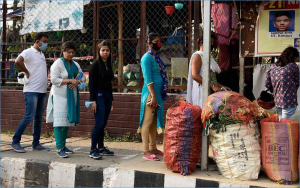
Based on model predictions, early empirical evidence, and lessons from previous crises, the answer to the “will COVID-19 lead to a food crisis” question is probably: Yes and no. There is no single, global answer; the risk of food crisis depends on the level of economic development. So if you are rich the answer may well be no, but if you are poor, the answer is more likely to be yes.

Salt content in processed foods is high, and it is usually used as preservatives, stabilizers, and color enhancers in the products. Increased consumption of processed foods in the modern world has contributed to a high salt intake and thus increased the prevalence of hypertension among Malaysian populations. Therefore, this study aimed to identify and compare salt content in processed food products available in supermarkets and determine the percentage of processed food products exceeding the reference value stated in International Product Criteria (2016).
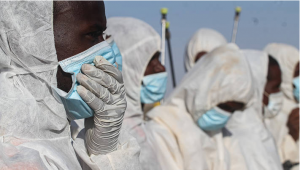
Even before COVID-19 hit, 113 million people on the planet were already struggling with severe acute food insecurity due to pre-existing shocks or crises. This means they were already on the extreme end of the hunger spectrum-weak, and less well-equipped to fend off the virus.The vast majority live in rural areas, and depend on agricultural production, seasonal jobs in agriculture, fishing, or pastoralism.
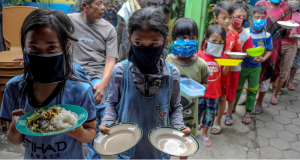
Even as it takes its distressing toll, the current pandemic has generated a flurry of less sombre memes. Some of these involve people stuck at home, unable to tear themselves from the pantry, piling on the pounds. But for many in the developing world, the lockdowns mean the exact opposite: they cannot get anywhere near the pantry.
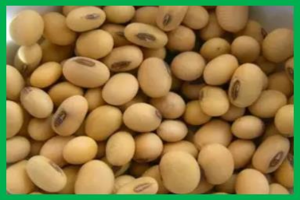
Soybean is an important crop because the processed seed is utilized as a vegetable oil and a high protein meal typically used in livestock feeds. Raffinose and stachyose, the raffinose family of oligosaccharides (RFO) carbohydrate components of the seed, are synthesized in developing soybean seeds from sucrose and galactinol. Sucrose is considered positive for metabolizable energy,
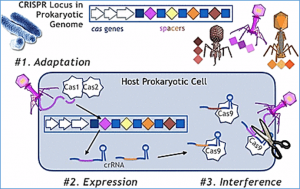
In 2007, researchers at Danisco interested in fortifying the lactic acid bacteria used to produce dairy products such as milk and cheese against attack by phage showed that CRISPR provided resistance (1). These phage infections were common in industrial dairy fermentation, and it was hugely significant that insertion of multiple spacers in the bacterial CRISPR system was shown to protect against them
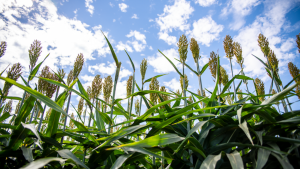
Berkeley Laboratory scientists designed simulations to determine how much biofuel is needed for the whole bioproduct extraction process to be labeled as cost-efficient. Their results showed that the target levels are actually modest and within reach. The development of biofuels over the past years is part of the strategy to decrease the demand for petroleum-based gasoline, diesel, and jet fuels.
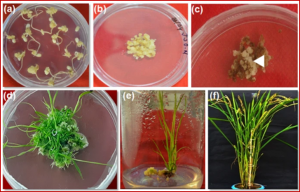
Rice blast resistance gene, Pi54 provides broad-spectrum resistance against different strains of Magnaporthe oryzae. Understanding the cellular localization of Pi54 protein is an essential step towards deciphering its place of interaction with the cognate Avr-gene. In this study, we investigated the sub-cellular localization of Pi54 with Green Fluorescent Protein (GFP) as a molecular tag through transient and stable expression in onion epidermal cells (Allium cepa) and susceptible japonica cultivar rice Taipei 309 (TP309), respectively.
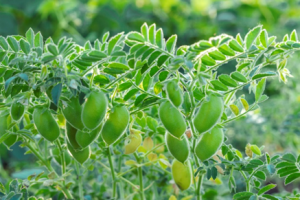
A new genetically engineered chickpea with high drought tolerance and high iron and zinc content in seeds developed by a team of experts from the Department of Biotechnology's New Delhi-based National Institute of Plant Genome Research, University of Hyderabad and Indian Institute of Pulses Research. Chickpea is a major source of protein in India. It is planted predominantly in semi-arid areas during post-monsoon season.