


News & Events
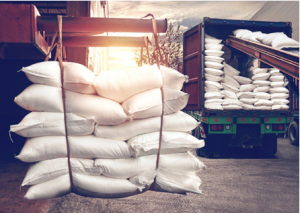
The FAO, IFAD, the World Bank, and WFP say that agriculture and its food-related logistic services should be considered as essential and that increased efforts are needed to ensure that food value chains function well and promote the production and availability of diversified, safe and nutritious food for all. The Joint Statement urges countries to work together to strengthen cooperation during this pandemic that is affecting all regions of the world.
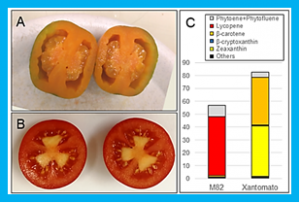
The oxygenated carotenoid zeaxanthin provides numerous benefits to human health due to its antioxidant properties. Especially it is linked to protecting, together with the xanthophyll lutein, the retina in the human eye by filtering harmful blue light thus delaying the progression of age‐related macular degeneration (AMD), the most prevalent cause of blindness in developed countries. Despite its high nutritional value, zeaxanthin is less available than other substantial carotenoids in our diet.
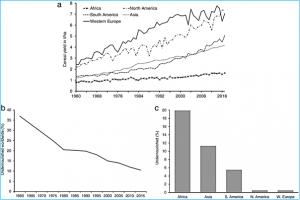
Agricultural economist Dr. Matin Qaim of the University of Göttingen in Germany recommends that regulatory reforms and a more science-based public debate towards new plant breeding technologies are necessary to maximize the potential of this new science that can greatly contribute to sustainable agricultural development and food security, especially in developing countries.
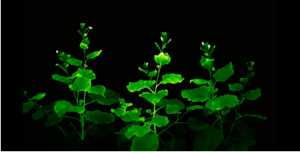
Nature Biotechnology reports genetically engineered tobacco plants that glow brightly during its entire lifetime. The findings of the study conducted by researchers from Planta and the Russian Academy of Sciences could be used in the development of imaging tools for plants. Compared to previously reported glowing plants, these plants shine 10 times brighter, visible to the naked eye, without the need to be fed with chemicals to continue glowing.
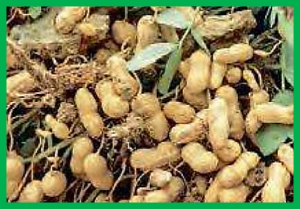
Cultivated groundnut or peanut (Arachis hypogaea), an allopolyploid oilseed crop with a large and complex genome, is one of the most nutritious food. This crop is grown in more than 100 countries, and the low productivity has remained the biggest challenge in the semiarid tropics. Recently, the groundnut research community has witnessed fast progress and achieved several key milestones in genomics research including genome sequence assemblies of wild diploid progenitors
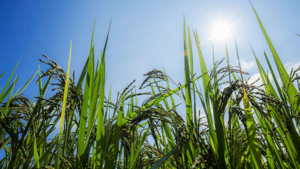
As plants are exposed to light, the protein complex photosystem II (PSII) energizes electrons to help power photosynthesis. But heat or intense light can damage a key subunit, known as D1, and stop PSII's work until the plant makes and inserts a new D1 into the complex. Chloroplasts have their own DNA, including a gene for D1, and most biologists assumed the protein had to be made there.
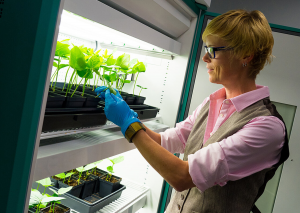
Nanoengineers at the University of California San Diego (UC San Diego) are working on an unusual candidate for COVID-19 vaccine: a plant virus. Led by UC San Diego nanoengineering professors Nicole Steinmetz and Jon Pokorski, the team's goal is to use plants to create a stable, easy to manufacture vaccine that can be shipped around the globe.
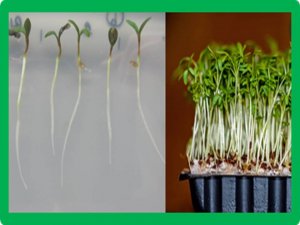
Salt stress is one of the most serious environmental stressors that affect productivity of salt-sensitive crops. Medicago ciliaris is an annual legume whose adaptation to agroclimatic conditions has not been well described. This study focused on the salinity tolerance of M. ciliaris genotypes compared to M. intertexta and M. scutellata in terms of plant growth, physiology, and biochemistry. Salt tolerance was determined at both germination and early seedling growth. Germination and hydroponic assays were used with exposing seeds to 0, 50, 100, 150, and 200 mM NaCl.
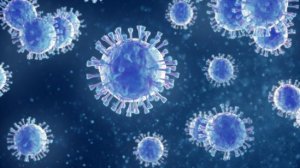
Since the start of the COVID-19 pandemic, WHO has seen a dramatic increase in the number of cyber attacks directed at its staff, and email scams targeting the public at large. This week, some 450 active WHO email addresses and passwords were leaked online along with thousands belonging to others working on the novel coronavirus response. The leaked credentials did not put WHO systems at risk because the data was not recent. However, the attack did impact an older extranet system, used by current and retired staff as well as partners.
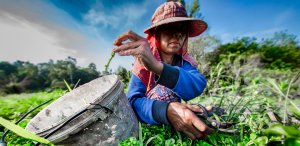
With the COVID-19 pandemic and economic slowdown threatening the lives and livelihoods of the world’s most vulnerable people, the UN’s International Fund for Agricultural Development (IFAD) today committed US$40 million, and launched an urgent appeal for additional funds, to support farmers and rural communities to continue growing and selling food. IFAD’s new multi-donor fund, the COVID-19 Rural Poor Stimulus Facility, will mitigate the effects of the pandemic on food production, market access and rural employment.
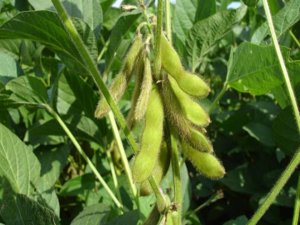
In this study, we investigated changes in the isoflavone content, total phenolic content (TPC), total flavonoid content (TFC), antioxidant activities (DPPH, ABTS), and anti-inflammatory activities of small-seeded and large-seeded soybean cultivars during germination (light/dark conditions). Total isoflavone content was higher at the seed stage in large-seeded soybeans, while it increased after 7 days of germination in small-seeded soybeans, particularly in response to light conditions, under which they had high TPC, TFC, and antioxidant activities.
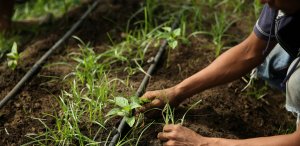
With half of the planet’s population locked down, the global economy brought to a halt and the number of cases reaching into the millions, it is clear that the COVID-19 pandemic is the biggest crisis of our time. As in many other places in the world, prospects in the Latin America and the Caribbean region (LAC) seem grim. With 98,202 cases and 4,505 deaths confirmed in the region as of 20 April, the IMF foresees a regional GDP drop of 5.2 per cent.