


News & Events

In 2006, the New York City-based Vilcek Foundation created an annual prize program for foreign-born biomedical scientists who have made major contributions to their fields while living and working in the United States. The founders, themselves immigrants from Czechoslovakia, established the program to raise public awareness of the indispensable role of immigrant scientists in ensuring the United States’ leadership on the world science stage.
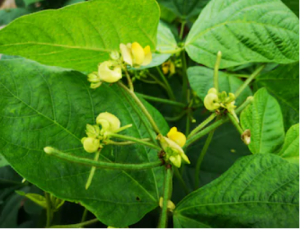
Malnutrition is among the biggest threats being faced globally, and Pakistan is among the countries having high malnutrition rate. Pulses grown in Pakistan have lower amounts of micronutrients, especially iron (Fe) in grains compared to developed world. Biofortification, -a process of integrating nutrients into food crops-, provides a sustainable and economic way of increasing minerals/micronutrients' concentration in staple crops. Mungbean fulfills protein needs of large portion of Pakistani population; however, low Fe concentration in grains do not provide sufficient Fe.

On January 15, 1915, the first issue of PNAS, the official “organ of publication” of the National Academy of Sciences, appeared in print. It was, in some ways, a less than propitious time to launch a journal—just a little more than seven months after the start of what ultimately became World War I. The hostilities that began in Europe led to disruptions in the scientific enterprise around the world, including science publishing—submissions to journals declined, subscriptions were canceled, and, in some cases, undisguised anti-German sentiments were expressed in editorials.
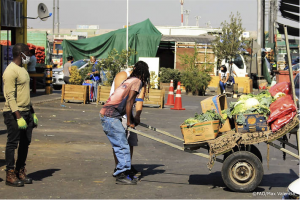
Beyond the COVID-19 health emergency, a recession looms, and countries ought to take measures now to soften the longer-term impacts on hunger and food insecurity, a new FAO policy brief says. Forecasts for the global economy vary in details, but all point to a historic downturn. The International Monetary Fund now expects worldwide gross domestic product to shrink by 3.0 percent in 2020, compared to January projections of 3.3 percent growth. The large downturn is also expected to usher in the first outright recession in sub-Saharan Africa - where about a quarter of the population is undernourished - in 25 years.
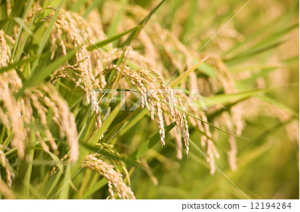
High-energy ion beams are known to be an effective and unique type of physical mutagen in plants. However, no study on the mutagenic effect of argon (Ar) ion beam radiation on rice has been reported. Genome-wide studies on induced mutations are important to comprehend their characteristics for establishing knowledge-based protocols for mutation induction and breeding, which are still very limited in rice.

Despite successful harvests this past season, two billion people did not have regular access to safe, nutritious, and sufficient food prior to the outbreak of the Coronavirus. Indeed, hunger has been on the rise globally for the past four years. Throughout its 74th session, the General Assembly prioritized hunger and poverty issues with a view to alleviating suffering, empowering farmers and food producers, and building resilient food systems.
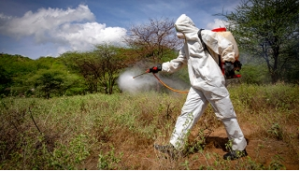
FAO Director-General QU Dongyu held virtual talks today with Jutta Urpilainen, European Commissioner for International Partnerships. Both parties agreed to step up joint efforts to support the fight against hunger in times of the COVID-19 pandemic and beyond, thereby accelerating progress towards achieving the Sustainable Development Goals (SDGs).
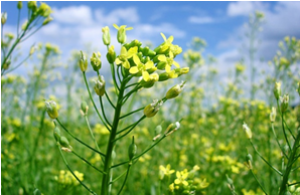
The transgene-directed accumulation of non-native omega-3 long chain polyunsaturated fatty acids in the seed oil of Camelina sativa (Camelina) was evaluated in the field, in distinct geographical and regulatory locations. A construct, DHA2015.1, containing an optimal combination of biosynthetic genes, was selected for experimental field release in the UK, USA and Canada, and the accumulation of eicosapentaenoic acid and docosahexaenoic acid determined.
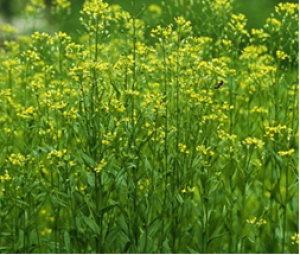
To confirm the regulatory status of the genome-edited C3007 trait in camelina, its developer, Yield10 Bioscience submitted an "Am I regulated?" letter to the Biotechnology Regulatory Services (BRS) of the USDA Animal and Plant Health Inspection Service. BRS responded positively, indicating that the plant lines do not meet the definition of a regulated article under 7 CFR Part 340.

A voluntary General Surveillance in Post-Market Environmental Monitoring in the European Union was conducted by Monsanto on their genetically modified (GM) maize MON810. The results of their statistical analysis on farmers' questionnaires and a broad scientific literature search revealed that there were no adverse effects associated with the cultivation of MON810 in the last 15 years.

Glyceollin isomers I, II, and III are the major pathogen-elicited secondary metabolites (i.e. phytoalexins) of soybean (Glycine max) that, collectively with other 5-deoxyisoflavonoids, provide race-specific resistance to Phytophthora sojae. The NAC-family transcription factor (TF) GmNAC42-1 is an essential regulator of some but not all glyceollin biosynthesis genes, indicating other essential TF(s) of the glyceollin gene regulatory network remain to be identified.

The Global Network Against Food Crises, an international alliance of humanitarian and development actors committed to tackling the root causes of food crises, has released The Global Report on Food Crises 2020. This year's Global Report reveals the scope of food crises as COVID-19 poses new risks to vulnerable countries. The data and analyses presented in the Global Report predate the COVID-19 pandemic but reveal an already dire picture of global acute food insecurity and malnutrition – even before the disease's spread began to impact food systems.