


News & Events

Genomic selection offers new opportunities to revisit hybrid breeding by replacing extensive phenotyping of hybrid combinations by genomic predictions. A key question remains to identify the best design to calibrate genomic prediction models. We proposed to use single-cross hybrids issued from an incomplete factorial design between segregating populations and compared this strategy with a conventional approach based on topcross evaluation.

Molecular biologists from Goethe University found a way to potentially produce cheaper tsetse fly traps using genetically modified (GM) brewer's yeast. This breakthrough may help manage sleeping sickness that devastates the cattle industry in rural parts of Africa.Tsetse flies are vectors of Trypanasoma, single-celled parasites that cause Trypanosomiasis or sleeping sickness which is characterized by inflammation of the lymph and nervous systems in humans and animals
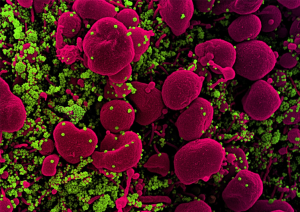
Using computational models of protein interactions, researchers at the Massachusetts Institute of Technology Media Lab and Center for Bits and Atoms have designed a peptide that binds to coronavirus proteins and shuttles them into a cellular pathway that breaks them down. The researchers say this peptide has potential as a treatment that would prevent the SARS-CoV-2 virus from reproducing itself within infected cells.

Diplocarpon rosae, the cause of rose black spot, is one of the most devastating foliar pathogens of cultivated roses (Rosa spp.). The primary method of disease control is fungicides, and they are viewed unfavorably by home gardeners due to potential environmental and health impacts. Planting rose cultivars with genetic resistance to black spot can reduce many of the fungicide applications needed in an integrated pest management system.
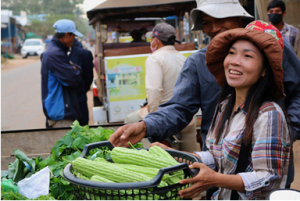
Small-scale farmers face multiple challenges in Cambodia. They often don’t have access to affordable credit to enhance production or to invest in on-farm equipment or infrastructure and they are increasingly vulnerable to climate change. Farmers also need enhanced skills and technologies to be able to access up-to-date information, extension services, credit and markets. Another area which needs improvement is the rural road network to ensure that smallholders have an affordable way to access markets and services despite weather conditions.
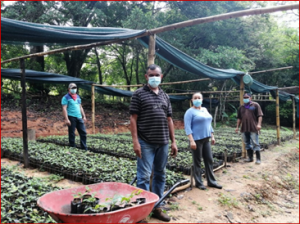
Hector Frias is a Panamanian farmer who heads an association of coffee producers in Los Santos Province, a region in the central part of the country. Unlike other regions in Panama famous for Geisha coffee , this part of the country is not known for coffee production. With water scarce and land degraded, many coffee plantations in Los Santos had been abandoned for decades when Hector and other producers decided to restart this activity with the help of Panama’s Ministry of Agricultural Development and FAO.
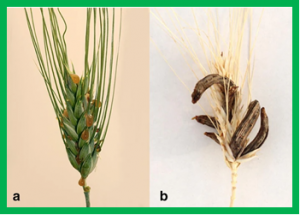
Claviceps purpurea is a pathogen of grasses that infects flowers, replacing the seed with an ergot sclerotium. Ergot presents a significant problem to rye, barley and wheat, in particular hybrid seed production systems. In addition, there is evidence that the highly toxic alkaloids that accumulate within sclerotia can cross-contaminate otherwise healthy grain. Host resistance to C. purpurea is rare, few resistance loci having been identified.

A dozen orchard growers in Nakhon Nayok’s Sarika district, have adopted the integrated pest management (IPM) method for planting pomelo in their 16-hectare land areas. Integrated Pest Management (IPM) is an effective and environmentally sensitive approach to pest management that relies on a combination of common-sense practices.

The FAO Director-General QU Dongyu today delivered closing remarks in the final session of the Joint Meeting of the UN agency’s Programme and Finance Committees. Over the last 10 days, Members of both committees discussed programmatic and budgetary matters as well as substantive thematic work subjects to FAO’s work, including further adjustments to the Programme of Work and Budget 2020-21, ahead of the 164th Session of FAO Council (6-10 July 2020).
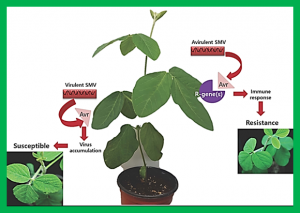
Soybean mosaic virus (SMV) occurs in all soybean-growing areas in the world and causes huge losses in soybean yields and seed quality. During early viral infection, molecular interactions between SMV effector proteins and the soybean resistance (R) protein, if present, determine the development of resistance/disease in soybean plants. Depending on the interacting strain and cultivar, R-protein in resistant soybean perceives a specific SMV effector,

This year, I was anticipating reporting to you about the positive year we’ve had at IRRI in 2019. However, as I sit down to write this, 2020 has delivered us a global pandemic that threatens to permanently alter the most fundamental aspects of our lives–not least of all for the rice-based farmers and consumers that we serve. Our partner governments are facing incredible challenges as a result of the COVID-19 pandemic.
In September 2015, the United Nations launched the 2030 Agenda for Sustainable Development, a beautiful blueprint for global peace and prosperity. In adopting the 2030 Agenda, countries demonstrated a remarkable determination to take bold and transformative steps to shift the world onto a more sustainable and resilient path. However, after 5 years of uneven progress and with less than 10 years to go,