


News & Events
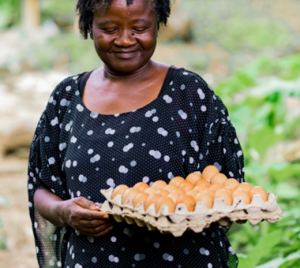
With a spring in her step, Jasinta starts the day by going to her farm in Bokwango, southwest Cameroon. Every morning she gets up, checks on her chickens, feeds them and fills their trough. A mother of four, Jasinta is a role model for many in her neighbourhood - admired for the chickens that she proudly raises and sells. Her new business is the product of an FAO initiative helping vulnerable people in the English-speaking regions of Cameroon, which are currently facing a socio-political crisis.
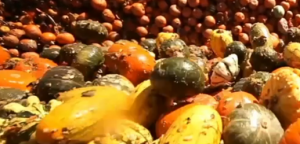
The Food Loss and Waste database is the largest online collection of data on both food loss and food waste and causes reported throughout the literature. The database contains data and information from openly accessible reports and studies measuring food loss and waste across food products, stages of the value chain, and geographical areas. In October 2019, more than 480 publications and reports from various sources (e.g., subnational reports, academic studies, and reports from national and international organizations such as the World Bank, GIZ, FAO, IFPRI, and other sources), which have produced more than 20 thousand data points, were included.
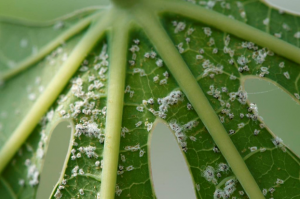
The cassava genome possesses 14 of the 17 plant PR families, with a total of 447 PR genes. A cassava PR gene nomenclature is proposed. Phylogenetic relatedness of cassava PR proteins to each other and to homologs in poplar, rice and Arabidopsis identified cassava-specific PR gene family expansions. The temporal programs of PR gene expression in response to the whitefly (Aleurotrachelus socialis) in four whitefly-susceptible cassava genotypes showed that 167 of the 447 PR genes were regulated after whitefly infestation.
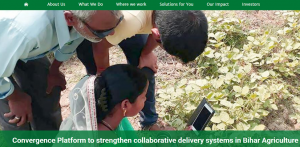
Bihar, the third-most populous state in eastern India, lies in the river plains of the river Ganga’s basin. Endowed with fertile alluvial soil and ground water resources, Bihar has a net sown area of 60% of its total geographical area under cultivation, where rice, wheat, and maize are the major cereal crops cultivated. Agriculture is at the core of the states’ economy, employing nearly 77 % of the workforce and generating 35 % of the state domestic product.

Agriculture is the core occupation for more than two-thirds of the population in Odisha. Majority of the cultivated area in the State is vulnerable to various types of climatic and other risks such as floods, drought, pests and diseases, hailstorms, etc. The state has been severely affected by several floods in the last 15 years, with eight being severe in magnitude including the devastating Fani cyclone in 2019. This climatic risk discourages agricultural investments and reduces crop productivity in the state.
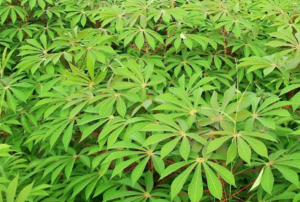
Cassava is highly tolerant to stressful conditions, especially drought stress conditions; however, the mechanisms underlying this tolerance are poorly understood. The GRAS gene family is a large family of transcription factors that are involved in regulating the growth, development, and stress responses of plants. Currently, GRAS transcription factors have not been systematically studied in cassava, which is the sixth most important crop in the world.
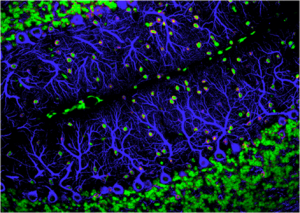
“One extreme view of this would be that you start out wired up for every possible contingency,” says Jeff Lichtman, a neuroscientist at Harvard University in Cambridge, MA. Over time, a large percentage of those wires are permanently disconnected, says Lichtman. “What you're left with is a narrower nervous system,” he explains. “But it’s tuned exactly to the world you found yourself in.”
Since I issued my statement (http://www.nasonline.org/about-nas/leadership/president/diversity-equity-and-inclusion-statement.html) on racial inequality as president of the National Academy of Sciences, many scientists have written asking how they can help rectify this situation. Sadly, I believe that in the past science has been, or at least was perceived to have been, part of the problem rather than part of the solution.
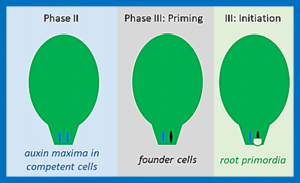
Many plant species are able to regenerate adventitious roots either directly from aerial organs such as leaves or stems, in particularly after detachment (cutting), or indirectly, from over-proliferating tissue termed callus. In agriculture, this capacity of de novo root formation from cuttings can be used to clonally propagate several important crop plants including cassava, potato, sugar cane, banana and various fruit or timber trees
As the world faces the unprecedented pandemic, we must restore the links between people and nature to accelerate the transformation of our food systems to make them more sustainable, resilient and equitable, FAO-Director-General QU Dongyu said on Tuesday. He delivered his remarks at a special virtual side-event on the Post-2020 Global Biodiversity Framework held on the margins of the 2020 High-Level Political Forum on Sustainable Development and convened by the Secretariat of the Convention on Biological Diversity (CBD).

The FAO Council today approved a series of measures proposed by the Director-General QU Dongyu to modernize the UN agency and make it more efficient and effective. Composed of 49 member countries and executive organ of the FAO Conference, the Council met virtually for the first time in FAO's history due to the COVID-19 pandemic.
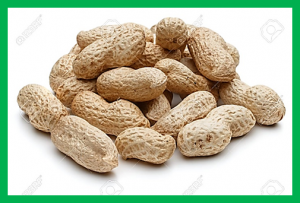
Aflatoxin contamination in peanuts caused by Aspergillus flavus is a serious food safety issue for human health around the world. Host plant resistance to fungal infection and reduction in aflatoxin are crucial for mitigating this problem. Identification of the resistance-linked markers can be used in marker-assisted breeding for varietal development. Here we report construction of two high-density genetic linkage maps with 1975 SNP loci and 5022 SNP loci, respectively.