


News & Events
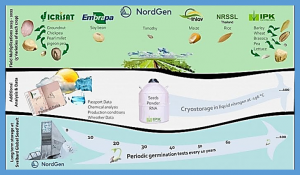
Five genebanks submit seed stocks for a 100-year long experiment in Svalbard Global Seed Vault. Seeds of wheat, barley, pea, lettuce, cabbage, and nine more crops will be placed into the -18°C seed storage in Svalbard. Samples of the same seeds will also be stored in cryotanks at IPK Gatersleben and then the quality of the seeds will be compared with the material stored in Svalbard over a period of 100 years.
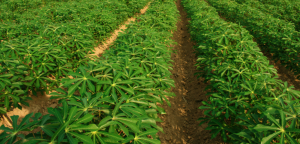
Cassava is a staple food crop in sub-Saharan Africa; it is a rich source of carbohydrates and proteins which currently supports livelihoods of more than 800 million people worldwide. However, its continued production is at stake due to vector-transmitted diseases such as Cassava mosaic disease and Cassava brown streak disease. Currently, the management and control of viral diseases in cassava relies mainly on virus-resistant cultivars of cassava. Thus, the discovery of new target genes for plant virus resistance is essential for the development of more cassava varieties by conventional breeding or genetic engineering.
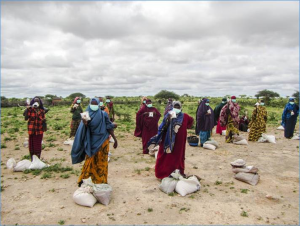
More countries are joining the COVID-19 Food Coalition led by the Food and Agriculture Organization of the United Nations (FAO). The initiative, which was launched in June by the Government of Italy, aims to tackle medium and long-term adverse impacts of the pandemic on food systems and agriculture. As of July 31, 2020, 35 nations from all over the globe have joined or expressed their interest to support the Coalition.

The European Food Safety Authority (EFSA) Panel on Genetically Modified Organisms (GMO Panel) has released a statement complementing the EFSA Scientific Opinion on an application for placing on the market of genetically modified (GM) oilseed rape Ms8 × Rf3 × GT 73 and subcombinations, which have not been authorized previously.
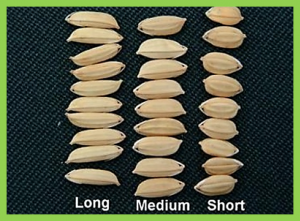
It is often very difficult to isolate a minor QTL that is closely linked to a major QTL in rice. In this study, we focused on the isolation of a minor grain length QTL, small grain 3 (SG3), which is closely linked to the major QTL grain size 3 (GS3). The genetic effect of SG3 on grain length was dependent on GS3 status. Its genetic effect was larger in the presence of nonfunctional sg3 than functional SG3.
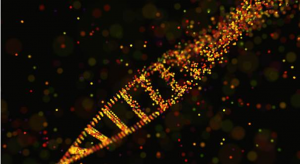
Researchers from the University of Copenhagen have mapped and analyzed the largest and most complex CRISPR system in a new study. The researchers studied a complex called Cmr-β, which belongs to the subgroup of so-called type III-B CRISPR-Cas complexes. The researchers believe that the system may have potential applications in biomedicine and biotechnology.
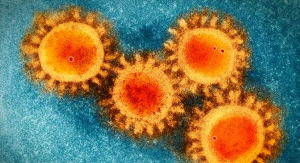
A study conducted by researchers at the University of Bologna shows that SARS-CoV-2, the virus causing the COVID-19 pandemic, presents at least six strains. Despite its mutations, the virus shows little variability, which is a good news welcomed by researchers working on a viable vaccine. The most extensive study ever carried out on SARS-CoV-2 sequencing drew from the analysis of 48,635 coronavirus genomes isolated by researchers from all over the world.
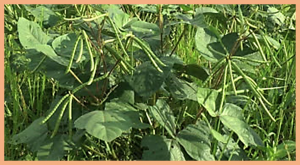
Mungbean (Vigna radiata [L.] Wilczek), an important source of carbohydrate and protein in Asia, is characterized by nonsynchronous pod maturity; consequently, harvesting is labor intensive. Because pod maturity is associated with synthesis and remobilization of sucrose, we examined changes in sucrose levels and transcriptome in leaf (source) tissues after pod (sink) removal using two genotypes, VC1973A and V2984; VC1973A had higher synchronicity in pod maturity than V2984. After pod removal, much higher number of pods were produced in V2984 than VC1973A.
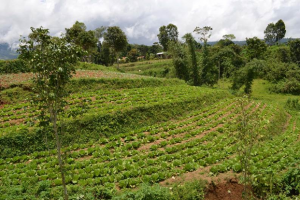
Up to USD 300 billion will be needed annually to adapt to the climate crisis, including the costs of projects designed to ensure agriculture is adaptable and sustainable in the face of climate extremes. Yet experience shows that agricultural-development projects in Africa can be highly risky and uncertain. At the design stage, they often fail to account for risks in implementing a project, even though conditions are known to be subject to rapid change. Part of the challenge is that few data are available to predict a project’s impact. So, projects frequently just fly blind.
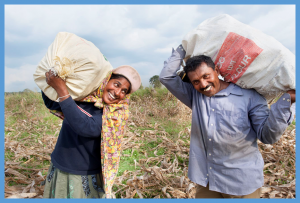
CGIAR in 2019 focused its efforts on transformation – both external and internal – to advance science for humanity’s greatest challenges. As the final decade approached to meet the United Nations Sustainable Development Goals (SDGs) by 2030, and global action lagged on climate change, it became clear that no less than a transformative approach was needed to end poverty, hunger and malnutrition, and restore essential natural resources and ecosystems, starting with food systems, says CGIAR System Organization Executive Director, Elwyn Grainger-Jones.
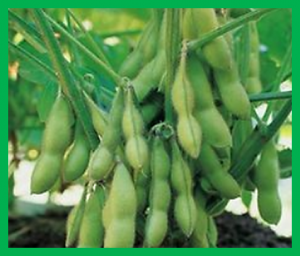
Plant breeding is a key element for future agricultural production that needs to cope with a growing human population and climate change. However, the process of developing suitable cultivars is time-consuming, not least because of the long generation times of crops. Recently, speed breeding has been introduced for long-day crops, but a similar protocol for short-day crops is lacking to date. In this study, we present a speed breeding protocol based on light-emitting diodes (LEDs) that allow to modify light quality
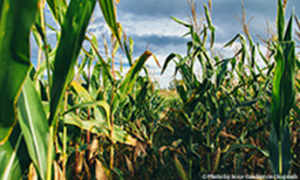
The maize genome tells an intriguing story about domestication and the shaping of the genome by human selection. Around 10,000 years ago, Native Americans started to domesticate maize in what is Mexico today. They created the basis for one of today’s most important sources of food for both humans and livestock