


News & Events
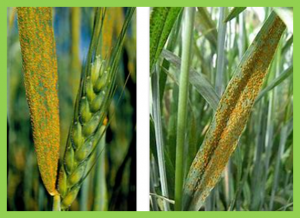
We utilized 2300 wheat accessions including worldwide landraces, cultivars and primary synthetic-derived germplasm with three Australian cultivars: Annuello, Yitpi and Correll, to investigate field-based resistance to leaf (Lr) rust, stem (Sr) rust and stripe (Yr) rust diseases across a range of Australian wheat agri-production zones. Generally, the resistance in the modern Australian cultivars, synthetic derivatives,

The United States Environmental Protection Agency (US EPA) announced its proposal for a new rule that will ease the regulation of some National Priority List sites. The public is being invited to comment on the said proposal. US EPA is proposing exemptions under the Federal Insecticide, Fungicide, and Rodenticide Act and the Federal Food, Drug and Cosmetic Act for certain plant-incorporated protectants (PIPs)
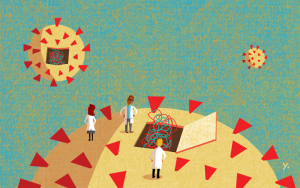
The structures within its RNA that SARS-CoV-2 uses to infect cells have now been identified by scientists, generating the most comprehensive atlas to date of the SARS'CoV-2's genome. A team at the Howard Hughes Medical Institute (HMHI) led by RNA scientist Anna Marie Pyle has now made the most comprehensive map to date of these genomic structures. Pyle's team mapped structures across the entire RNA genome of the coronavirus SARS-CoV-2, using living cells and computational analyses
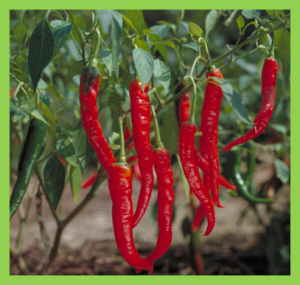
Pepper (Capsicum annum L.) fruit can be dark green, green, light green, purple, yellow, or ivory at the juvenile stage. Anthocyanins are responsible for fruit color formation in mature unripe pepper fruit, and transient accumulation of anthocyanins is the main problem in breeding pepper plants with mature purple fruit. Only a few genes controlling this trait have been cloned. The present study aimed to map and identify an anthocyanin biosynthesis gene from pepper using

The first-ever government-funded research project on Synthetic Biology in Kenya has been launched. The project, funded under the country's National Research Fund, will employ synthetic biology innovations in addressing intractable challenges in food security and healthcare. Led by a multidisciplinary team of local researchers, the project titled Developing low-cost diagnostic tools and biosensors for rapid detection of crop and human pathogens in Kenya aims at harnessing the power of synthetic biology to provide viable solutions to delayed disease surveillance and intervention in the country.

ISAAA together with partners, facilitates discourses on animal biotechnology regulations as it hosts the 4th International Workshop on Regulatory Approaches for Animal Biotechnology. The workshop aims to exchange information, share experiences, and enhance cooperation towards animal biotechnology regulations among countries who are either working on or implementing their respective guidelines.
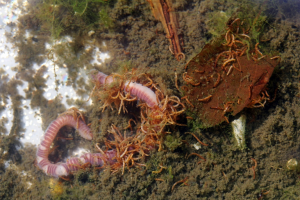
The ongoing debate about the ecological effects of Bt-crops calls for thorough reviews about the impact on soil biodiversity and their ecosystem services. Transgenic Bt-crops have been genetically modified by inserting a Bacillus thuriengensis gene so the plant expresses a Cry toxin aimed for insect crop pests. Non-target soil invertebrates are particularly recognized for their contribution to plant nutrient availability and turnover of organic matter
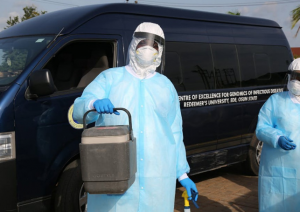
The first coronavirus infection in Nigeria was recorded on February 27, 2020. Samples were sent to the African Centre of Excellence for Genomics of Infectious Diseases (ACEGID) by the Nigerian Centre for Disease Control for genome sequencing. As a result, the first SARS-CoV-2 sequence data on the African continent was published on March 6, 2020. Now, scientists at ACEGID in Nigeria's Redeemer's University identified seven lineages of the SARS-CoV-2 coronavirus out of over 1,000 in the world.

The potential of agri-biotechnology to contribute to sustainable agriculture depends on R&D as well as on the integration of other factors such as effective communication, science-based national regulatory frameworks, and adequate understanding of international legal instruments. To foster strong collaboration and enrich knowledge among key players in the agri-biotech and biosafety arena,
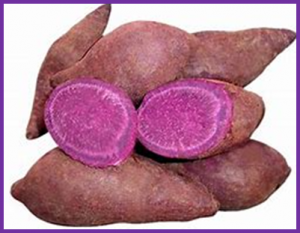
Purple-feshed sweet potato (PFSP) is an important food crop, as it is a rich source of nutrients and anthocyanin pigments. Drought has become a major threat to sustainable sweetpotato production, resulting in huge yield losses. Therefore, the present study was conducted to identify drought stressresponsive genes using next-generation (NGS) and third-generation sequencing (TGS) techniques.
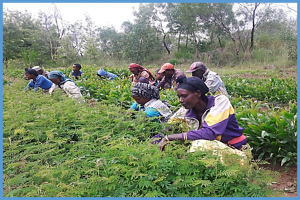
Integrating trees in farming and pastoral landscapes, or agroforestry, is one of the most effective tools we have for mitigating and adapting to the climate crises and for restoring degraded lands while also providing nutrition and livelihoods to millions of people, particularly, in sub-Saharan Africa. Yet the integral role that agroforestry plays is often under-recognised, with policy barriers to accelerated adoption, even in areas with significant potential.
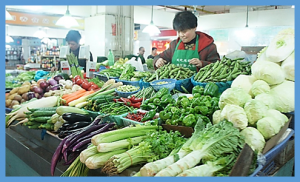
Vegetable safety in China is threatened by the overuse of agro-chemicals. To eliminate these food safety hazards, the government attempted to control vegetable retailers through a process of modernization. Traditionally, vegetables were distributed through complex networks of farmer households, traders, intermediaries and stallholders in wet markets, grocery stores and supermarkets.