


News & Events

A study was conducted in Korea to examine the influence of consumers' knowledge on their perceptions and purchase intentions towards genetically modified (GM) foods. The responses were then analyzed to identify the implications for the sustainable development of the Korean food industry.
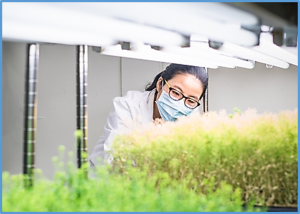
We recently achieved targeted disruptions of cytoplasmic male sterility (CMS)‐associated genes in the mitochondrial genomes of rice and rapeseed by using mitochondria‐targeted TALENs (mitoTALENs). It was the first report of stable and heritable targeted gene modification of plant mitochondrial genomes. Here, we attempted to use mitoTALENs to disrupt two mitochondrial genes in the model plant Arabidopsis (Arabidopsis thaliana) using three different promoters and two types of TALENs.
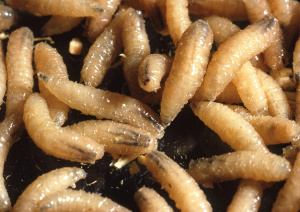
Benoit and his co-authors sequenced the genome of screwworms and identified ways of slashing populations by targeting particular genes that determine sex and control growth and development or even particular behaviors that help the flies find a suitable animal host. The study was led by entomologist Maxwell Scott at North Carolina State University. Scott said that their main goal was to use the genomic information to build strains that produce only males for an enhanced sterile-insect program.
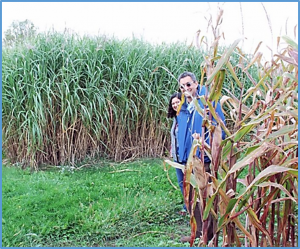
An international research group has sequenced the full genome of an ornamental variety of miscanthus, a wild perennial grass that is a prime candidate for sustainable bioenergy crops. The project led by scientists at the Center for Advanced Bioenergy and Bioproducts Innovation (CABBI), a U.S. Department of Energy (DOE) Bioenergy Research Center, provides a road map in exploring new avenues to maximize the plant's productivity and decipher the genetic basis for its desirable traits.
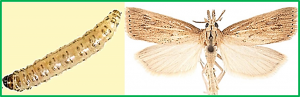
RNA interference (RNAi) is a promising approach for developing insect‐resistant crops. In the first two proof‐of‐concept studies, DNA fragments derived from essential insect genes were constructed into plant expression cassettes as inverted repeats, enabling long double‐stranded RNAs (dsRNAs) to be transcribed in host plants (Baum et al., 2007; Mao et al., 2007).
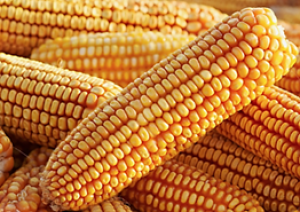
The U.S. Department of Agriculture's (USDA) Animal and Plant Health Inspection Service (APHIS) invites the public to comment on a petition from Pioneer Hi-Bred International, Inc. seeking deregulation of genetically engineered (GE) corn variety DP23211. The corn is engineered for insect resistance against corn rootworm and tolerance to glufosinate herbicides.

The European Federation of Academies of Sciences and Humanities (ALLEA) released the report Genome Editing for Crop Improvement which presents scientific evidence and actions that can be taken to harmonize the EU legislation on genome editing. The report is based on the discussion of scientific experts, policymakers, and civil society groups during the public symposium held in Brussels, Belgium in November 2019.

Genome editing has become one of the key technologies for plant breeding. However, in polyploid species such as chrysanthemum, knockout of all loci of multiple genes is needed to eliminate functional redundancies. We identified six cDNAs for the CmDMC1 genes involved in meiotic homologous recombination in chrysanthemum. Since all six cDNAs harbored a homologous core region, simultaneous knockout via TALEN-mediated genome editing should be possible.

Farmers in Kenya are finally planting biotech cotton. This is after the Cabinet approved the commercial cultivation of Bt cotton in an effort to revive the cotton industry, boost textile and apparel manufacturing. Bt cotton has been genetically improved to resist infestation by the African Bollworm, the single most destructive cotton pest in Kenya. Over 200 Bt cotton on-farm demonstration plots have so far been planted in western Kenya with plans underway to expand to other parts of the country.
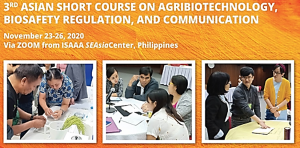
The potential of agri-biotechnology to contribute to sustainable agriculture depends on R&D as well as on the integration of other factors such as effective communication, science-based national regulatory frameworks, and adequate understanding of international legal instruments. To foster strong collaboration and enrich knowledge among key players in the agri-biotech and biosafety arena,
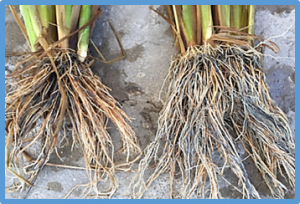
Rice (Oryza sativa L.) is grown in a wide range of ecosystems, including flood- and drought-prone environments. As rice is the main food for more than half of the world’s population, rice yield losses pose a major threat to food security. Rice is vulnerable to a wide range of abiotic stresses, like drought, heavy metals, salinity, cold, and submergence. It is a high water-consuming crop and irrigated rice represents 53% of the global cultivated area of rice.
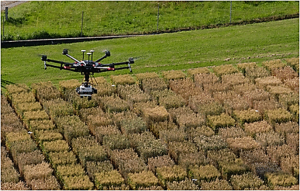
Until recently, the field of plant breeding looked a lot like it did in centuries past. A breeder might examine, for example, which tomato plants were most resistant to drought and then cross the most promising plants to produce the most drought-resistant offspring. This process would be repeated, plant generation after generation, until, over the course of roughly seven years, the breeder arrived at what seemed the optimal variety.