


News & Events
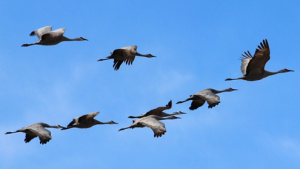
Massive wildlife losses over the past 50 y have brought new urgency to identifying both the drivers of population decline and potential solutions. We provide large-scale evidence that air pollution, specifically ozone, is associated with declines in bird abundance in the United States. We show that an air pollution regulation limiting ozone precursors emissions has delivered substantial benefits to bird conservation.
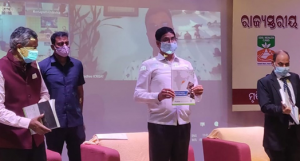
The soil movement started in the Indian state of Odisha two-and-half years ago through the ICRISAT-led Bhoochetana project crossed an important milestone with the launch of a soil atlas and two modern soil testing laboratories of international standard. Dr Arun Kumar Sahoo, the State Minister of Agriculture and Farmers’ Empowerment, did the honors virtually.

Millets have sometimes been hailed as the next quinoa but researchers collating a global database of millet products have found this ancient grain to be orchestrating a silent food revolution that could see quinoa outstripped. The “Millet Finder”, recently launched, discovered a surge in the use of millets, with over a thousand modern convenient products being marketed and sold across all the inhabited continents.
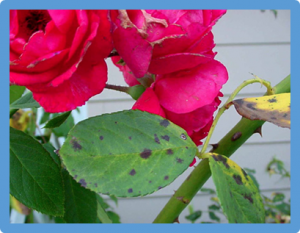
The widespread rose black spot disease (BSD) caused by the hemibiotrophic fungus Diplocarpon rosae Wolf. is efficiently controlled with fungicides. However, in the actual context of reducing agrochemical use, the demand for rose bushes with higher levels of resistance has increased. Qualitative resistance conferred by major genes (Rdr genes) has been widely studied but quantitative resistance to BSD requires further investigation.
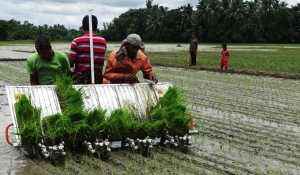
The International Rice Research Institute (IRRI) has launched the second phase of the Sustainable Intensification Innovation Lab (SIIL-Polder) project titled “Pathways of scaling of agricultural innovations for sustainable intensification in the polders of coastal Bangladesh.” The overall goal of the project is to improve food security, human nutrition and livelihood of the rural communities in the polders through scaling and evaluating pragmatic and feasible farming approaches for more efficient utilization of available land and water resources to sustainably intensify polder-based agriculture.
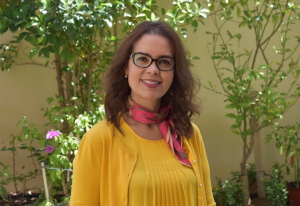
CGIAR announced today that Ismahane Elouafi has stepped down from the CGIAR System Board with effect from November 15, 2020, as she commences her new pivotal role of Chief Scientist at the Food and Agriculture Organization of the United Nations (FAO). This decision has come after discussions between CGIAR and Dr Elouafi, and in recognition that the time commitments and breadth of mandate of her new FAO senior leadership role are such that she is unable to continue in her role as a CGIAR System Board member
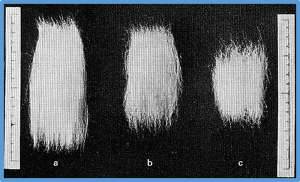
Good fibre quality and high yield are important production goals in cotton (Gossypium hirsutum L.), which is a leading natural fibre crop worldwide. However, a greater understanding of the genetic variants underlying fibre quality- and yield-related traits is still required. In this study, a large-scale population including 588 F7 recombinant inbred lines, derived from an intraspecific cross between the upland cotton cv.

Timely and robust actions can reduce hunger and human suffering as a result of crises, and that's truer than ever in the wake of the disruptions caused by the COVID-19 pandemic, FAO Director-General QU Dongyu told participants in the High-Level pledging event for the Central Emergency Response Fund (CERF), the second-largest donor to FAO's humanitarian programme.
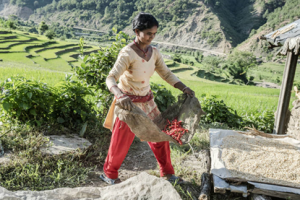
Mountains host about half of the global biodiversity hotspots and are home to a growing number of the world's hungriest people, according to a new study launched by the Food and Agriculture Organization of the United Nations (FAO) and partners to mark International Mountain Day 2020.
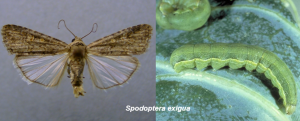
Herbivory is fundamental to the regulation of both global food webs and the extent of agricultural crop losses. Induced plant responses to herbivores promote resistance and often involve the perception of specific herbivore-associated molecular patterns (HAMPs); however, precisely defined receptors and elicitors associated with herbivore recognition remain elusive. Here, we show that a receptor confers signaling and defense outputs in response to a defined HAMP common in caterpillar oral secretions (OS)

A researcher from the University of Eastern Finland conducted a study that investigated the roles of flavonoids and condensed tannins in the silver branch tree's defense system against autumnal moth and ultraviolet B radiation (UVB). The results showed that foliar flavonoids have toxic and deterring effects against insect herbivores.Two experiments were conducted using control and genetically modified (GM) silver birch trees.
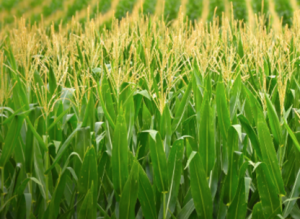
Biotech maize planting in Vietnam increased in 2019/2020. This is according to the USDA FAS Global Agricultural Information Network (GAIN) report on the status of agricultural biotechnology in Vietnam.
Biotech maize area reached 92,000 hectares in 2019/2020, while Fall Army Worm threats continued. A total of 45 certificates of food or feed approval have been released by Vietnam for biotech maize