


News & Events
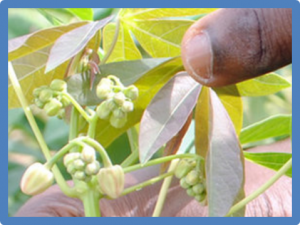
In Asia, cassava (Manihot esculenta) is cultivated by more than 8 million farmers, driving the rural economy of many countries. The International Center for Tropical Agriculture (CIAT), in partnership with national agricultural research institutes (NARIs), instigated breeding and agronomic research in Asia, 1983. The breeding program has successfully released high-yielding cultivars resulting in an average yield increase from 13.0 t ha-1 in 1996 to 21.3 t ha-1 in 2016, with significant economic benefits
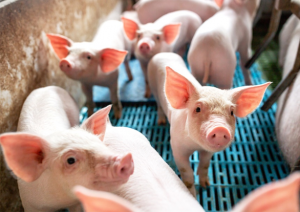
The U.S. Food and Drug Administration has approved on December 14, 2020, a first-of-its-kind intentional genomic alteration (IGA) in domestic pigs, referred to as GalSafe pigs which could be used for food or human therapeutics. The approval is the first IGA in an animal that the FDA has approved for both human food consumption and potential therapeutic uses. The IGA in GalSafe pigs eliminates alpha-gal sugar on the surface of the pigs' cells. People with Alpha-gal syndrome (AGS) may have mild to severe allergic reactions to alpha-gal sugar found in red meat including beef, pork, and lamb.

The pandemic and reduced funding did not stop ISAAA from doing what we do best to ensure the world is fed with the knowledge to make informed decisions on agri-biotechnology. In fact, ISAAA stepped up to support the management of the global health crisis by being a credible information source for COVID-19. We covered a wide array of topics including health and medical information to food systems that were badly disrupted during the pandemic.
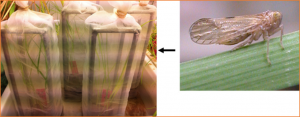
Strategies are still employed to reduce insect damage in crop production, including conventional breeding with wild germplasm resources and transgenic technology with foreign genes' insertion. Cultivated and Bt-transgenic rice (Oryza sativa) and two ecotypes of wild rice (O. rufipogon) were treated by a 72 h feeding of brown plant hopper (Nilaparvata lugens). Under the feeding of N. lugens, compared with the cultivated rice (568 and 4)
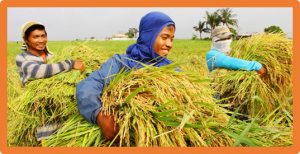
Despite the economic consequences of COVID-19, a growing number of countries around the world today stepped up their investments in long-term development, signalling a greater awareness of the links between hunger, inequality and instability which often spark humanitarian crises. By pledging new funds to the UN’s International Fund for Agricultural Development (IFAD), they committed to ensure hundreds of millions of rural people in some of the poorest countries can sustainably access nutritious food and earn decent incomes.
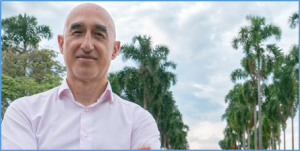
The Alliance of Bioversity International and the International Center for Tropical Agriculture (CIAT) informs that Saturday, 5 December 2020, Mr. Jesús Antonio Quintana García, the Alliance’s Managing Director for the Americas, was illegally captured by an armed group under unclear circumstances. The Alliance requests respect for the life of our colleague and demands his prompt release.
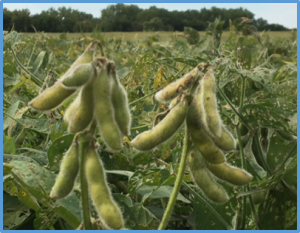
Soybean is grown worldwide for oil and protein source as food, feed and industrial raw material for biofuel. Steady increase in soybean production in the past century mainly attributes to genetic mediation including hybridization, mutagenesis and transgenesis. However, genetic resource limitation and intricate social issues in use of transgenic technology impede soybean improvement to meet rapid increases in global demand for soybean products.
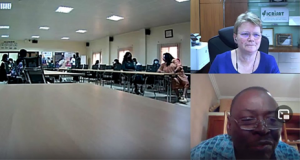
On a virtual visit to offices and facilities in Mali, Niger and Nigeria, Dr Jacqueline Hughes, Director General, ICRISAT, interacted with staff updating them on the One CGIAR move, the opportunities it presents and the changes it will bring. The overall aim of the move, she said, was to ensure that research is strong with stable funding with the big focus on nutrition, gender, climate change research and strengthening partnership.Dr Hughes commended work in the region and emphasized the need for documenting impacts supported by metrics.
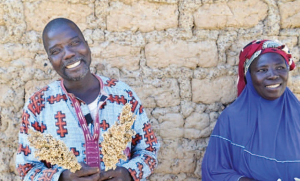
Access to fertilizer is a serious constraint in Sola Bougouda, Mali. Farmers looking for hardy and resilient crops that need less fertilizer than maize have shifted to sorghum and millet. The Mariko family made the shift and reaped big gains. In fact, Fousseyni Mariko, seed producer and President of the Djiguifa cooperative, is a pioneer in his community. In 2014 he enrolled in a Feed the Future farmer field school and was one of the pilot farmers trained on seed production, credit systems, storage techniques and marketing.
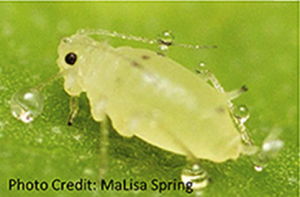
Aphids are emerging as model organisms for both basic and applied research. Of the 5,000 estimated species, only three aphids have published whole genome sequences: the pea aphid Acyrthosiphon pisum, the Russian wheat aphid, Diuraphis noxia, and the green peach aphid, Myzus persicae. We present the whole genome sequence of a fourth aphid, the soybean aphid (Aphis glycines), which is an extreme specialist and an important invasive pest of soybean (Glycine max).
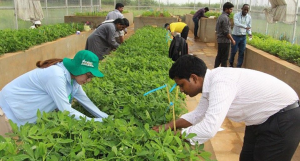
Demand for peanut oil in India is increasing and a dependable supply of quality seed of varieties that combine both high oil and high oleic traits are highly desirable for increased shelf life and consumer health benefits, said Mr Tushar Tumar from Kedut Foods and Feeds at a recent virtual industry interface meeting hosted by ICAR – Directorate of Groundnut Research. At the same meet, scientists, traders, seed producers and processors discussed the importance of having seed production guidelines in place to ensure high genetic purity in the high-oleic seed value chain.
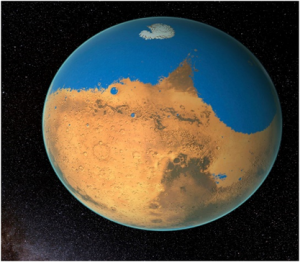
When Mariner 4 buzzed Mars in 1965, it revealed a dry, desiccated world that stood in stark contrast to the habitable planet dreamed of by decades of science fiction writers. Subsequent observations revealed the apparent scars of rivers and deltas, and even potential sea shorelines. The revelations brought hope that the planet had once been wetter. But the implications of these findings have remained unclear, with theories of potential climates falling into two camps.