


News & Events
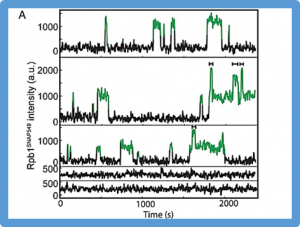
In eukaryotes, RNA polymerase II (RNApII) transcribes messenger RNA from template DNA. Decades of experiments have identified the proteins needed for transcription activation, initiation complex assembly, and productive elongation. However, the dynamics of recruitment of these proteins to transcription complexes, and of the transitions between these steps, are poorly understood. We used multiwavelength single-molecule

We are well into the 21st century and even the most fundamental aspects of protein biophysics continue to perplex us. For example, counter to any expectation, proteins are excellent conductors (1); globular proteins, the once hallowed paradigm of structural biology, are now believed to sample their unfolded ensemble multiple times over their lifetime due to their unexpectedly small folding equilibrium constants

When geneticist Haig H. Kazazian Jr. was 16, he overheard a conversation between his father and a family friend. “What do you think? Is he going to be a doctor?” asked his father. “I think he’ll be a scientist,” replied the friend. Kazazian went on to become both. Trained in pediatrics, he developed a love of genetics early on and took up research. At first, he focused on blood disorders, with an eye toward characterizing the molecular basis of thalassemia and hemophilia.
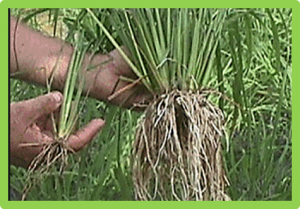
To explore the relationship between charge characteristics of rice roots and aluminum (Al) tolerance of rice, roots of 47 different rice genotypes were obtained by hydroponic experiment. The zeta potentials of roots were determined by streaming potential method, and the Al tolerance and the functional groups of rice were measured by relative root elongation and infrared spectroscopy (ATR-FTIR), respectively.
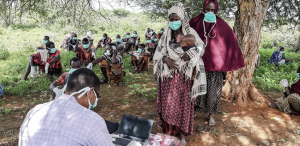
2020 will go down in history as a uniquely challenging year marked by the COVID-19 pandemic. At the Food and Agriculture Organization of the United Nations (FAO), it will also be remembered as a year in which the Organization turned challenges into opportunities and took steady steps to become more transparent, inclusive and digital. “The world has continued to change rapidly and much has happened inside FAO.
Biotech crops are the fastest adopted crop technology in the history of modern agriculture. In 2019, ten countries in Latin America planted biotech crops led by Brazil and Argentina. The International Service for the Acquisition of Agribiotech Applications (ISAAA) will present the latest report on the global status of commercialized biotech crops in 2019 during a webinar on December 18, 2020 at 12 PM (GMT-3) via Zoom.
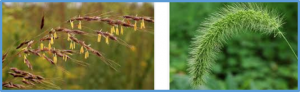
Whole genome duplication (WGD) is a common phenomenon in plants, inducing species diversity, promoting speciation, and playing an important role in providing new genetic material in plant evolution. So far, numerous new gene functions such as pseudogenization, neofunctionalization, and subfunctionalization have evolved through WGD. WGD has occurred several times during the evolution of angiosperms over the past 200 million years. Poaceae, one of the largest plant families in the angiosperms, is considered one of the most economically important and ecologically successful plants, with approximately 600 genera and 10,000 species.
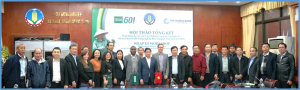
During the wrap-up workshop of the International Rice Research Institute’s (IRRI) consultancy to the Vietnam Sustainable Agriculture Transformation (VnSAT) Project, the Ministry of Agriculture and Rural Development (MARD) acknowledged the contribution of the institute in promoting best practices for better quality rice in a sustainable framework. Moreover, the adoption of best practices significantly increased the annual rice production of Vietnam and the incomes of Vietnamese farmers in the Mekong River Delta.
Today, the American Academy of Arts and Sciences is releasing a new publication, America and the Future of International Science, that presents the case for robust U.S. support for and participation in international scientific collaborations. The report is timely. During the COVID-19 pandemic, America's engagement with international science has involved retreats and advances.
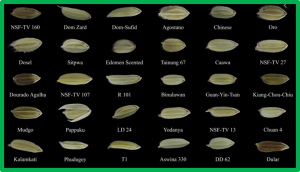
Rice (Oryza sativa L.) grains are classified as long, medium, or short on the basis of their shapes. Long-grained rice cultivars belong to the indica subspecies, whereas short-grained rice cultivars are members of the japonica subspecies. Medium-grained cultivars may be members of either subspecies. Japonica cultivars are typically grown in temperate climates. The Grain Utilization Value Added Project, a collaborative effort between the International Rice Research Institute and the Rural Development Administration, Republic of Korea, has made efforts to develop japonica cultivars that are adaptable to the tropical climate.
Two hundred individuals and ten teams from across all streams and offices of the Food and Agriculture Organization of the United Nations (FAO) were recognized today for "remarkable performance under extraordinary circumstances in an exceptional year" at the FAO Employee Recognition Awards event - held this year online.
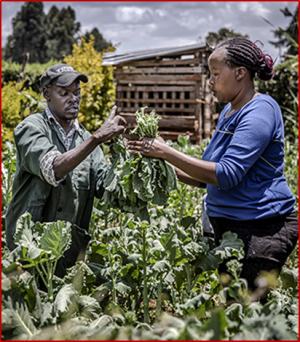
To address the multiple burdens of hunger and malnutrition, the spotlight must be shifted to agri-food systems that not only produce more food for the world’s fast-growing population but also provide access to affordable healthy and nutritious, and foods for all. This was a key takeaway from a FAO webinar on “Raising levels of Nutrition” which was held today.