


News & Events

As biologist Andrew Hendry recently wrote, “research initiatives in ecology and evolution have periodically dated but never married” (1). This also holds for the theoretical underpinnings of the two fields. Roughly speaking, the first mathematical models of population ecology are a century old, and the first stirrings of evolutionary game theory date from half a century ago
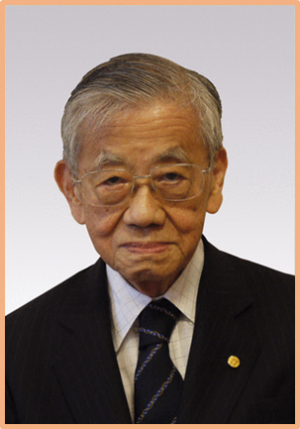
It will be difficult to take the measure of the man, Dr. Takashi Sugimura, who died on September 6, 2020, since so much has been written about his persona and his status as an internationally recognized biochemical cancer researcher. It goes without saying that the scientific community has lost an extraordinary human being. However, at least he left us the shoulder of a giant on which to stand.
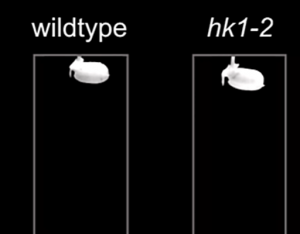
Early root growth is critical for plant establishment and survival. We have identified a molecular pathway required for helical root tip movement known as circumnutation. Here, we report a multiscale investigation of the regulation and function of this phenomenon. We identify key cell signaling events comprising interaction of the ethylene, cytokinin, and auxin hormone signaling pathways.
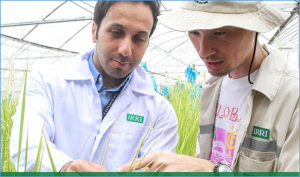
Plant improvement has always been an important component of food production and security. However, the impacts of climate change—higher temperatures, extreme and erratic weather, drought, increasing levels of carbon dioxide, and rising sea levels—have created a new urgency for global crop improvement efforts.
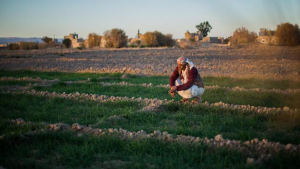
The Director-General of the Food and Agriculture Organization of the United Nations (FAO), QU Dongyu, has appealed for urgent aid to fight the humanitarian crisis in Yemen as UN agencies work to prevent a large-scale famine in the country.The Director-General made the appeal in a video message recorded for today's virtual UN High-Level Pledging Event on the Humanitarian Crisis in Yemen, convened by the UN Secretary-General, António Guterres, and co-hosted by the Governments of Sweden and Switzerland.
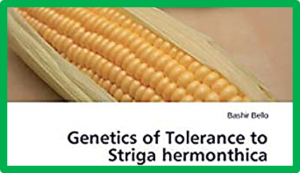
Striga hermonthica (Del.) Benth., commonly known as the purple witchweed or giant witchweed, is a serious problem for maize-dependent smallholder farmers in sub-Saharan Africa. Breeding for Striga resistance in maize is complicated due to limited genetic variation, complexity of resistance and challenges with phenotyping. This study was conducted to (i) evaluate a set of diverse tropical maize lines for their responses to Striga under artifcial infestation in three environments in Kenya

A study conducted by scientists at Arkansas State University and partners showed that genetically modified (GM) white maize had higher increase in yields in South Africa compared to GM yellow maize and conventional hybrid maize. Since GM white maize has been used for human consumption, the study suggests that biotechnology has the potential to support food security in the country and in the region.

On February 23, 2021, 24 World Food Prize Laureates through the World Food Prize Foundation released an open letter, U.S. Leadership Needed to Help End World Hunger, urging the Biden-Harris Administration to focus on alleviating hunger, poverty, and malnutrition around the globe.
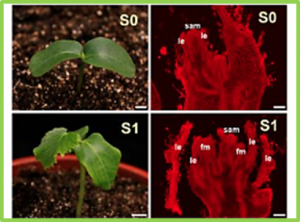
Plant cystatins are cysteine proteinase inhibitors that play key roles in defense responses. In this work, we describe an unexpected role for the cystatin-like protein DEFORMED FLORAL BUD1 (CsDFB1) as a transcriptional regulator of local auxin distribution in cucumber (Cucumis sativus L.). CsDFB1 was strongly expressed in the floral meristems, floral primordia, and vasculature.

Australia was one of the pioneering countries that commercialized genetically engineered crops in 1996. In 2019, Australia ranked 13th in the list of GM crop-planting countries. More details on Australia's biotech adoption and other highlights of the ISAAA report, Global Status of Commercialized Biotech/GM Crops: 2019, will be discussed during the webinar, including the following:
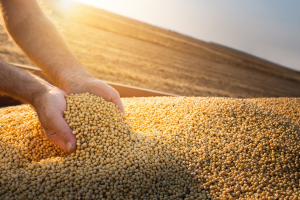
Center for Genetic Engineering and Biotechnology (CIGB) Director for Agricultural Research Mario Pablo Estrada has again expressed his support for transgenic crops, stating that these will help Cuba become more independent in agricultural food production, particularly for maize and soybeans. Estrada further explained that biotechnology can also help Cuba develop better seeds and achieve increased yields

Ruminants and humans are unable to synthesize essential amino acids (EAAs) and conditionally essential amino acids (CEAAs) under normal conditions and need to acquire them from plant sources. Maize plays, as a major crop, a central role in global food security. However, maize is deficient in several EAAs and CEAAs. Genetic engineering has been successfully used to enrich the EAA content of maize to some extent, including the content of Lys,