


News & Events
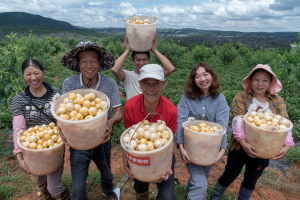
The previous Five-Year Plan, which ended in 2020, was focused on eradicating extreme poverty in the country. With the new Plan, the priority has shifted from rural work to modernization of the rural economy, particularly in building infrastructure for information technology, promoting agricultural technologies, and building modern breeding systems. Their focus on food security has been strengthened as well.
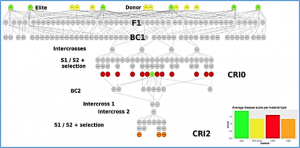
Much has been published on QTL detection for complex traits using bi-parental and multi-parental crosses (linkage analysis) or diversity panels (GWAS studies). While successful for detection, transferability of results to real applications has proven more difficult. Here, we combined a QTL detection approach using a pre-breeding populations which utilized intensive phenotypic selection for the target trait across multiple plant generations, combined with rapid generation turnover
The scientists used Raman Spectroscopy, partnered with a machine learning algorithm, to study the outer membrane vesicles (OMV) released by a bacterium found on the roots of dryland wheat. They referred the microbiome found in the plant as its 'second genome'. They have identified the type of stress necessary for the bacteria to release OMVs. The bacteria form a film around the roots of wheat when exposed to extreme heat which protects the crop from drought.

The curriculum was developed to help students learn about food agriculture and the uses of biotechnology in the food supply. US teachers who are experts in agriculture, biology, environmental science, technology, and other related fields teamed up with the Food and Drug Administration, Department of Agriculture, and the Environmental Protection Agency to design the curriculum. The team also made sure that it is science-based and that it meets the country's current education standards.
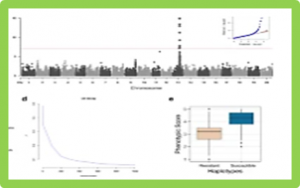
Meloidogyne javanica, a root-knot nematode, is an important problem in soybean-growing areas, leading to severe yield losses. Some accessions have been identified carrying resistance loci to this nematode. In this study, a set of 317 soybean accessions was characterized for resistance to M. javanica. A genome-wide association study was performed using SNPs from genotyping-by-sequencing, and a region of 29.2 kb on chromosome 13 was identified.

A comprehensive transformation of the global agri-food system can significantly contribute to attaining worldwide targets including ending hunger by 2030, said Food and Agriculture Organization of the United Nations Director-General QU Dongyu during a virtual keynote lecture at Italy's Accademia Nazionale dei Lincei.

A week after the first confirmed COVID-19 case in Slovakia, 783 respondents with ages 18-84 were asked to rate how much they believe various conspiracy theories such as "SARS-CoV-2 (coronavirus) is a biological weapon created to eliminate the overcrowded human population" and "COVID-19 (coronavirus) is only a fabrication, it is an ordinary flu which pharmaceutical companies rebranded to increase the sales of drugs.
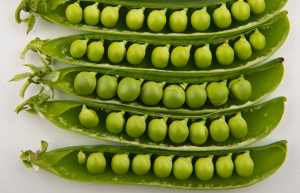
Pea (Pisum sativum L.), a cool-season legume crop grown in more than 85 countries, is the second most important grain legume and one of the major green vegetables in the world. While pea was historically studied as the genetic model leading to the discovery of the laws of genetics, pea research has lagged behind that of other major legumes in the genomics era, due to its large and complex genome
The socio-economic impacts of biotech crops have been documented in the last 23 years (1996-2018) showing that biotech crops have contributed to increasing productivity for food, feed, and fiber; supporting self-sufficiency on a nation's arable land; conserving biodiversity; mitigating climate change challenges; and improving economic, health, and social status of adopters.

Eight Biotechnology Information Centers (BICs) from across Asia met to give their commitment to continue promoting the different fields of biotechnology to beneficiaries as the technology evolves and branches out even more. The online meeting, hosted by ISAAA SEAsiaCenter, was attended by representatives from China, Japan, Vietnam, Indonesia, Thailand, Pakistan, Malaysia, and the Philippines on March 2, 2021.
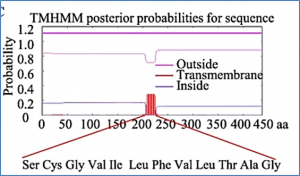
In this study, we characterized the NtCIPK11 gene from the halophyte Nitraria tangutorum and subsequently analyzed its role in salt and drought stress tolerance, using Arabidopsis as a transgenic model system. NtCIPK11 expression was upregulated in N. tangutorum root, stem and blade tissues after salt or drought treatment. Overexpressing NtCIPK11 in Arabidopsis improved seed germination on medium containing different levels of NaCl