


News & Events
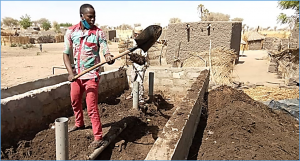
With 70% of its population under 25, Niger has one of the youngest populations in the world. Most of this West African nation’s young people have limited access to technical training, advice on job orientation and inadequate work opportunities. As a result, youth in rural areas migrate to cities and neighboring countries in search of jobs. In its efforts to address the exodus, Government of Niger considers youth employment as one of its fundamental priorities to develop the country and reduce poverty.
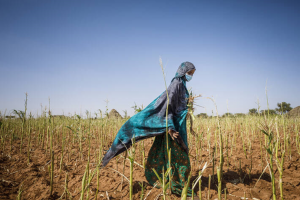
The Director-General of the Food and Agriculture Organization of the United Nations (FAO), QU Dongyu, has welcomed an €8 million contribution from the European Union (EU) that will enable countries in the Horn of Africa to maintain a state of readiness in the face of a possible resurgence of Desert Locusts. The European Commission announced the funding - from the European Civil Protection and Humanitarian Aid Operations (ECHO) - as another example of the EU's sustained commitment to control this upsurge since its early days in 2020.
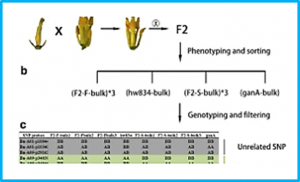
Cytoplasmic male sterility (CMS) is a maternally inherited trait that can be controlled by restorer-of-fertility (Rf) genes present in the nucleus. The hau CMS was identified as a new form of CMS associated with the mitochondrial transcript orf288; however, a lack of a restorer gene has limited its utilization in Brassica crops. Here, the combination of Brassica 60 K array with bulk segregant analysis and map-based cloning was used to delimit the Rfh locus to an 82.2-kb region on chromosome A09
A team of researchers led by Professor Anne Osbourn at the John Innes Centre has successfully traced the remaining last steps of the biological pathway that makes oats resist a deadly crop disease, creating opportunities for new ways of building up the defense for wheat and other cereals against the soil-borne root disease. Experiments to establish the avenacin biosynthetic pathway in wheat's genome were conducted to test if it will provide the same resistance to take-all and other diseases

Sustainable wheat products using drought-tolerant HB4 wheat will soon become available to consumers in Brazil and Argentina. These wheat products will also be fully traceable by consumers through a farm-to-fork strategy secured on blockchain technology. The initiative aims to significantly reduce carbon footprint and other environmental positive externalities that help fight climate change and preserve natural ecosystems using the HB4 wheat. The said strategy makes the wheat products fully traceable by consumers who will be able to access field-specific information, climate facts and other important data of potential interest.
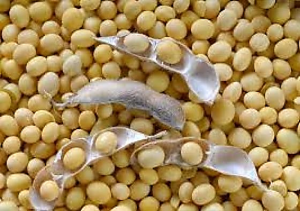
Soybean [Glycine max (L.) Merr.] provides more than half of the world’s oilseed production. To expand its germplasm resources useful for breeding increased yield and oil quality cultivars, it is necessary to resolve the diversity and evolutionary history of this crop. In this work, we resequenced 283 soybean accessions from China and obtained a large number of high-quality SNPs for investigation of the population genetics that underpin variation in seed weight and other agronomic traits
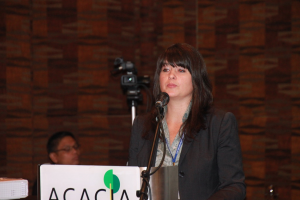
Dr. Evanega's efforts in leadership were recognized, particularly in leading the Alliance, a global initiative involving an international network of science allies. The Alliance has trained 800 individuals from 50 countries to use innovative, progressive tools in communicating about agricultural science. Dr. Evanega led the formation of a global platform that gives opportunities for people to express their support to agricultural technologies.
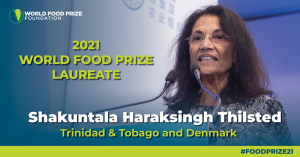
The World Food Prize Foundation has announced on May 11, 2021, that leading nutrition expert Dr. Shakuntala Haraksingh Thilsted is the 2021 World Food Prize Laureate for her achievements in pioneering fish-based food systems to improve nutrition, health, and livelihoods for millions around the world. Dr. Thilsted becomes the seventh woman to be awarded the World Food Prize and the first woman of Asian heritage to receive the $250,000 award for unlocking the benefits of fish for diets, health, and livelihoods across the Global South.
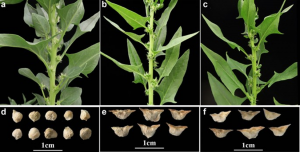
There are two types of fruit of spinach (Spinacia oleracea L.), spiny and spineless, which are visually distinguishable by the spines of fruit coat. In spinach breeding, the fruit characteristic is an important agronomic trait that have impacts on “seed” treatment and mechanized sowing. However, the gene(s) controlling the fruit spiny trait have not been characterized and the genetic mechanism of this trait remained unclear.
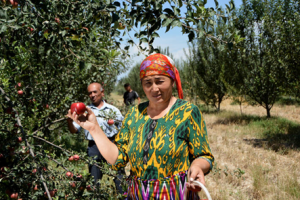
Although severe hunger has not been a major issue in Europe and Central Asia in the past 20 years, the region is in part facing an increase of moderate food insecurity - understood as irregular access to nutritious and sufficient food -, while also dealing with the widespread rapid growth of obesity, challenging its ability to achieve food security and improved nutrition, as outlined in the Sustainable Development Goal (SDG) 2.
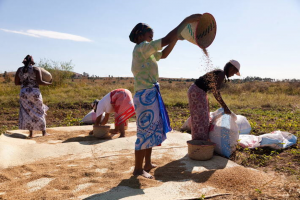
With each day that passes, more lives are at stake as hunger tightens its grip in southern Madagascar. This is the stark warning from two United Nations agencies, the Food and Agriculture Organization (FAO) and the World Food Programme (WFP), as they seek to draw international attention to a humanitarian crisis that risks being invisible. Around 1.14 million people in the south of Madagascar are facing high levels of acute food insecurity, of which nearly 14 000 people are in ‘Catastrophe' (Phase 5 - the highest in the five-step scale of the Integrated Food Security Phase Classification (IPC).

The circadian clock plays essential roles in diverse plant biological processes, such as flowering, phytohormone biosynthesis and abiotic stress responses. The manner in which circadian clock genes regulate drought stress responses in model plants has been well established, but comparatively little is known in crop species, such as soybean, a major global crop. This paper reports that the core clock components GmLHYs, the orthologues of CCA1/LHY in Arabidopsis,