


News & Events
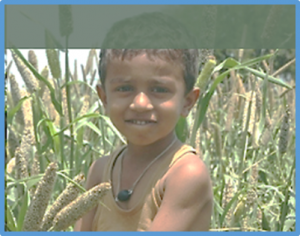
In order to enhance the annual rate of genetic gains in crop improvement programs, the Accelerated Crop Improvement initiative was recently unveiled at ICRISAT. It is expected that, with this, the efficiency of the crop improvement programs for crops grown in drylands will receive a boost.
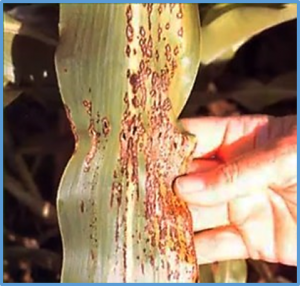
With sorghum poised to become an important crop grown by Pennsylvania farmers, Penn State researchers, in a new study, tested more than 150 germplasm lines of the plant for resistance to a fungus likely to hamper its production.
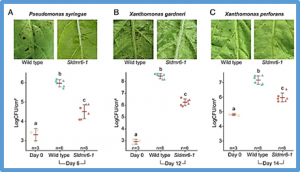
Plant diseases are among the major causes of crop yield losses around the world. To confer disease resistance, conventional breeding relies on the deployment of single resistance (R) genes. However, this strategy has been easily overcome by constantly evolving pathogens. Disabling susceptibility (S) genes is a promising alternative to R genes in breeding programs, as it usually offers durable and broad-spectrum disease resistance. In Arabidopsis, the S gene DMR6 (AtDMR6) encodes an enzyme identified as a susceptibility factor to bacterial and oomycete pathogens.
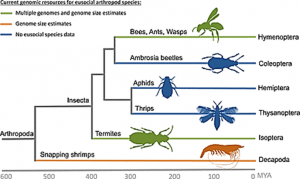
A fundamental challenge in biology is explaining the evolution of novel phenotypes such as the origins of eusocial behavior. Eusociality—defined by overlapping generations, reproductive division of labor, and cooperative brood care (1)—has evolved at least 17 times in arthropods (2): widespread in the social Hymenoptera (ants, bees, and wasps) and observed in other orders (aphids, ambrosia beetles, termites, thrips, and snapping shrimp; Fig. 1).
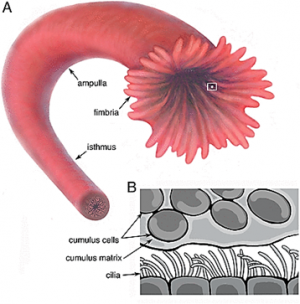
A critical step in fertilization of eutherian mammals is the “pickup” of oocytes (eggs) by the oviduct (fallopian tube) from the surface of the ovary. In the ovary, each oocyte matures within a follicle, in which it is surrounded by supportive granulosa cells. As the time of ovulation nears, the granulosa cells close to the oocyte transform into cumulus cells, which begin secreting a hydrated elastic extracellular matrix (1).
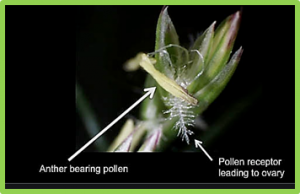
The optimization of phenology is a major goal of plant breeding addressing the production of high-yielding varieties adapted to changing climatic conditions. Flowering time in cereals is regulated by genetic networks that respond predominately to day length and temperature. Allelic diversity at these genes is at the basis of barley wide adaptation. Detailed knowledge of their effects, and genetic and environmental interactions will facilitate plant breeders manipulating flowering time in cereal germplasm enhancement, by exploiting appropriate gene combinations.

Science, technology and innovation are essential to accelerate the transformation of agri-food systems and combat hunger and malnutrition, the Director-General of the Food and Agriculture Organization of the United Nations (FAO), QU Dongyu, said today.The Director-General was speaking at the opening of the Science Days, a virtual conference organized by the Scientific Group of the UN Food Systems Summit and facilitated and hosted by FAO (8-9 July).
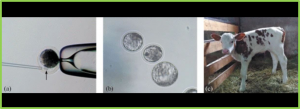
Researchers from the Ernst Federal Science Center for Animal Husbandry, Skolkovo Institute of Science and Technology (Skoltech), Moscow State University, and their colleagues have produced the first viable cloned calf in Russia – and she recently turned one. See https://www.isaaa.org/kc/cropbiotechupdate/article/default.asp?ID=18879
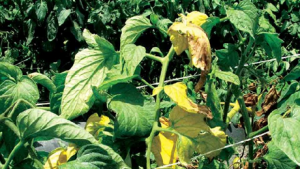
Tomato (Solanum lycopersicum) production is increasingly threatened by Fusarium wilt race 3 (Fol3) caused by the soilborne fungus, Fusarium oxysporum f. sp. lycopersici. Although host resistance based on the I-3 gene is the most effective management strategy, I-3 is associated with detrimental traits including reduced fruit size and increased bacterial spot sensitivity. Previous research demonstrated the association with bacterial spot is not due to the I-3 gene, itself, and we hypothesize that reducing the size of the I-3 introgression will remedy this association.
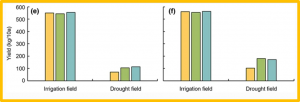
Researchers in Korea conducted a study to determine the environmental safety of a drought tolerant rice variety in terms of selected agricultural traits and gene flow. They concluded that genetically modified (GM) rice can be used as a means to address the food problem caused by climate change. The researchers focused on GM rice varieties HV8 and HV23 which carry the CaMsrB2 gene insertion. The gene functions as a defense regulator against oxidative stress in rice.
The University of Natural Resources and Life Sciences in Austria and partners discovered that microbes from cow rumen could degrade three types of plastics, a breakthrough that could be vital in sustainable plastic degradation and the recycling process. The findings are published in Frontiers in Bioengineering and Biotechnology.
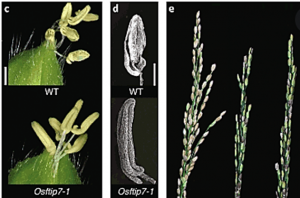
Anther culture, a doubled haploid (DH) technique, has become an important technology in many plant-breeding programmes. Although anther culturability is the key factor in this technique, its genetic mechanisms in rice remain poorly understood. In this study, we mapped quantitative trait loci (QTLs) responsible for anther culturability by using 192 recombinant inbred lines (RILs) derived from YZX (Oryza sativa ssp. indica) × 02428 (Oryza sativa ssp. japonica) and a high-density bin map. A total of eight QTLs for anther culturability were detected in three environments.