


News & Events

In 2018, the government of the United Kingdom disagreed with the European Court of Justice ruling that genome-edited organisms should be regulated the same way as genetically modified organisms even when the outcome was a product of traditional breeding methods. This led to an interest in reviewing the regulation of genome editing, which requires changing the definition of a GMO in legislation.

- Online meeting to assess the theme of "Cassava Yield Trial of HL-S12 genotype" on June 2nd 2021
- Online meeting to assess the final report of "Integrated and advanced practices on cashew nut farms based on value chain for export" on June 21 2021
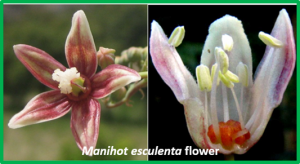
This paper reviews and analyzes key features from cassava breeding at the International Center for Tropical Agriculture (CIAT) over 50 years and draws lessons for public breeding efforts broadly. The breeding team, jointly with national program partners and the private processing sector, defined breeding objectives and guiding business plans. These have evolved through the decades and currently focus on four global product profiles.

The National Food Strategy, the United Kingdom's first commissioned independent review of the government's food policy, was launched last week. Leading groups in the United Kingdom's crop improvement pipeline, from fundamental and applied genetic science to commercial plant breeding, have issued a joint call on the Government to take action on regulation and R&D to harness the unique contribution of plant genetics in securing a more sustainable food future.
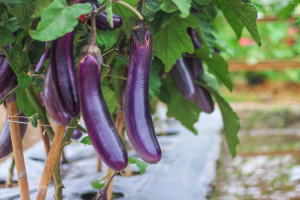
Bt eggplant event EE-1 is resistant to eggplant fruit and shoot borer, the most destructive pest of eggplant. It was developed by experts from the Institute of Plant Breeding of the University of the Philippines Los Baños, making it the first Filipino biotech product. A commercial planting approval is necessary before farmers in the Philippines can avail themselves of the benefits of the Bt crop.
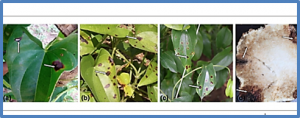
Yam (Dioscorea spp.) anthracnose, caused by Colletotrichum alatae, is the most devastating fungal disease of yam in West Africa, leading to 50%–90% of tuber yield losses in severe cases. In some instances, plants die without producing any tubers or each shoot may produce several small tubers before it dies if the disease strikes early. C. alatae affects all parts of the yam plant at all stages of development, including leaves, stems, tubers, and seeds of yams, and it is highly prevalent in the yam belt region and other yam-producing countries in the world. Traditional methods adopted by farmers to control the disease have not been very successful. Fungicides have also failed to provide long-lasting control.
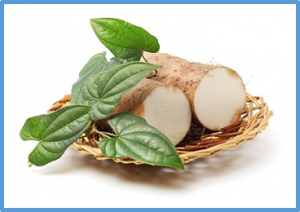
Yam is a very important crop in Africa but its industry is continuously threatened by fungal diseases that cause 50-90% of tuber yield loss. To help address this, scientists came up with a review that details the potentials of modern biotechnology tools to produce fungus-resistant cultivars without having to undergo the stringent process of traditional breeding. Yam anthracnose caused by Colletotrichum alatae is a devastating fungal disease in West Africa

A study conducted by Wageningen University and Research reveals more than 820 million people in the world do not have enough food, while climate change and increasing competition for land and water are further raising concerns about the future balance between food demand and supply. The study published in the journal Nature Food focused on the two key food security indicators, future food demand, and population at risk of hunger.
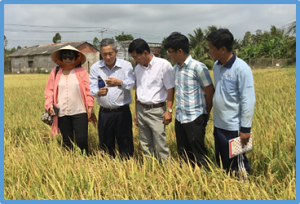
Heat events during the reproductive stages of rice plants induce great yield losses. Cultivating heat-tolerant varieties is a promising strategy for guaranteeing grain security under global warming scenarios. Most heat-tolerant rice genotypes were identified under heat during the flowering stage, but it is unclear whether these currently screened heat-tolerant rice genotypes maintain stable high grain yields when heat stress occurs during the other reproductive stages. In the present study, two notable heat-tolerant rice cultivars, Nagina22 and Shanyou63, and one typical heat-sensitive cultivar, Liangyoupeijiu, were evaluated for their yield response and yield stability under heat treatments during the panicle initiation, flowering, and grain filling stages during 2010-2014.
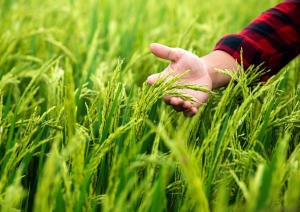
A group of scientists from the University of Chicago, Peking University, and Guizhou University has found a genetic tweak that targets RNA to help grow crops that yield significantly more food and show increased drought tolerance.In their initial tests, the scientists found that adding a gene encoding for a protein called FTO to both rice and potato plants increased yields by 50 percent in field tests.

Researchers from CSIRO, together with 2Blades Foundation, reported a gene in the stem rust fungus that triggers resistance in the host plant, providing a clue for scientists to develop disease-resistant wheat varieties. Their findings are published in Nature Plants. Wheat is one of the most important crops globally and provides about 20 percent of calories and protein for human nutrition. Stem rust, a virulent wheat disease caused by Puccinia graminis f. sp. tritici (Pgt),
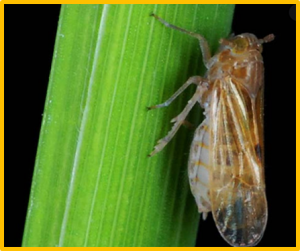
The study shows that seed dressing with TFM resulted in elevated levels of oxalic acid, flavonoids, phenolic substances, callose and other compounds associated with Nilaparvata lugens resistance in rice plants, and low TFM residue content in rice plant stem and grain. Host choice behavioral experiments showed that N. lugens females prefer feeding on untreated rice plants.