


News & Events

Researchers from the Chinese Academy of Sciences and Zhejiang University used CRISPR-Cas9 gene editing technology to investigate the molecular mechanism of OsFtsH2. The results are reported in BMC Plant Biology.At present, there are nine filamentation temperature-sensitive H (FtsH) proteins found in rice, but their roles remain unknown. Thus, the researchers developed several osftsh2 knockout mutants using CRISPR-Cas9.

DHA canola, a genetically engineered Brassica napus (OECD Unique Identifier NS-B5ØØ27-4), has been developed as one of the first land-based production systems for omega-3 long-chain polyunsaturated fatty acids (LCPUFA), whose health benefits are well-established. Yet, the marine sources of these nutrients are under high pressures due to over-fishing and increasing demand. DHA canola is a plant-based source for these essential fatty acids that produces a high level of docosahexaenoic acid (DHA). This terrestrial system allows for sustainable, scalable and stable production of omega-3 LCPUFA that addresses not only the increasing market demand, but also the complex interplay of agriculture, aquaculture, and human nutrition.

Scientists in the United Kingdom are applauding the decision from its government to review regulations around gene editing which could allow the UK to revise the rules on the use of gene editing technologies that can enable changes in an organism's DNA to allow it to become more precise and efficient. This, according to them, is the most significant policy breakthrough in UK plant breeding for more than 20 years.

The Australian Office of the Gene Technology Regulator (OGTR) has received a license application (DIR 186) from The University of Adelaide to conduct a field trial of genetically modified (GM) wheat and barley with yield enhancement and improved abiotic stress tolerance.The trial is proposed to take place between April 2022 and January 2027, on a maximum of two sites per year, with a combined total of 2 hectares across both sites in any year.

Overexpression of GA20 oxidase gene has been a recent trend for improving plant growth and biomass. Constitutive expression of GA20ox has successfully improved plant growth and biomass in several plant species. However, the constitutive expression of this gene causes side-effects, such as reduced leaf size and stem diameter, etc. To avoid these effects, we identified and employed different tissue-specific promoters for GA20ox overexpression. In this study, we examined the utility of At1g promoter to drive the expression of GUS (β-glucuronidase) reporter and AtGA20ox genes in tobacco and Melia azedarach.

Calyxt, Inc., developer of the high oleic soybean oil Calyno, will be developing another improved soybean capable of producing oil as a commercial alternative to palm oil.The palm oil alternative will be developed with a leading global food ingredient manufacturer in Asia. They aim to improve soybean with better health benefits and with oil that addresses sustainability challenges linked to palm oil including food miles and palm's oil effect on biodiversity.
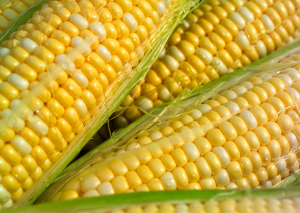
The U.S Department of Agriculture's (USDA) Animal and Plant Health Inspection Service (APHIS) has announced the deregulation of a maize variety known as PY203, developed by Agrivida, Inc., to produce phytase enzymes for nutritionally enhanced animal feed. The effective date of deregulation is September 21, 2021.In the document Determination of Nonregulated Status for Agrivida PY203 Maize, APHIS states that the new plant variety PY203 maize (AGY-PY203-4)
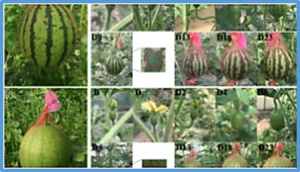
Stripe pattern is an important commodity trait in watermelon, displaying diverse types. In this study, two segregating populations were generated for genetic mapping the single dominant locus ClSP, which was finally delimited to a 611.78 Kb interval with suppression of recombination. According to polymorphism sites detected among genotypes, four discrete haploblocks were characterized in this target region. Based on reference genomes, 81 predicted genes were annotated in the ClSP interval, including seven transcription factors namely as candidate No1-No7. Meanwhile, the ortholog gene of cucumber ist responsible for the irregular stripes was considered as candidate No8.

The 2021 Nobel Prize in Physics has been awarded to three Laureates "for groundbreaking contributions to our understanding of complex physical systems" and whose work improved the understanding of the Earth's changing climate. The announcement was made on October 5, 2021. Syukuro Manabe demonstrated how increased levels of carbon dioxide in the atmosphere lead to increased temperatures at the Earth's surface. In the 1960s, Manabe led the development of physical models of the Earth's climate and his work laid the foundation for the development of current climate models.

A study conducted by the University of Oxford scientists confirms that COVID vaccines can decrease the risk of passing on the Delta variant to their unvaccinated close contacts. However, this protection dwindles alarmingly at three months after the second shot was administered. The study further examines the effect of vaccines on the transmission of Alpha and Delta variants. The researchers found that although the vaccines offer some protection against infection and transmission, the Delta variant can decrease that protection.
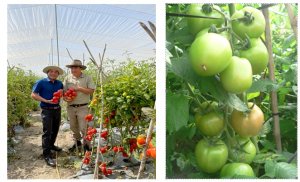
Department of Crop Production of MARD certified in September 13 2021 that the tomato variety NT 8 by Nguyen The Nhuan et al. from Dalat Research Center of Potato, Vegetable and Flower is officially released in large scale production.
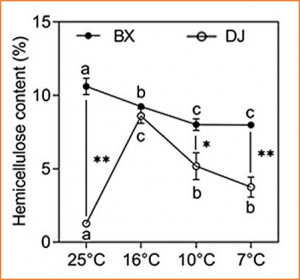
The cell wall plays an important role in responses to various stresses. The cellulose synthase-like gene (Csl) family has been reported to be involved in the biosynthesis of the hemicellulose backbone. However, little information is available on their involvement in plant tolerance to low-temperature (LT) stress. In this study, a total of 42 Csls were identified in Musa acuminata and clustered into six subfamilies (CslA, CslC, CslD, CslE, CslG, and CslH) according to phylogenetic relationships. The genomic features of MaCsl genes were characterized to identify gene structures, conserved motifs and the distribution among chromosomes.