


News & Events
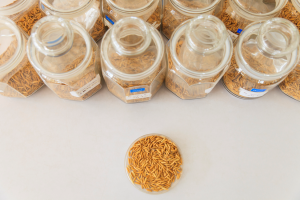
Researchers from the Chinese Academy of Sciences and Zhejiang University used CRISPR-Cas9 gene editing technology to investigate the molecular mechanism of OsFtsH2. The results are reported in BMC Plant Biology. At present, there are nine filamentation temperature-sensitive H (FtsH) proteins found in rice, but their roles remain unknown. Thus, the researchers developed several osftsh2 knockout mutants using CRISPR-Cas9.

Scientists from the United States and Australia recently published their work on the food and feed safety study of DHA canola, genetically engineered Brassica napus, which revealed its safety for use in human foods, nutraceuticals or animal feeds. This brings the DHA canola a step closer to being part of a solution to alleviate the high pressure in marine resources for the production of omega 3 fatty acids.
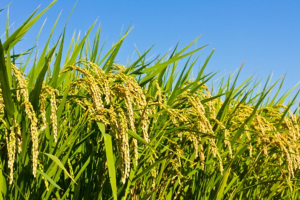
Nitrogen (N) as a macronutrient is an important determinant of plant growth. The excessive usage of chemical fertilizers is increasing environmental pollution; hence, the improvement of crop’s nitrogen use efficiency (NUE) is imperative for sustainable agriculture. N uptake, transportation, assimilation, and remobilization are four important determinants of plant NUE. Oryza sativa L. (rice) is a staple food for approximately half of the human population, around the globe and improvement in rice yield is pivotal for rice breeders. The N transporters, enzymes indulged in N assimilation, and several transcription factors affect the rice NUE and subsequent yield.

Scientists at the Leibniz Institute for Plant Biochemistry (IPB) in Halle have used genetic engineering methods to produce purple tomatoes using dye from beetroot. The scientists smuggled the genes for the biosynthesis of betanin into the plants and activated them in the ripening fruits. Betanin is not originally formed in tomatoes and comes from beetroot as a natural food coloring. Like many dyes, betanin has a strong antioxidant effect. The purple fruits produced could also serve as a source of betanin for food coloring.

A group of experts from Radboud University in The Netherlands documented that informing people of a scientific consensus opposing their false beliefs, especially about genetically modified (GM) foods, can help to correct those beliefs. The strategy can be beneficial in campaigns to counter misinformation about the benefits of GM foods.The researchers were determined to investigate if helping people understand and identify scientific consensus at first could help change their beliefs and lead them to better scientific understanding.
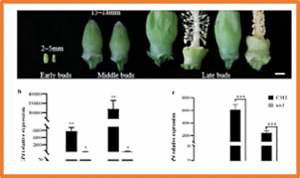
Utilization of heterosis is an important way to increase cotton yield and improve fiber quality in hybrid cotton development programs. Male sterility is used in the development of cotton hybrids to reduce the cost of hybrid seed production by eliminating the process of emasculation. From the transcriptome analysis of genic male sterile mutant (ms1) and its background C312 of G. hirsutum, a gene encoding germin-like protein (GhGLP4) was found significantly down-regulated in different developmental stages of ms1 anthers. To explore the gene function in cotton fertility, GhGLP4 was further studied and interfered by virus-induced gene silencing.

Genome editing tools including ZFNs, CRISPR, megaTALs, and TALENs are becoming more popularly used by molecular and cell biologists. These techniques are revolutionizing the creation of precisely edited genomes to change a specific characteristic of an organism. Gene drives have also changed how the inheritance of traits is controlled to address the specific needs of society.

A team of Finnish scientists was able to produce coffee cells in a bioreactor through cellular agriculture. The end-product is said to smell and taste like conventional coffee. The discovery is proof that cellular agriculture is one option to achieve sustainable food production.The scientists took to cellular agriculture as an alternative for conventional coffee production in order to decrease the acreage needed for coffee plantations that usually result in deforestation.
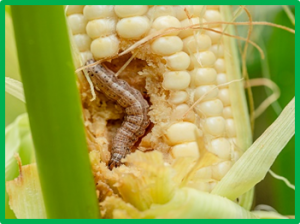
Spodoptera frugiperda (fall armyworm) is a notorious pest that threatens maize production worldwide. Current control measures involve the use of chemical insecticides and transgenic maize expressing Bacillus thuringiensis (Bt) toxins. Although additional transgenes have confirmed insecticidal activity, limited research has been conducted in maize, at least partially due to the technical difficulty of maize transformation.

A team of researchers led by the Imperial College London and the Queen Mary University of London have mapped a key process in energy conversion in plants. This study could help scientists improve the resilience of important crops and engineer bacteria that can produce useful compounds such as pharmaceuticals more sustainably.
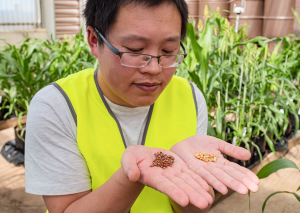
Researchers at The University of Queensland are optimistic the value and versatility of sorghum, one of the world's top crops, will be improved following the discovery of genes that could increase the grain size of the crop.Queensland Alliance for Agriculture and Food Innovation (QAAFI) Research Fellow Dr. Yongfu Tao initially mapped the sorghum genome to identify genes associated with grain size, narrowing the search with existing genetic information for rice and maize
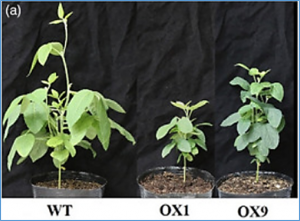
MYB transcription factors (TFs) have been reported to regulate the biosynthesis of secondary metabolites, as well as to mediate plant adaption to abiotic stresses, including drought. However, the roles of MYB TFs in regulating plant architecture and yield potential remain poorly understood. Here, we studied the roles of the dehydration-inducible GmMYB14 gene in regulating plant architecture, high-density yield and drought tolerance through the brassinosteroid (BR) pathway in soybean.