


News & Events
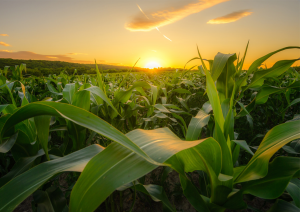
The study reveals that maize crop yields are projected to decline 24%, while wheat could potentially see growth of about 17%. Using two advanced climate and agricultural models, the study found that the change in yields is due to projected increases in temperature, shifts in rainfall patterns, and elevated surface carbon dioxide concentrations from human-caused greenhouse gas emissions.
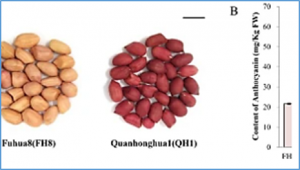
Peanut with red testa has higher nutritional and economic value than the traditional pink testa varieties. Identification of genes controlling red testa color will accelerate the breeding program and facilitate uncovering the genetic mechanism. In this study, in order to identify gene underlying the red testa color in peanut, a F2 population derived from a cross between a pink testa peanut variety “Fuhua 8” and a red testa variety “Quanhonghua 1” was constructed.
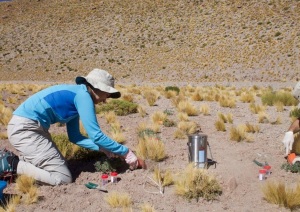
An international research team has identified genes associated with plant survival in Chile's Atacama Desert, one of the harshest environments on Earth. The discovery will help scientists breed resilient crops that will thrive in drier climates. The Atacama Desert in northern Chile, sandwiched between the Pacific Ocean and Andes Mountains, is the driest place on the planet, excluding the poles.
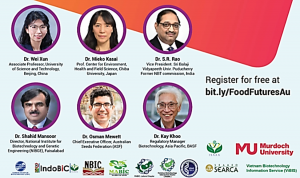
Recent developments in the regulatory status of gene-edited crops across the world are opening up significant commercial opportunities for agribusiness. The sustainability of food value chains depends on a robust science-policy-society interface. This webinar will bring together important scientific and regulatory updates in Asia and Australia that relate to the future of gene-edited plant products.
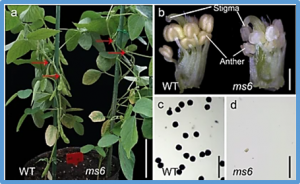
Soybean (Glycine max (L.) Merr.) is an important crop providing vegetable oil and protein. The male sterility-based hybrid breeding is a promising method for improving soybean yield to meet the globally growing demand. In this research, we identified a soybean genic male sterile locus, MS6, by combining the bulked segregant analysis sequencing method and the map-based cloning technology. MS6, highly expressed in anther, encodes an R2R3 MYB transcription factor (GmTDF1-1) that is homologous to Tapetal Development and Function 1, a key factor for anther development in Arabidopsis and rice.
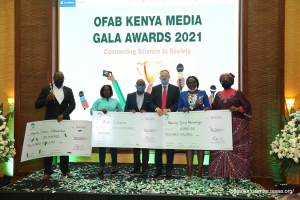
The Kenya Chapter of Open Forum on Agricultural Biotechnology in Africa (OFAB-Kenya) has celebrated exemplary science journalism and feted three top journalists for their contribution in promoting agricultural biotechnology. The celebrations were held during a media awards gala held in Nairobi on October 28, 2021.Speaking during the event, Australian High Commissioner to Kenya His Excellency Luke Joseph Williams,

A report released by All European Academies (ALLEA) highlights the latest scientific evidence and safety of genome-edited crops as well as their potential to help alleviate agricultural challenges. Despite these findings, scientists in Europe are still concerned that legislation by the European Union will impede research, causing the continent to fall behind the other parts of the world where regulations are more open to the new technology.
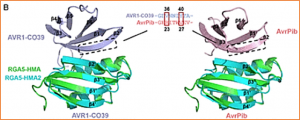
Plant nucleotide-binding and leucine-rich repeat (NLR) receptors recognize avirulence effectors directly through their integrated domains (IDs) or indirectly via the effector-targeted proteins. Previous studies have succeeded in generating designer NLR receptors with new recognition profiles by engineering IDs or targeted proteins based on prior knowledge of their interactions with the effectors. However, it is yet a challenge to design a new plant receptor capable of recognizing effectors that function by unknown mechanisms.

Policy makers must find a way to “feed the world and save the planet at the same time,” QU Dongyu, Director-General of the Food and Agriculture Organization of the United Nations (FAO), said at the G20 Leaders Summit in Rome on Sunday.“Climate change will compromise our ability to produce sufficient amounts of nutritious foods and increase poverty and deepen inequalities,” Qu warned, on the eve of COP climate conference in Glasgow.
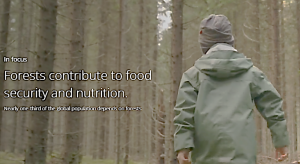
Income derived from forest products and services supports better access to food and nutrition, not only for those who earn income directly from forests but indirectly in rural communities through consumption and investment links. Forest and farm producer organizations help rural communities increase their capacity to start and manage businesses, sell their products, and access social and cultural services. Cooking is the main way to ensure proper nutrient absorption.
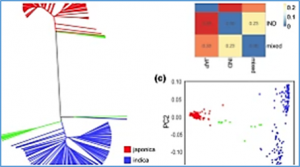
Seed dormancy is a key agricultural trait to prevent pre-harvest sprouting in crop plants such as rice (Oryza sativa L.), wheat (Triticum aestivum), and barley (Hordeum vulgare L.). However, our knowledge of seed dormancy is hampered by the complexities of studying a trait that changes over time after seed harvest, and is complicated by interactions between phytohormones, seed coat components and the environment.

The potential of agribiotech to contribute to sustainable agriculture depends on research and development, as well as the integration of other factors, such as effective communication, science-based national regulatory frameworks, and an adequate understanding of international legal instruments. Strong collaboration among key players in the agri-biotech and biosafety arena is important, so that science and regulation can evolve and society can benefit from modern biotechnology while risks are minimized.