


News & Events
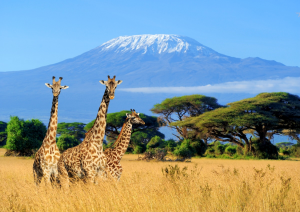
The African BioGenome Project (AfricaBP) aims to sequence the genomes of more than 100,000 African endemic species. It is an effort by African scientists to safeguard African biodiversity while bringing genomics and bioinformatics capacities closer to the African people. The project, which involves more than 100 African scientists from five African Union regions and 22 African organizations, intends to sequence the genomes of African plant, animal, fungus, protist, and other eukaryotic species.

The past two years of the COVID-19 pandemic have presented several concerns on global food security, and the Russia-Ukraine conflict further adds a significant impact on the world's food supply. Qu Dongyu, Director-General of the Food and Agriculture Organization of the United Nations (FAO), presented the current scenario and gave policy recommendations in an opinion article. Qu discussed that Russia and Ukraine both play significant roles in global food production and supply.
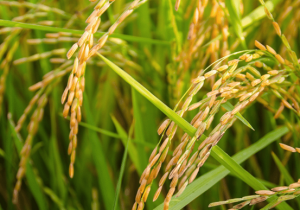
Rice (Oryza sativa L.) is one of the most important crops in the world. Since the completion of rice reference genome sequences, tremendous progress has been achieved in understanding the molecular mechanisms on various rice traits and dissecting the underlying regulatory networks. In this review, we summarize the research progress of rice biology over past decades, including omics, genome-wide association study, phytohormone action, nutrient use, biotic and abiotic responses, photoperiodic flowering, and reproductive development (fertility and sterility).
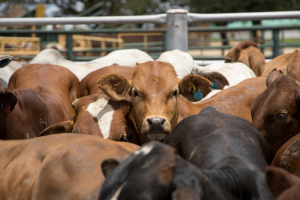
The U.S. Food and Drug Administration has announced the low-risk determination for the marketing of products derived from genome-edited beef cattle. The decision is the first low risk determination for marketing of products from an intentional genomic alteration (IGA) in an animal for food use. IGA refers to changes introduced into the DNA of animals using biotechnological techniques, including genome editing.

Over 567 individuals and 22 large scientific organizations, and still counting, have signified their support to equitable and open policy solutions for Digital Sequence Information (DSI) through signing the open letter released by the DSI Scientific Network. According to the letter, the signatories recognize that this is a critical time for the Convention on Biological Diversity (CBD) and the outcomes of the Conference of Parties in 2022 (COP 15) will influence the use and access to DSI in the coming years.
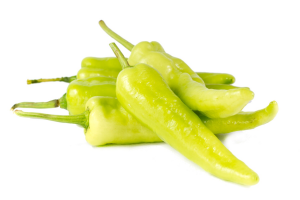
In pepper (Capsicum annuum L.), the common colors of immature fruits are yellowish white, milky yellow, green, purple, and purplish black. Genes related to dark green, white, and purple immature fruits have been cloned; however, only a few studies have investigated light-green immature fruits. Here, we performed a genetic study using light-green (17C827) and green (17C658) immature fruits.
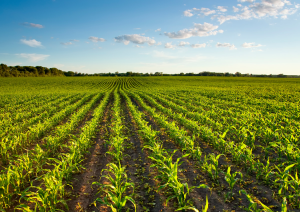
Oxitec Ltd. has announced the successful conclusion of the first farm-scale pilot deployments of its Friendly™ fall armyworm on commercial Bt cornfields in Brazil. The Brazilian government's regulatory authorities approved the Friendly™ fall armyworm technology in 2021. The pilot deployments were conducted on thousands of acres of commercial farmland in São Paulo State, a key corn-growing region in Brazil, during the first annual corn crop season of 2021-2022.
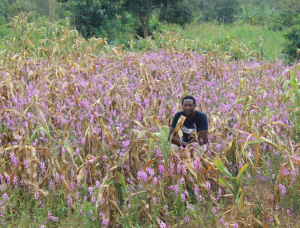
Kenya's National Biosafety Authority (NBA) has published Genome Editing Guidelines, marking an important step towards the development of a genome editing regulatory framework in the country. After Nigeria, Kenya becomes the second African country to publish such guidelines. The published guidelines provide clarity on which genome-edited organisms and/or derived products will be regulated under Kenya's Biosafety Act, and which products are regulated as conventional varieties or breeds.
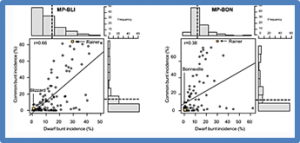
Common bunt, caused by Tilletia caries and T. laevis, and dwarf bunt, caused by T. controversa, negatively affect grain yield and quality of wheat and are particularly destructive in low-input and organic production systems. Two recombinant inbred line (RIL) populations derived by crossing the highly and durably resistant cultivars ‘Blizzard’ and ‘Bonneville’ to the susceptible cultivar ‘Rainer’ were evaluated for their resistance to common and dwarf bunt in artificially inoculated field and greenhouse trials over two growing seasons and genotyped with a 15 K SNP array
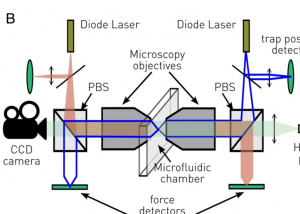
Understanding the molecular forces driving the unfolded polypeptide chain to self-assemble into a functional native structure remains an open question. However, identifying the states visited during protein folding (e.g., the transition state between the unfolded and native states) is tricky due to their transient nature. Here, we introduce calorimetric force spectroscopy in a temperature jump optical trap to determine the enthalpy, entropy, and heat capacity of the transition state of protein barnase
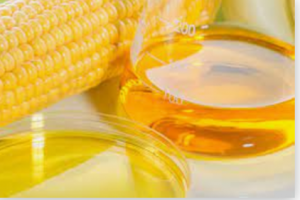
Agricultural interest groups promote corn ethanol as an environmentally beneficial alternative to gasoline, but many independent scientists have long questioned this view (1–3). Nevertheless, the United States has aggressively pursued measures to expand biofuel production. The key policy has been the Renewable Fuel Standard (RFS2) in the Energy Independence and Security Act of 2007, which requires greater use of ethanol up to the current level of 15 billion gallons annually.
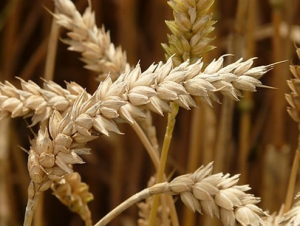
Increases in wheat grain yield are necessary to meet future global food demands. A previous study showed that loss-of-function mutations in FLOWERING LOCUS T2 (FT2) increase spikelet number per spike (SNS), an important grain yield component. However, these mutations were also associated with reduced fertility, offsetting the beneficial effect of the increases in SNS on grain number. Here, we report a natural mutation resulting in an aspartic acid to alanine change at position 10 (D10A) associated with significant increases in SNS and no negative effects on fertility.