


News & Events

Amundson’s letter (1) in response to our recent article (2) suggests that there are substantial challenges to the technologies that we envisioned being promising and/or needed to make the agricultural sector net negative. Aside from the difficulty in implementation, he makes no technical criticism of the findings.

Northrup et al. (1) suggest that, “through a combination of innovations in digital agriculture, crop and microbial genetics, and electrification, we estimate that a 71% (1,744 kg CO2e/ha) reduction in greenhouse gas emissions from row-crop agriculture is possible within the next 15 y.” The authors (1) propose that negative emissions in row-crop farming can be achieved in less than two decades by 1) optimizing existing technologies
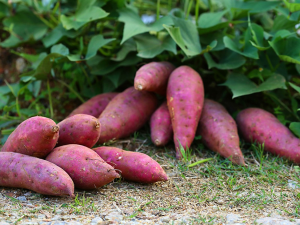
In this study, genome-wide characterization of F-box proteins in sweet potato yielded 243 IbFBX genes, unevenly distributed on the 15 chromosomes of sweet potato. Gene duplication analysis suggested segmental duplication as the principal factor influencing the expansive evolution of IbFBX genes in sweet potato. Phylogenetic analysis clustered F-box proteins in sweet potato, Arabidopsis, and rice into six clades (I-VI).

The World Health Organization (WHO) is releasing new guidelines on abortion care today, in a bid to protect the health of women and girls and help prevent over 25 million unsafe abortions that currently occur each year. “Being able to obtain safe abortion is a crucial part of health care,” said Craig Lissner, acting Director for Sexual and Reproductive Health and Research at WHO. “Nearly every death and injury that results from unsafe abortion is entirely preventable.

On World TB Day, WHO calls for an urgent investment of resources, support, care and information into the fight against tuberculosis (TB). Although 66 million lives have been saved since 2000, the COVID-19 pandemic has reversed those gains. For the first time in over a decade, TB deaths increased in 2020. Ongoing conflicts across Eastern Europe, Africa and the Middle East have further exacerbated the situation for vulnerable populations.
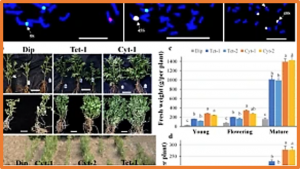
Polyploidization is an important approach in crop breeding for agronomic trait improvement, especially for biomass production. Cytochimera contains two or more mixed cells with different levels of ploidy, which is considered a failure in whole genome duplication. Using colchicine treatment with diploid (Dip) potato (Solanum chacoense) plantlets, this study generated tetraploid (Tet) and cytochimera (Cyt) lines, which, respectively, contained complete and partial cells with genome duplication
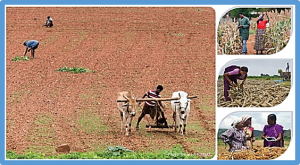
Anyone familiar with the combination of ‘biological material’ (high yielding varieties and hybrids), ‘water’ (assured irrigation), and ‘chemical inputs’ (fertilizers and plant protection chemicals) as the key to success in irrigated agriculture will be gullible to use the same principles for improving farming in the dryland ecosystems. The solutions to improving livelihoods in drylands, however, are far more complex and multifaceted.
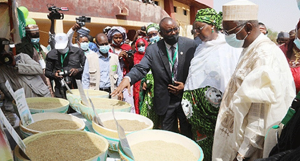
The event was organized by the Ministry of Agriculture under the leadership of Mrs Hadiza Bazoum, First Lady of Niger and President of the NOOR Foundation in partnership with ICRISAT and the National Institute of Agronomic Research of Niger (INRAN). The two-day event gathered key stakeholders for exhibitions, conference and debates around ‘Adaptation of Millet to the Context of Climate Change’ and to create awareness about nutritional and health benefits of millet.
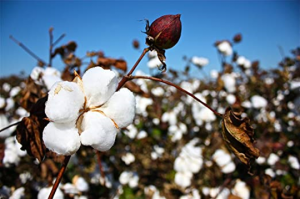
Cottonseed oil is increasingly becoming a promising target for edible oil with its high content of unsaturated fatty acids. In this study, a recombinant inbred line (RIL) cotton population was constructed to detect quantitative trait loci (QTLs) for the cottonseed oil content. A total of 39 QTLs were detected across eight different environments, of which five QTLs were stable. Forty-three candidate genes potentially involved in carbon metabolism, fatty acid synthesis and triacylglycerol biosynthesis processes were further obtained in the stable QTL regions.
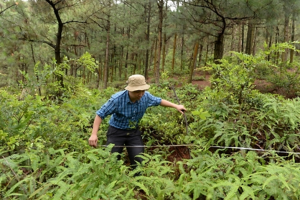
Interested in natural cosmetic products, ones that support local communities and don’t deplete our natural resources? You aren’t alone! Growing consumer interest in the environmental and ethical credentials of cosmetics has spurred interest in sustainably- and ethically-sourced beauty products, which include many forest products, also known as non-wood forest products (NWFPs).
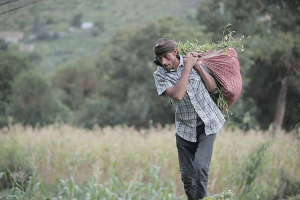
Yemen’s already dire hunger crisis is teetering on the edge of outright catastrophe, with 17.4 million people now in need of food assistance and a growing portion of the population coping with emergency levels of hunger, UN agencies have warned. The humanitarian situation in the country is poised to get even worse between June and December 2022, with the number of people who likely will be unable to meet their minimum food needs in Yemen possibly reaching a record 19 million people in that period,

Rice Growth-Regulating Factors (GRFs) were originally identified to be gibberellin (GA)-induced, but the nature of GA induction has remained unknown because most reports thereafter focused on revealing their roles in growth-promoting activities. GRFs have the WRC (Trp, Arg, Cys) domain to target DNA and contain the QLQ (Gln, Leu, Gln) domain to interact with GRF-Interacting Factor (GIF), which recruits ATP-dependent DNA translocase Switch/Sucrose Non-fermenting (SWI/SNF) for chromatin remodeling. Both GRFs and GIFs exhibit transcriptional activities but GIFs lack a DNA-binding domain.