


News & Events
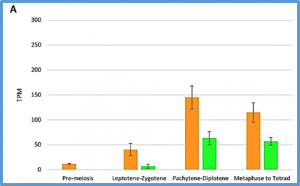
One of the most critical events in the process of cereal domestication was the loss of the natural mode of grain dispersal. Grain dispersal in barley is controlled by two major genes, Btr1 and Btr2, which affect the thickness of cell walls around the disarticulation zone. The barley genome also encodes Btr1-like and Btr2-like genes, which have been shown to be the ancestral copies. While Btr and Btr-like genes are non-redundant, the biological function of Btr-like genes is unknown.
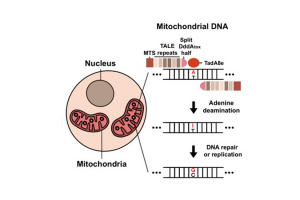
Institute for Basic Science (IBS) and Seoul National University researchers developed a gene editing tool than can precisely interchange adenine (A) with guanine (G) within the mitochondrial genome. This breakthrough, reported in the Cell journal, has the potential to expand the range of mitochondrial mutations that can help cure human genetic diseases.
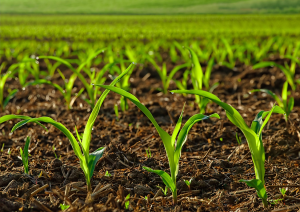
Federal authorities in Belgium have granted permission for the conduct of three new field trials for genome-edited maize. In these new trials, VIB scientists hope to confirm that the genome-edited maize plants are more resilient to climate stress and better digestible when exposed to actual field conditions.
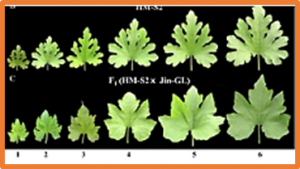
Leaf shape is an important horticultural trait in zucchini (Cucurbita pepo L.). Deeply lobed leaves have potential advantages for high-density planting and hybrid production. However, little is known about the molecular basis of deeply lobed leaf formation in this important vegetable crop. Here, we conducted QTL analysis and fine mapping of the deeply lobed leaf (CpDll) locus using recombinant inbred lines and large F2 populations developed from crosses between the deeply lobed leaf HM-S2, and entire leaf Jin-GL parental lines.
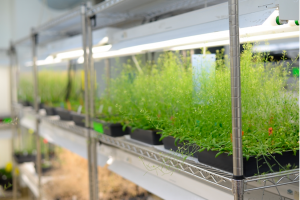
Researchers from various fields of expertise at Massachusetts Institute of Technology (MIT) are working together to reduce agriculture-driven emissions, combat climate change, and produce healthier crops. This multidisciplinary project titled “Revolutionizing agriculture with low-emissions, resilient crops” is one of the five flagship winners in the Climate Grand Challenges competition, which aims to tackle complex climate challenges and deliver timely revolutionary solutions.

This webinar is the first session in a series that aims to increase awareness of accurate, science-based information of different stakeholders about the benefits, possible risks and risk-management approaches, and regulatory system of modern biotechnologies. The first session is designed for the members of the Philippine judiciary, including justices, judges, court personnel, and lawyers.
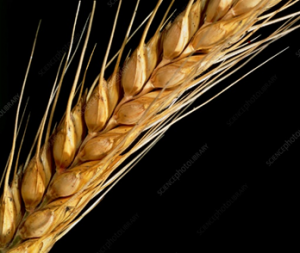
Bread wheat cultivars have been selected according to numerous quality traits to fulfill the requirements of the bread making industry. These include beside protein content and quality also rheological traits and baking volume. We evaluated 35 male and 73 female lines and 119 of their single-cross hybrids at three different locations for grain yield, protein content, sedimentation value, extensograph traits and baking volume.
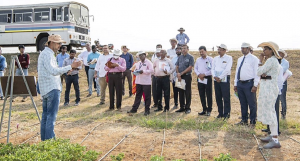
Groundnut Network Group – Asia is a platform of public and private sector partners along the groundnut value chain to engage in groundnut Product design, development, testing, and delivery. The GNG-A is also a platform for continued knowledge sharing on new tools and technologies that can be used in groundnut breeding and testing to enhance rate of genetic gains for key target traits, as well as share practices of selection by phenotyping and genotyping for the key traits
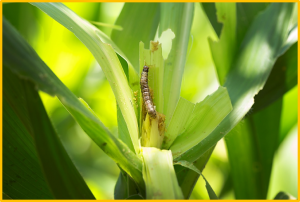
The Food and Agriculture Organization of the United Nations (FAO) is to extend its global drive against one of the world’s most invasive plant pests – fall armyworm – which is still destroying billions of dollars’ worth of crops despite progress and a raft of measures to tackle it. “Fall armyworm knows no boundaries and is continuing its rapid march across the globe," FAO Director-General QU Dongyu told the Steering Committee of the FAO Global Action for Fall Armyworm Control today as it endorsed a move to extend its timeline to the end of 2023 and broaden its scope.
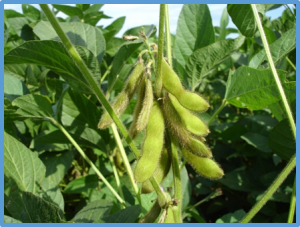
Here, we present association and linkage analysis of 985 wild, landrace and cultivar soybean accessions in a pan genomic dataset to characterize the major high-protein/low-oil associated locus cqProt-003 located on chromosome 20. A significant trait-associated region within a 173 kb linkage block was identified, and variants in the region were characterized, identifying 34 high confidence SNPs, 4 insertions, 1 deletion and a larger 304 bp structural variant in the high-protein haplotype.
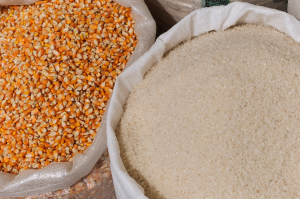
Researchers were able to identify a protein that regulates a quantitative trait locus that has the potential to increase kernel row number in maize ears and grain number per rice plant. They did this by comparing a specific genetic region in each plant and the results could provide opportunities for developing improved crops with enhanced production.

An online experiment involving participants from the United Kingdom (UK) and Switzerland was able to identify factors that affected the public's acceptance of products derived from genetic modification (GM) and genome editing. To improve people's perceptions and acceptance, risk communication must be conducted to dispel uncertainty about innovative food technology.