


News & Events
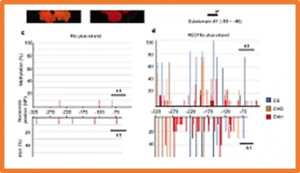
In plant breeding research, hybrid vigor in F1 hybrids is known to be a very important phenomenon. Hybrid vigor, or heterosis, refers to the fact that F1 hybrids from crosses with a certain combination of parents have traits that are superior to those of the parents. In addition, DNA methylation is an important factor that affects gene expression in plant genomes and contributes to hybrid vigor.

A study initiated by the Institute for Feed Education and Research (IFEEDER) found that using feeds free from genetically modified (GM) ingredients may cost more for players in the livestock and poultry industries. The act can also lead to increased greenhouse gas emissions and decreased chances of preserving biodiversity habitats.
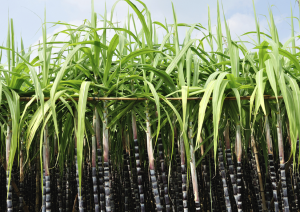
Brazilian sugarcane farmers are expected to double the area planted to biotech insect resistant sugarcane this year, according to Centro de Tecnologia Canavieira (CTC). The CTC estimates that the biotech sugarcane varieties resistant to stem borers will cover 70,000 hectares in the 2022/2023 season, up from 37,000 in the previous year.
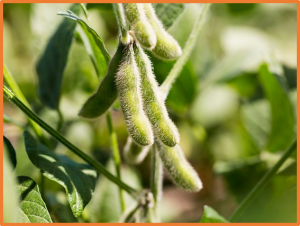
Traditional soybean (Glycine max L.) breeding has improved seed yield in high-input agricultural systems, under high nitrogen (N), phosphorus (P) and potassium (K) supply. The seed yield improvements under non-P supply and the seed protein and mineral content dilution by yield improvement were evaluated in 18 soybean cultivars released from 1995 to 2016 in south-east China. Soybean varieties were grown under rainfed conditions in the field under 0 and 35kgPha-1 in four sites: Dafang and Shiqian in the growing season of 2017 and Dafang and Puding in the 2018 season.
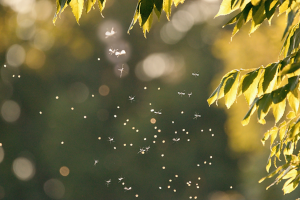
GM male Aedes aegypti mosquitoes carry a gene that is lethal to female offspring. As these engineered males mate with the wild females, the female offspring will expire before they can reproduce. The lethal gene is carried by the male offspring and passed on to half of their progeny. Eventually, the population of A. aegypti mosquitoes is expected to reduce significantly, preventing the transmission of vector-borne diseases such as Dengue, Zika, Chikungunya, and Yellow Fever.

The Australian Office of the Gene Technology Regulator (OGTR) has received a license application (DIR 191) from the International Flower Developments for the commercial release of genetically modified (GM) chrysanthemum with altered flower color. License application DIR 191 is for the commercial import and distribution of cut flowers of GM chrysanthemum altered for flower color. International Flower Developments seeks approval to sell the GM chrysanthemum Australia-wide.
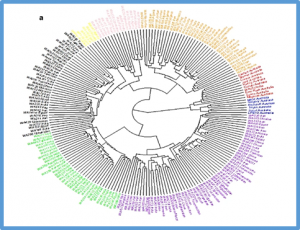
Sodic-dispersive soils have multiple subsoil constraints including poor soil structure, alkaline pH and subsoil toxic elemental ion concentration, affecting growth and development in wheat. Tolerance is required at all developmental stages to enhance wheat yield potential on such soils. An in-depth investigation of genome-wide associations was conducted using a field phenotypic data of 206 diverse Focused Identification of Germplasm Strategy (FIGS)
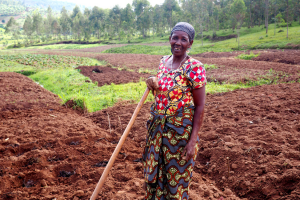
Researchers at the University for Development Studies conducted a survey to investigate the farmer perceptions and acceptance of GM technology in Ghana. The results, published in the African Journal of Agricultural Research, show that farmers have high hopes for the upcoming release of GM crops in the country. A total of 360 smallholder farmers from 10 districts in northern Ghana were interviewed and involved in focus group discussions.

GM oilseed rape 73496, GM cotton GHB811, and GM soybeans GMB151 are all modified for herbicide tolerance. All three GM crops have gone through a comprehensive and stringent procedure, including a favorable risk assessment by the European Food Safety Authority (EFSA). The authorization for the three crops and the renewal for GM herbicide cotton GHB614 are valid for 10 years and do not include cultivation.
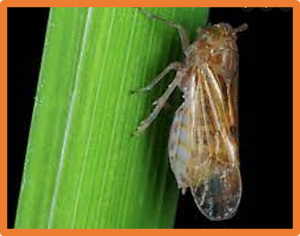
The brown planthopper (BPH), Nilaparvata lugens, is an important pest that affects rice (Oryza sativa) production in Asia. The flavone tricin (5,7,4'-trihydroxy-3',5'-dimethoxy flavone) is a valuable secondary metabolite commonly found in rice plants that can defend rice plants against infestation by BPH. BPH damage can reduce the metabolic level of tricin in rice. Our preliminary transcriptome research results showed that BPH salivary protein 7 (NlSP7), is highly responsive to tricin stimuli.

Experts from China and Germany published a review about the impact of novel plant breeding techniques on boosting cereal crops' production. The open-access article is released in Plants journal. Cereals are the major source of human food globally. With the continuously increasing demand for food, changing climate conditions, and prevalence of diseases, cereal production has been a challenge.
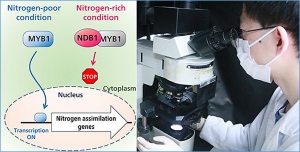
A research group at Tohoku University has discovered the protein that inhibits the formation of organic nitrogen compounds in plants. The protein could potentially be used to improve plant growth, biomass production, and crop yields. Nitrogen is important to humans and plants. Plants use nitrate or ammonium in the environment to synthesize organic nitrogen molecules in a process called nitrogen assimilation.