


News & Events
News & Events
Level Up Your Team's Biotech Updates Subscription
Wednesday, 11/02/2026 | 06:29:26
For nearly 30 years, ISAAA has been the world's most authoritative source for biotech crop adoption data. As the landscape of agricultural innovation evolves, so does the way we share knowledge. We are excited to announce our newly restructured subscription plans, specifically designed to equip corporate departments, research institutions, and policy teams with the data needed to stay ahead of global trends.
The DTH8-SD1 pair regulates panicle architecture in rice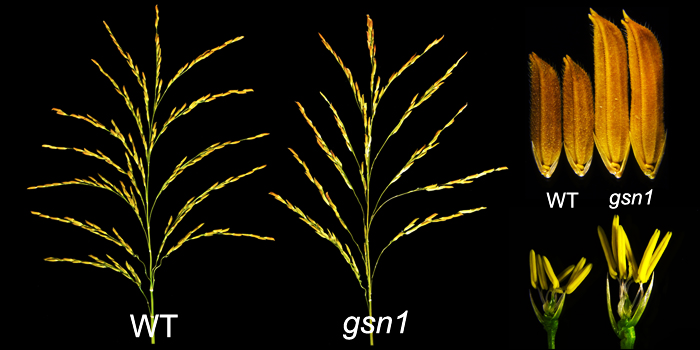
Tuesday, 10/02/2026 | 06:48:28
Rice yield-related traits are regulated by numerous quantitative trait loci (QTLs). Pyramiding these QTLs offers a promising strategy for crop yield improvement; however, this approach is constrained by the limited understanding of the interactions among these QTLs. In this study, we demonstrated that the QTL DTH8 significantly increases branch numbers, panicle length, and number of total grains per panicle in rice.
Europe's First Precision-Bred Oilseed Rape Moves to Commercial UK Farms
Tuesday, 10/02/2026 | 06:48:39
Europe's first precision-bred oilseed rape (OSR) is set to move from the laboratory to commercial farms under a new £2.5 million research project. The three-year initiative, titled LLS-ERASED (Light Leaf Spot Enhancing Resistance And reducing Susceptibility with EDiting), aims to help UK farmers combat light leaf spot, a devastating disease that caused over £300 million in yield losses in 2022. Led by the British On-Farm Innovation Network (BOFIN) in collaboration with researchers from the University of Hertfordshire and the John Innes Centre, the project is funded through Defra's Farming Innovation Programme and delivered in partnership with Innovate UK.
Africa launches push to close agricultural mechanization gap as landmark conference begins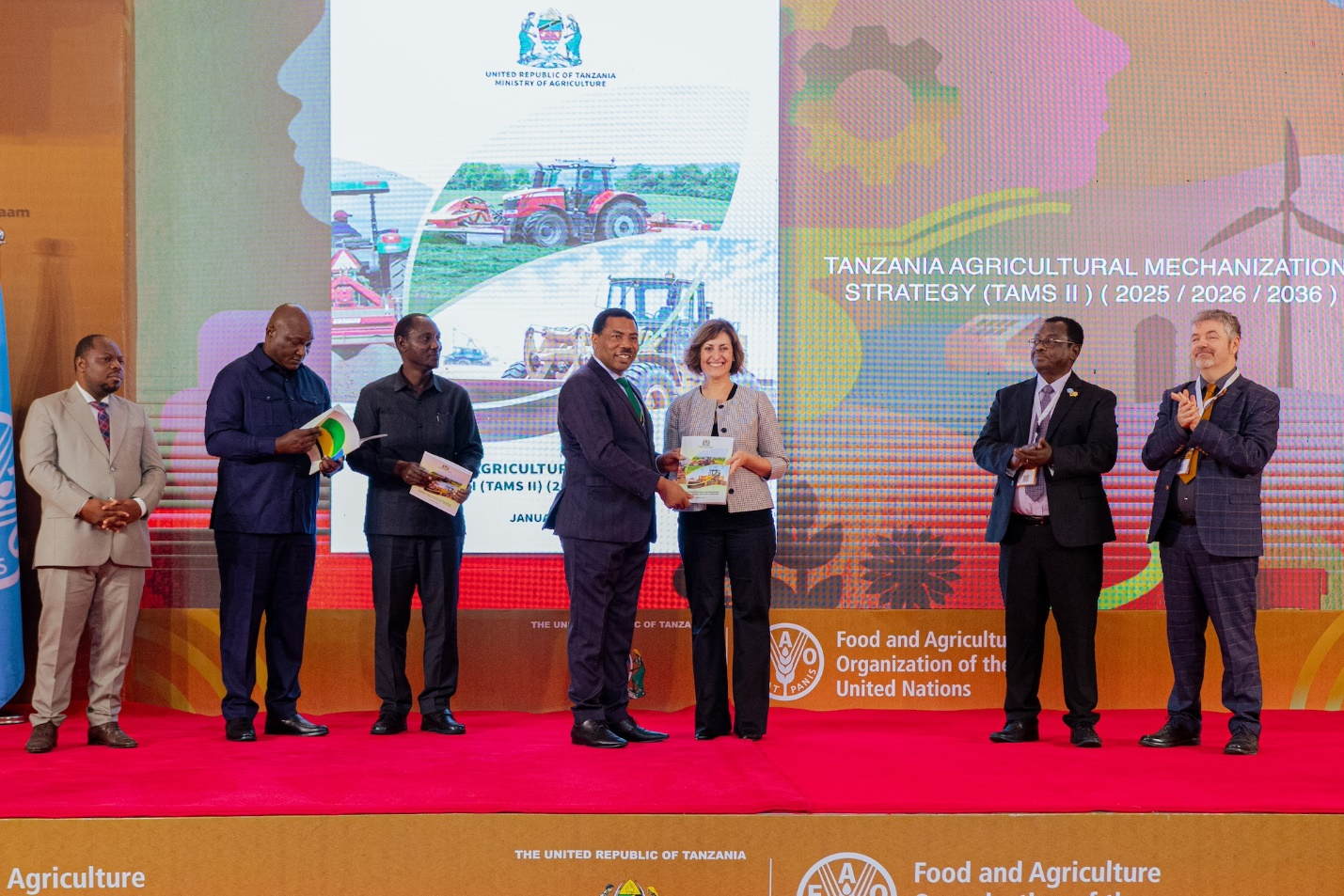
Tuesday, 10/02/2026 | 06:48:52
Africa’s push to accelerate sustainable agricultural mechanization gained fresh momentum today as the Prime Minister of the United Republic of Tanzania, Mwigulu L. Nchemba, launched Tanzania’s National Agricultural Mechanization Strategy 2026–2036 at the opening of the Africa Conference on Sustainable Agricultural Mechanization. Organized by the Food and Agriculture Organization of the United Nations (FAO) and hosted by the Government of the United Republic of Tanzania, the conference brings together governments, the private sector, researchers, development partners, youth and farmers to exchange experience, build partnerships and identify scalable solutions to advance sustainable agricultural mechanization across the continent.
Natural variation in VrERF088 modulates drought tolerance during mungbean germination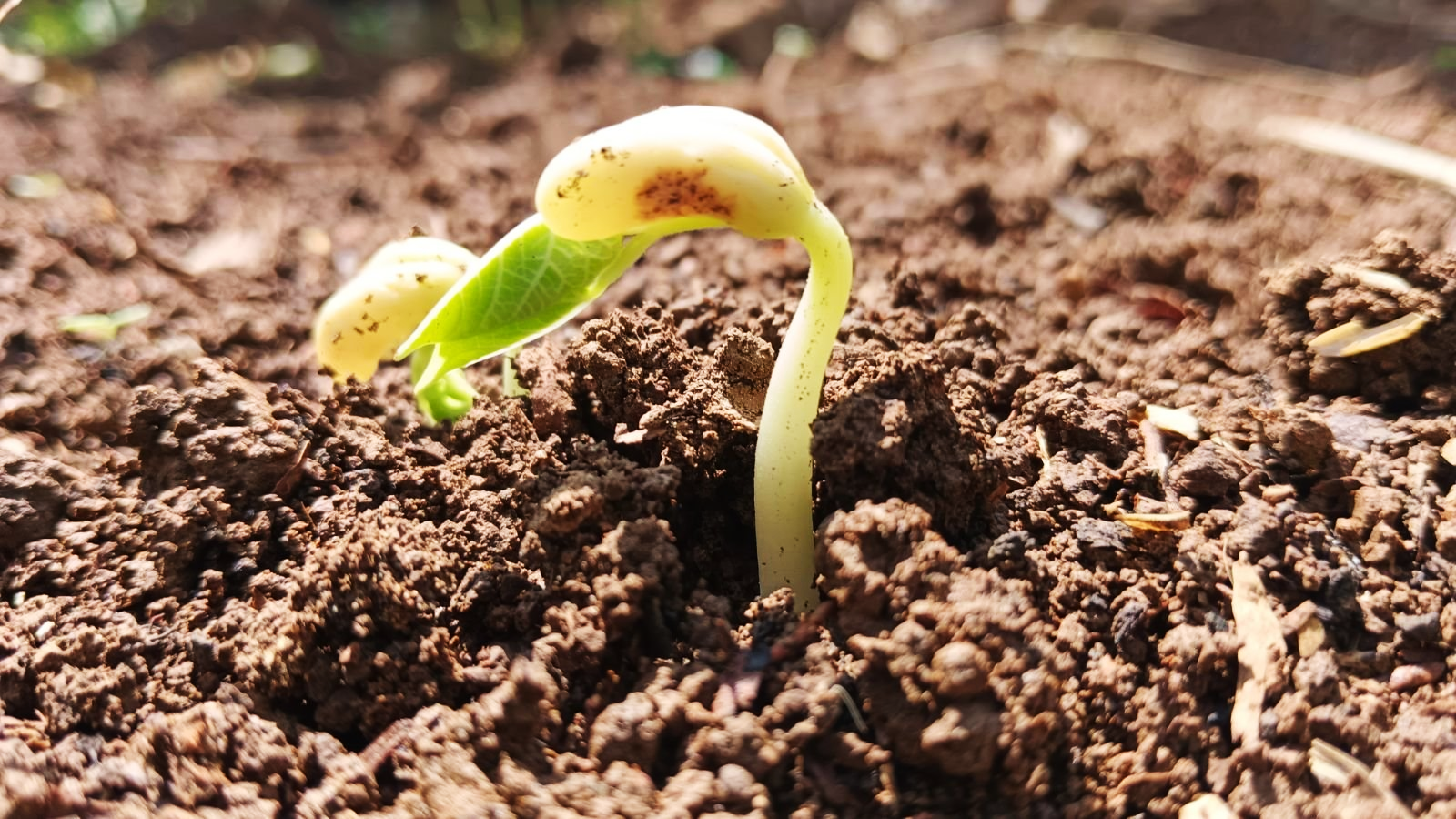
Monday, 09/02/2026 | 06:24:26
Drought stress is a major global challenge in crop production. The occurrence of drought during seed germination directly affects crop establishment and final yield. In this work, we performed whole-genome resequencing of 414 mungbean (Vigna radiata (L.) R. Wilczek) germplasms and identified 4,875,142 high-quality single-nucleotide polymorphisms (SNPs). Two seed germination traits of the mungbean panel under drought stress across two environments were evaluated via a genome-wide association study (GWAS), and the results revealed a significant quantitative trait locus (QTL).
Engineered Algae Captures Microplastics from Water
Monday, 09/02/2026 | 06:22:48
Prof. Susie Dai, a researcher in the Department of Chemical and Biomedical Engineering at the University of Missouri, has developed a genetically engineered algae that can remove microplastics from wastewater by turning them into a biomass that is easy to collect and remove. The study, published in Nature Communications, is a pioneering, innovative solution for removing pollutants from wastewater.
FAO Food Price Index declines in January for fifth consecutive month
Monday, 09/02/2026 | 06:20:44
The measure of world food commodity prices declined in January for the fifth consecutive month, led by lower international quotations for dairy, sugar and meat products, according to the benchmark report released Friday by the Food and Agriculture Organization of the United Nations (FAO). The FAO Food Price Index, which tracks monthly changes in the international prices of a basket of globally-traded food commodities, averaged 123.9 points in January, down 0.4 percent from the previous month and 0.6 percent from its level a year earlier.
Transcriptome analysis of Pseudomonas syringae pv. tomato DAPP-PG 215 in response to silver nanoparticles exposure
Friday, 06/02/2026 | 14:06:22
Silver nanoparticles (AgNPs) are one of the most promising options for the control of bacterial pathogens. The effectiveness of AgNPs has been proven by several recent research studies in which toxicity against a broad range of human and plant pathogenic bacteria was observed, even when used at low doses compared to other conventional bactericides. Nevertheless, the antibacterial mechanism of AgNPs is yet to be completely understood.
7th International Plant Breeding and Biotechnology Conference (IPBBC2026)
Friday, 06/02/2026 | 14:05:12
The 7th International Plant Breeding and Biotechnology Conference (IPBBC2026) returns as a pivotal platform to advance discussions and innovations in the fields of plant breeding and biotechnology. Formerly known as the International Plant Breeding Conference, this event has been rebranded to reflect a broader scope and to attract a wider audience by integrating the rapidly evolving field of biotechnology alongside conventional breeding approaches. The updated name signifies our commitment to addressing complex global agricultural challenges through interdisciplinary collaboration and technological innovation.
Sustainable Impact through Rice-based Systems (SIRS)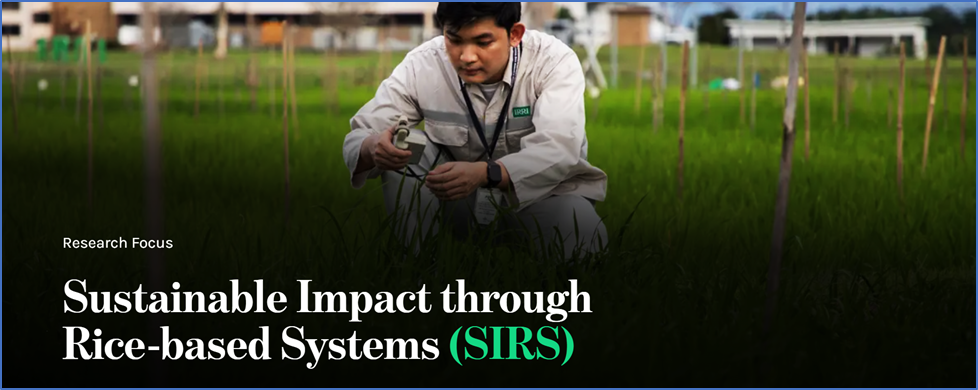
Friday, 06/02/2026 | 14:03:48
Rice is the staple food for half of the world’s population. It is the primary source of calories for billions of people, primarily from low-income households, making it a critical crop for achieving food, nutrition, social, and livelihood security.
Rice and its production process shape cultures and social dynamics. It is a valuable crop in Asia, positioned at the heart of nations and their economies. Consumer preference is also growing across Africa due to changing diets and urbanization. Rice production, particularly in sub-Saharan Africa, has overtaken demand.
Complete Mitochondrial Genomic Characteristics and Phylogenetic Analysis of the Medicinal Plant Peperomia leptostachya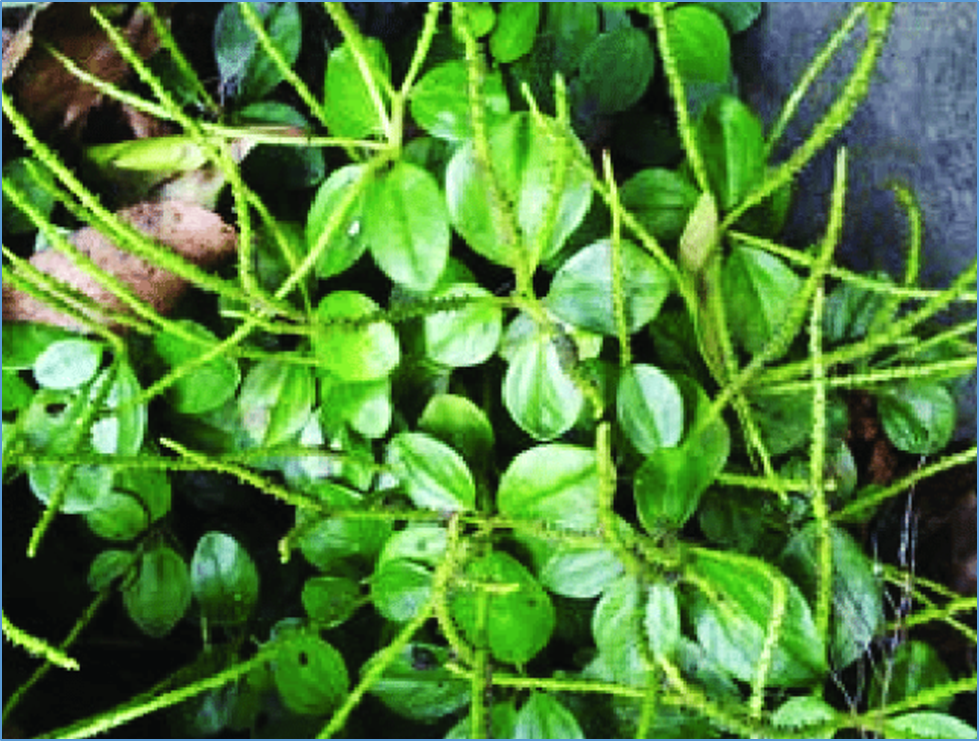
Friday, 06/02/2026 | 14:02:38
The genome exhibits significant structural peculiarities, presenting as an atypical circular structure accompanied by an independent minicircle, forming a multi-branched reticulate configuration spanning a total length of 981,249 bp. Within the mitochondrial genome of P. leptostachya, a total of 52 genes have been identified, including 35 PCGs, 14 tRNAs and 3 rRNAs. (2) A phylogenetic tree was built for 22 species based on the DNA sequences. P. leptostachya belongs to the family Piperaceae within the order Piperales and is closely related to Piper nigrum.
Development of an ultra-efficient prime editing system in tomato
Friday, 06/02/2026 | 14:01:21
Prime editing (PE) enables precise genome modifications without donor DNA or double-strand breaks, but its application in dicot plants has faced challenges due to low efficiency, locus dependence, and poor heritability. Here, we develop an ultra-efficient prime editing (UtPE) system for dicots by integrating evolved PE6 variants (PE6c and PE6ec), an altered pegRNA (aepegRNA), an RNA chaperone, and a geminiviral replicon. UtPE significantly improves editing performance in tomatoes, with UtPEv1 excelling in simple edits (unstructured RTTs)