


News & Events

The TaCOL-B5 gene in wheat plants can enhance yield by more than 10% and is an excellent candidate for getting the most out of one's wheat crop, according to a report by the Oklahoma State University. The gene was discovered in wheat cultivar CLtr176 from Mexico. It was found to increase the number of spikelets on a wheat spike by more than three, as well as increase the number of fertile tillers per plant. The gene is also rare, as it can only be found in only about 2% of wheat species across the globe.
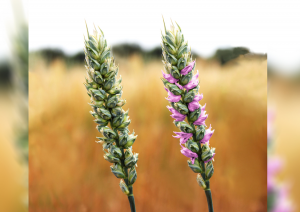
An international team of researchers from Australia's University of Adelaide and the UK's John Innes Centre has identified a gene that improves wheat yield, which can also lead to increasing the crop's protein content by up to 25 percent. According to Dr. Scott Boden from the University of Adelaide's School of Agriculture, Food and Wine, little is known about the mechanism behind the drivers of yields and protein content in wheat production. The discovery of the gene that controls the two factors has the potential to generate new wheat varieties with higher grain quality.
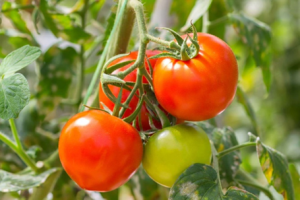
Flowering is a critical agricultural trait that substantially affects tomato fruit yield. Although drought stress influences flowering time, the molecular mechanism underlying drought-regulated flowering in tomato remains elusive. In this study, we demonstrated that loss of function of tomato OPEN STOMATA 1 (SlOST1), a protein kinase essential for abscisic acid (ABA) signaling and abiotic stress responses, lowers the tolerance of tomato plants to drought stress. slost1 mutants also exhibited a late flowering phenotype under both normal and drought stress conditions.
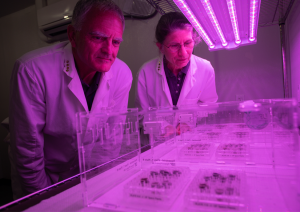
For the first time in human history, scientists marked a milestone in lunar and space exploration as they have successfully grown plants in soil from the moon collected during the Apollo 11, 12, and 17 missions. Scientists Rob Ferl and Anna-Lisa Paul from the University of Florida showed that plants have successfully sprouted and grew in lunar soil. Their study also investigated how plants respond biologically to the moon's soil, or lunar regolith, which is radically different from soil found on Earth.
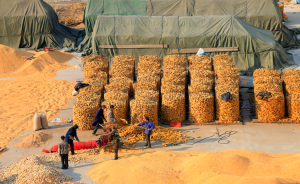
According to ISAAA, China was the seventh-largest producer of biotech crops globally in 2019. It is also one of the six countries that initially adopted biotech crops in 1996. In 2019, approximately 3.2 million hectares were planted with biotech cotton and papaya in China. Early this year, Chinese agriculture ministry officials reported remarkable results in the pilot testing of GM soybeans and maize, which mark a historical milestone in the industrialization of these GM foods in the country.
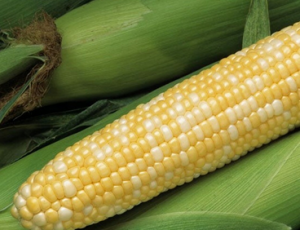
We analyze loss-of-function mutants of two major genes encoding DNA demethylases. No significant change in DNA methylation has been detected in these mutants. However, we detect increased DNA methylation levels in the mutants around genes and some transposons. The increase in DNA methylation is accompanied by alteration in gene expression, with a tendency to show downregulation, especially for the genes that are preferentially expressed in endosperm

Ministers and high-level representatives from across Europe and Central Asia met today at the FAO Regional Conference for Europe (ERC33) to discuss not only the implications of the war in Ukraine on global agrifood systems and world food security, but also ways of accelerating efforts to transform agrifood systems to assure inclusive and environmentally-friendly development and achieve better nutrition, both regionally and beyond.

The head of the Food and Agriculture Organization of the United Nations (FAO) today called on G7 nations to help anticipate future food shortages, as the war in Ukraine squeezes supplies, pushes prices to record highs and threatens already vulnerable nations across Africa and Asia. “We need to actively identify ways to make up for potential future gaps in global markets, working together to foster sustainable productivity increases where possible,” Director-General Qu Dongyu told G7 Agriculture Ministers meeting in Stuttgart, Germany.
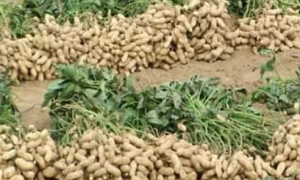
Thrips palmi (Thysanoptera: Thripidae) is the predominant tospovirus vector in Asia-Pacific region. It transmits economically damaging groundnut bud necrosis virus (GBNV, family Tospoviridae) in a persistent propagative manner. Thrips serve as the alternate host, and virus reservoirs making tospovirus management very challenging. Insecticides and host plant resistance remain ineffective in managing thrips–tospoviruses.

Kangwon National University scientists tested the expression of cold-response gene in Chinese silver grass (Miscanthus sinensis) and its response to environmental stresses. The SAMS (S-adenosylmethionine synthetase) gene plays a vital role in the mechanism of cold resistance and overexpression of this gene has been found to cause physical changes in T1-generation transgenic plants. Thus, the researchers tested the resistance of transgenic plants expressing MsSAMS to different environmental conditions.
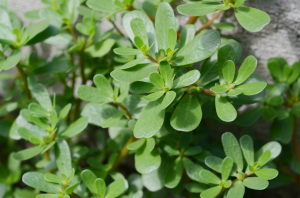
Biotech researchers at Imam Khomeini International University and partners conducted a study to investigate the production of recombinant human serum albumin (HSA) protein using a a plant as a bioreactor. The results are reported in Transgenic Research. Human serum albumin (HSA) is used for treatments of several acute illnesses, including hypovolemia, burns, and hemorrhage.
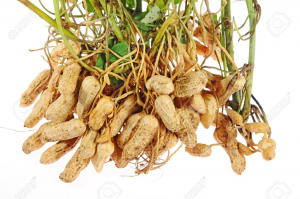
With the rise in the world population, environmental hazards caused by chemical fertilizers, and a decrease in food supply due to global climate change, food security has become very pertinent. In addition, considerable parts of agriculture lands have been lost to urbanization. It has therefore been projected that at the present rate of population increase coupled with the other mentioned factors, available food will not be enough to feed the world. Hence, drastic approach is needed to improve agriculture output as well as human sustainability.