


News & Events
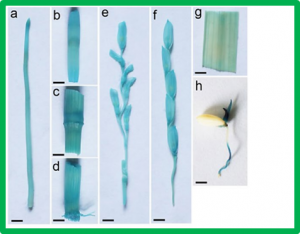
Although type 2C protein phosphatases (PP2Cs) have been demonstrated to play important roles in regulating plant development and various stress responses, their specifc roles in rice abiotic stress tolerance are still largely unknown. In this study, the functions of OsPP65 in rice osmotic and salt stress tolerance were investigated. Here, we report that OsPP65 is responsive to multiple stresses and is remarkably induced by osmotic and salt stress treatments.

Experts from the Chinese Academy of Agricultural Sciences were able to design and construct a designer transcription activator-like effector (TALE) to target the OsNOG1 gene in rice. The results showed an increase in grain number of rice plants as well as an increase in grain yield per plant demonstrating its effectiveness in enhancing rice yield. The designed TALE was designated as dTALE-NOG1 and specifically targets the promoter of the OsNOG1 gene.

A team of researchers from Guangdong Academy of Agricultural Sciences reported that rice gene OsPP65 is responsive to multiple stresses and is induced by osmotic and salt stress treatments. Their findings are presented in Rice journal. Type 2C protein phosphatases (PP2Cs) have vital functions in controlling plant development and various stress responses.
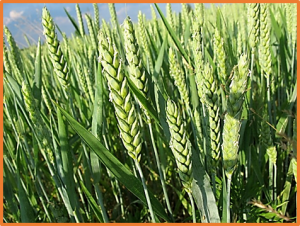
Nested association mapping (NAM) populations have been created to enable the identification of quantitative trait loci (QTL) in different genetic backgrounds. A whole-genome nested association mapping (WGNAM) method is presented to perform QTL analysis in NAM populations. The WGNAM method is an adaptation of the multi-parent whole genome average interval mapping approach where the crossing design is incorporated through the probability of inheriting founder alleles for every marker across the genome.

Vertex and CRISPR Therapeutics presented impressive results of clinical trials for exagamglogene autotemcel (exa-cel), which can help patients with beta thalassemia and sickle cell disease (SCD). Exa-cel is the first gene editing therapy of its kind and will be submitted for regulatory approval in the US, UK, and Europe by the end of 2022. Beta thalassemia affects 1 in 100,000 people globally. It is characterized by damages or missing genes that cause the body to produce less hemoglobin, which can lead to the enlargement of vital organs

A research group at the University of California, San Diego, led by Ethan Bier and Annabel Guichard, has developed a new form of CRISPR that can more efficiently insert correct DNA sequences at the site of a mutation, with fewer off-target effects. The method uses a variant of the Cas9 enzyme called a nickase, which only cuts one strand of the DNA double helix. “We found that ‘softly' nicking, or cutting, one strand of the DNA is even more efficient than making a clean double-stranded break,” says Bier.
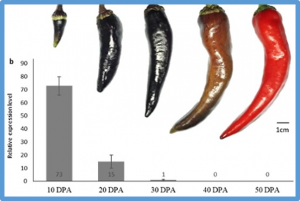
The key regulatory gene CaAN2 encodes an R2R3 MYB transcription factor that regulates anthocyanin biosynthesis in various tissues in pepper (Capsicum annuum). However, CaAN2 is not expressed in certain pepper accessions showing fruit-specific anthocyanin accumulation. In this study, we identified the novel locus CaAN3 as a regulator of fruit-specific anthocyanin biosynthesis, using an F2 population derived from a hybrid cultivar with purple immature fruits and segregating for CaAN3.

Experts from the Chinese Academy of Agricultural Sciences were able to design and construct a designer transcription activator-like effector (TALE) to target the OsNOG1 gene in rice. The results showed an increase in grain number of rice plants as well as an increase in grain yield per plant demonstrating its effectiveness in enhancing rice yield. The designed TALE was designated as dTALE-NOG1 and specifically targets the promoter of the OsNOG1 gene.
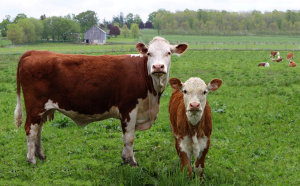
A two-year study conducted by researchers from the University of California Davis found that the meat and milk from genome-edited (GnEd) cattle had nutritional values within the same range as that of conventional cattle, further suggesting that biotechnology tools can be safely applied to animals to achieve useful ends.
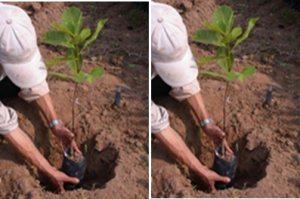
The IAS scientists' delegation took a field trip in Binh Loi commune, Binh Chanh district to investigate the Ochna growing potential of 500 ha, on June 22, 2022. Ho Chi Minh City Union of Science and Technology held the workshop on "High technology, biotechnology and digital conversion applications' workshop" with the contribution by IAS scientists, on June 24, 2022.
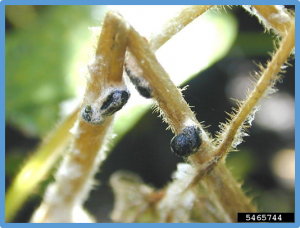
Sclerotinia sclerotiorum causes Sclerotinia stem rot on soybean. Using RNA sequencing, the transcriptomes of the soybean host and the S. sclerotiorum pathogen were simultaneously determined at 4 and 8 h postinoculation (hpi). Two soybean genotypes were involved: a resistant oxalate oxidase (OxO)-transgenic line and its susceptible parent, AC Colibri (AC). Of the 594 genes that were significantly induced by S. sclerotiorum, both hosts expressed genes related to jasmonic acid
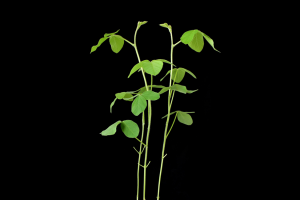
Transcriptome profiling study has revealed molecular players in early infection of Sclerotinia stem rot on soybeans. The results of the study conducted by researchers from the University of Illinois, Urbana, Ottawa Research and Development Centre, USDA Agricultural Research Service are published in Genetics and Genomics of Resistance.