


News & Events
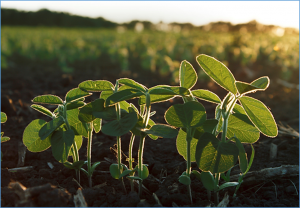
Genetic variation is pivotal for crop improvement. Natural populations are precious genetic resources. However, efficient strategies for the targeted utilization of these resources for quantitative traits, such as plant height (PH), are scarce. Being an important agronomic trait associated with soybean yield and quality, it is imperative to unravel the genetic mechanisms underlying PH in soybean.
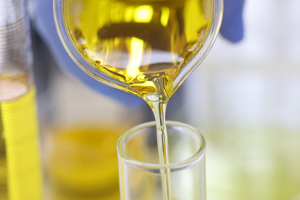
By accessing the genome sequences of 7,762 bacterial strains, scientists were able to genetically engineer soil bacteria to produce polycyclopropanated fatty acids (POP-FAs) that are energy dense and can be converted into renewable fuel to support shipping, long-haul transport, aviation, and rocketry. After studying the chemical diversity of the bacterial genomes, the scientists identified and re-purposed naturally occurring cyclopropanated molecules by focusing on a set of candidate iterative polyketide synthases that can possibly produce POP-FAs.
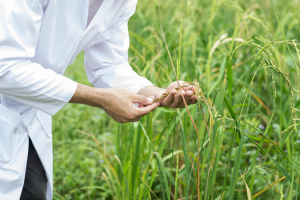
Experts from Hong Kong Baptist University and The Chinese University of Hong Kong analyzed the trends in rice research in the past 30 years and made projections for 2030 and beyond. The open-access review paper is published in Food and Energy Security. Rice production and research have encountered unprecedented challenges in recent years.
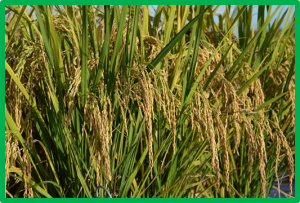
Increasing zinc (Zn) concentrations in edible parts of food crops, an approach termed Zn-biofortification, is a global breeding objective to alleviate micro-nutrient malnutrition. In particular, infants in countries like Madagascar are at risk of Zn deficiency because their dominant food source, rice, contains insufficient Zn. Biofortified rice varieties with increased grain Zn concentrations would offer a solution and our objective is to explore the genotypic variation present among rice gene bank accessions
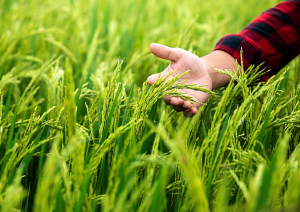
A study conducted by an international research collaboration suggests that the emergence of cultivated rice from wild rice plants is the result of three gene mutations that make the seeds fall from the plant less easily. The researchers discovered that each of the three mutations individually has little effect, but when all three mutations are present, rice panicles retain more of their seeds, resulting in a greater crop yield.

Senegal President Macky Sall signed a new biosafety law into effect on June 14, 2022, which nullified the 2009 biosecurity law. This sets a new approval process for the import, research, and cultivation of genetically engineered (GE) products in the country. According to Mr. Abdou Karim Sall, Minister of Environment and Sustainable Development, the new law enables Senegal to follow its international commitments and maximize the benefits of modern biotechnology.
The apocarotenoids play a vital role in plant growth and development process, especially strigolactones, which can induce rooting and help in the interaction with symbiotic microbes in plants. They also act as colorants, antioxidants, hormones, signalling components, scent/aroma constituents and chromophores. In silico approaches are valuable in reducing the complexity regarding gene networks in plants that help to develop new biotechnological and bioinformatics tactics in crop improvement programmes.
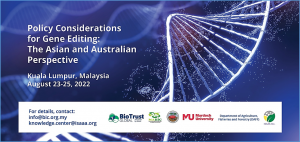
ISAAA Inc., BioTrust Global, the Malaysian Biotechnology Information Center, Murdoch University, and the National Seed Association Malaysia will hold the workshop Policy Considerations for Gene Editing: The Asian and Australian Perspective from August 23 to 25, 2022 in Kuala Lumpur, Malaysia. This workshop intends to inform local policymakers, regulators, and other stakeholders about how they can proactively play a role in developing their respective national policies
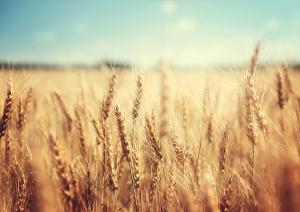
A first-of-its-kind analysis by a team of international experts led by Rothamsted Research in the United Kingdom reveals that the untapped genetic potential of wheat shows global yields are only half of what they could be. The team says this ‘genetic yield gap' could be closed by developing wheat varieties tailored to each region by using genetic variation available in wheat gene banks with modern techniques such as speed breeding and gene editing.
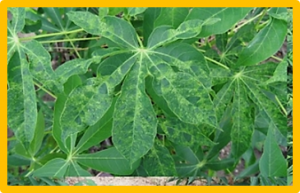
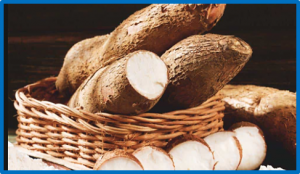
Status of the current outbreak of cassava mosaic disease (CMD) in Southeast Asia was reviewed. Healthy cassava seed production and dissemination systems have been established in Vietnam and Cambodia, along with integrated disease and pest management systems, to combat the outbreak. Cassava (Manihot esculenta Crantz) is one of the most important edible crops in tropical and subtropical regions.
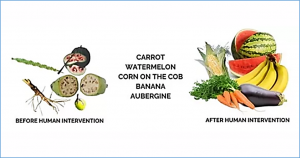
How natural is our food, and what does ‘natural' mean anyway? Science for Sustainable Agriculture asked this important question to consumers to understand their perception of key issues about the use of science in food and agriculture. The independent survey was designed and conducted by consumer research agency England Marketing Ltd.
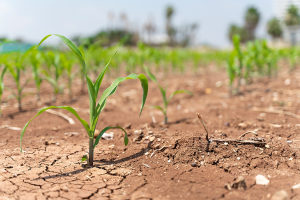
Global food systems feed the global population, but also significantly contribute to climate change. In an article, Kevin Doxzen of the World Economic Forum answered the question, “How engineered crops can fight climate change?” Genetic engineering is one of the tools used by scientists to adapt to climate change. Improved varieties of rice, maize, and wheat have been developed to withstand extended drought periods and wetter monsoon seasons.