


News & Events
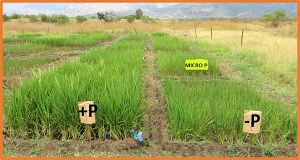
Phosphorus (P) is essential for cellular processes like respiration, photosynthesis, biosynthesis of membrane phospholipids, etc. To cope with P deficiency stress, plants adopt reprograming of the expression of genes involved in different metabolic/signaling pathways for survival, growth, and development. Plants use transcriptional, post-transcriptional, and/or post-translational machinery to achieve P homeostasis.
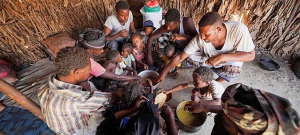
From the worst drought in four decades threatening famine across the Horn of Africa to extreme heat in South Asia, the war in Ukraine and the unequal pace of pandemic recovery, global food systems are under extraordinary pressure. The combined result is expected to leave more than 320 million people severely food insecure this year, compared to 135 million two years ago. Until recently, efforts to bolster such an overstretched global food system have focused on a single aspect, such as developing hardier crop varieties, reforming subsidies or reducing food waste, but any system is only as strong as its weakest link.

July 28 marks the 2022 instance of Earth Overshoot Day, the date when humanity’s demand for ecological resources and services in a given year exceeds what Earth can regenerate in that year. WorldFish advocates for equitable and sustainable resource management across the Pacific. In one such effort, WorldFish researchers have written Assessing inclusion in community-based natural resource management: A framework and methodology to aid in the development of equitable, inclusive and sustainable resource management tools at the community level.
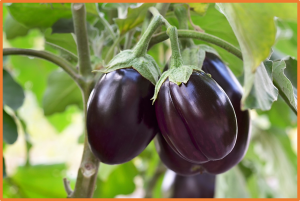
Low light condition often leads to poor coloration of photosensitive eggplant. Here, we obtained a non-photosensitive eggplant that can synthesize large amount of anthocyanin under shading conditions. Genetic analysis of F1 and F2 populations revealed that the phenotype of non-photosensitivity was regulated by a single dominant nuclear gene, herein temporarily designated SmFTSH10.
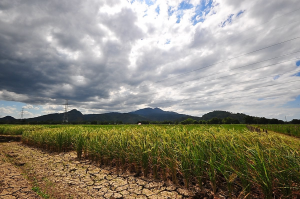
The world indeed has far to go to deliver safe and healthy food, livelihoods and environments for all, a complex undertaking made yet more difficult by climate change, the conflict in Ukraine and the COVID-19 recovery. The combined impact has left healthy diets out of reach for three billion people, according to the latest report from the UN’s Food and Agriculture Organization (FAO).

A study conducted in India has shown that eating iron-biofortified pearl millet measurably improves brain function and cognitive behaviors like memory and attention, in addition to increasing iron levels in the body. These findings are consistent with an earlier study in Rwanda with women who ate iron beans. The negative impacts of iron deficiency on cognitive behaviors and brain function—including significantly poorer performance by children at school—are known
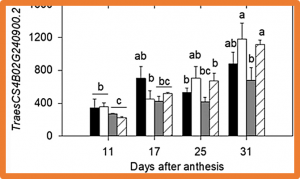
A QTL for thousand grain weight (TGW) in wheat was previously mapped on chromosome 4B in a DH population of Westonia × Kauz. For identifying the candidate genes of the QTL, wheat 90 K SNP array was used to saturate the existing linkage map, and four field trials plus one glasshouse experiment over five locations were conducted to refine the QTL. Three nitrogen levels were applied to two of those field trials,
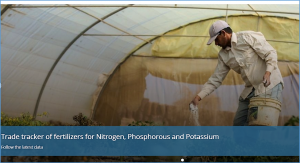
The principal source of all trade data used for the analyses is the “Trade Data Monitor”, or TDM for short. TDM is a commercial data supplier, offering a comprehensive and up-to-date global trade dataset at the monthly frequency. TDM covers the entire product space of merchandise trade at different levels of aggregation. Data are encoded according to the Harmonized System (HS), which is the main international classification standard for trade reporting and analysis.

Healthy and sustainable diets like the Mediterranean Diet are crucial to promoting nutrition for all, protecting the environment and combating food waste. This was the main message at an event today organized by the Government of Italy, supported by FAO, to raise awareness on the benefits of the Mediterranean Diet and how it is an important and concrete tool for the implementation of the UN Sustainable Development Goals (SDGs).
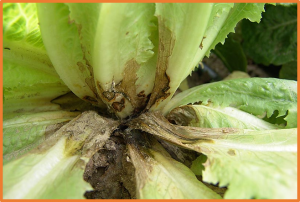
Lactuca sativa L. (lettuce) is an important leafy vegetable crop grown and consumed globally. Chemicals are routinely used to control major pathogens, including the causal agents of grey mould (Botrytis cinerea) and lettuce drop (Sclerotinia sclerotiorum). With increasing prevalence of pathogen resistance to fungicides and environmental concerns, there is an urgent need to identify sources of genetic resistance to B. cinerea and S. sclerotiorum in lettuce.
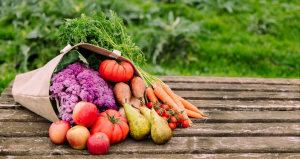
The number of people affected by hunger globally rose to as many as 828 million in 2021, an increase of about 46 million since 2020 and 150 million since the outbreak of the COVID-19 pandemic (1), according to a United Nations report that provides fresh evidence that the world is moving further away from its goal of ending hunger, food insecurity and malnutrition in all its forms by 2030.
The barometer for world food commodity prices declined slightly in June for the third consecutive month, the Food and Agriculture Organization of the United Nations (FAO) reported today. The FAO Food Price Index averaged 154.2 points in June 2022, down 2.3 percent from May. The Index, which tracks monthly changes in the international prices of a basket of commonly-traded food commodities, remained, however, 23.1 percent higher than in June 2021.