


News & Events
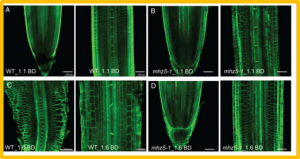
Soil compaction represents a major agronomic challenge, inhibiting root elongation and impacting crop yields. Roots use ethylene to sense soil compaction as the restricted air space causes this gaseous signal to accumulate around root tips. Ethylene inhibits root elongation and promotes radial expansion in compacted soil, but its mechanistic basis remains unclear. Here, we report that ethylene promotes abscisic acid (ABA) biosynthesis and cortical cell radial expansion. Rice mutants of ABA biosynthetic genes had attenuated cortical cell radial expansion in compacted soil, leading to better penetration. Soil compaction-induced ethylene also up-regulates the auxin biosynthesis gene OsYUC8. Mutants lacking OsYUC8 are better able to penetrate compacted soil.

ISAAA Inc., BioTrust Global, the Malaysian Biotechnology Information Center, Murdoch University, and the National Seed Association Malaysia will hold the workshop Policy Considerations for Gene Editing: The Asian and Australian Perspective from August 23 to 25, 2022 in Kuala Lumpur, Malaysia. The registration is now open for interested participants.
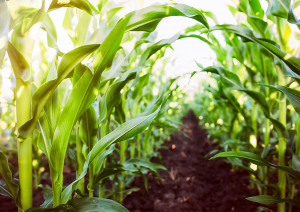
Oxitec has shared the successful completion of the second large-scale pilot season of the Friendly™ fall armyworm in Brazil. Following full commercial biosafety approval from Brazilian regulators in 2021, two pilot seasons have enabled large-scale testing and the validation of performance in commercial farm settings in two of Brazil's major corn-growing regions.
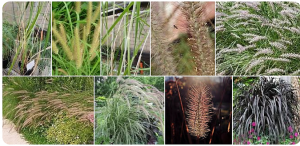
Pennisetum squamulatum, a secondary gene pool species of pearl millet (P. glaucum), harbours many desirable traits. However, it was neither utilized to improve pearl millet fodder traits nor improvement of its own domestication traits was attempted, due to the complexities of genomes and apomictic reproduction. To overcome this, we followed an Apomixis Mediated Genome Addition (AMGA) strategy and utilized the contrasting reproductive capacities (sexuality and apomixis) of both the species to access the otherwise un-available variability embedded in P. squamulatum.

Nigeria has become the latest addition to the list of countries importing drought tolerant HB4 wheat variety from Argentina. The GM wheat has been approved for food and feed use in Brazil, Colombia, Australia, and New Zealand. The import permit granted by the National Biosafety Management Agency of Nigeria is valid until July 2025. Nigeria's announcement was made a few weeks after the US Food and Drug Administration released the results of their assessment of the GM wheat and concluded that there are no questions about the safety of the crop.

The online event is the final of three webinars and aims to provide the public an overview of the different dimensions of gene drive impact and risk assessments, including environmental and socio-economic aspects. It will feature Ms. Delphine Thizy, Target Malaria's Stakeholder Engagement Senior Advisor, and Dr. Krishna Ravi Srinivas, Senior Fellow and Consultant at Research and Information System for Developing Countries.
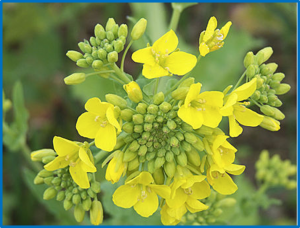
In Brassica rapa, flowering time (FT) is an important agronomic trait that affects the yield, quality, and adaption. FT is a complicated trait that is regulated by many genes and is affected greatly by the environment. In this study, a chromosome segment substitution line (CSSL), CSSL16, was selected that showed later flowering than the recurrent parent, a rapid-cycling inbred line of B. rapa (RcBr). Using Bulked Segregant RNA sequencing, we identified a late flowering quantitative trait locus (QTL)
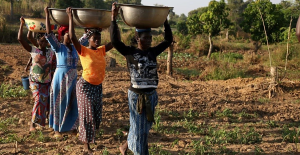
The latest State of Food Security and Nutrition in the World (SOFI) report shows that rather than moving towards the 2030 goal of zero hunger, ever more people are hungry. Jointly published by FAO, IFAD, UNICEF, WFP, and WHO, the numbers in the report paint a grim picture. In 2021, as many as 828 million were affected by hunger—an increase of about 46 million since 2020 and 150 million since the outbreak of the COVID-19 pandemic.

Alvaro Lario is the Associate Vice President for Financial Operations and Chief Financial officer at IFAD since 2018. Under his leadership, IFAD became the first United Nations Fund and the only UN body and specialized agency other than the World Bank Group to enter the capital markets and obtain a credit rating, enabling the Fund to expand resources mobilization efforts to the private sector.
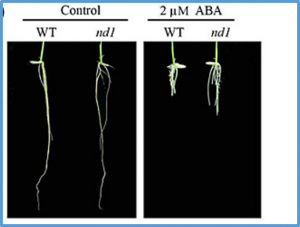
Cell wall polysaccharide biosynthesis enzymes play important roles in plant growth, development and stress responses. The functions of cell wall polysaccharide synthesis enzymes in plant growth and development have been well studied. In contrast, their roles in plant responses to environmental stress are poorly understood. Previous studies have demonstrated that the rice cell wall cellulose synthase-like D4 protein (OsCSLD4) is involved in cell wall polysaccharide synthesis and is important for rice growth and development.
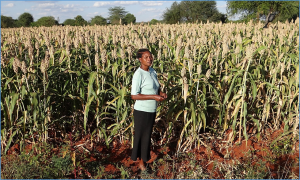
ICRISAT and the Alliance for a Green Revolution in Africa (AGRA) announced a new partnership that synergizes their strengths. ICRISAT’s improved crop varieties and value chain development technology will be leveraged alongside AGRA’s extensive seed systems networks to bridge gaps in market access to early maturing, high yielding and nutritious varieties of drought tolerant crops in Africa.

The recently released “State of Food Security and Nutrition 2022” report paints a grim picture. The number of people suffering from hunger in 2021 is estimated between 702 million and 828 million (corresponding to 8.9% and 10.5% of the world population respectively). This is 150 million more people than it was before the pandemic. The report begins with the disquieting line: The prevalence of undernourishment (SDG Indicator 2.1.1) jumped from 8% in 2019 to 9.8% in 2021.