


News & Events

Scientists from the Hunan University of Chinese Medicine reported the first successful genome editing of Poria cocos using CRISPR-Cas9 system integrating genome-wide off-target prediction and detection. Their findings are expected to support future researchers of the genetic breeding and commercial production of edible and medicinal fungi. Previous researchers using CRISPR-Cas9 have not identified endogenous RNA polymerase III promoters in P. cocos, hence there is little information known about its gene functional analysis.
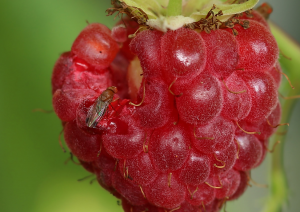
Using CRISPR technology, researchers at the University of California San Diego have set their aims on a worldwide pest known to decimate valuable food crops. Researchers Nikolay Kandul, Omar Akbari, and their colleagues have now adapted the precision-guided sterile insect technique (pgSIT) for use in Drosophila suzukii, also known as spotted-wing drosophila, an invasive fruit fly responsible for millions of dollars in crop damage.
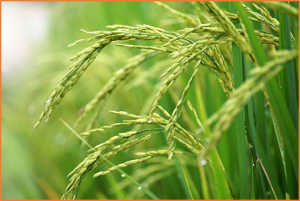
High salinity seriously affects crop growth and yield. Abscisic acid-, stress-, and ripening-induced (ASR) proteins play an important role in plant responses to multiple abiotic stresses. In this study, we identified a new salt-induced ASR gene in rice (OsASR6) and functionally characterized its role in mediating salt tolerance. Transcript levels of OsASR6 were upregulated under salinity stress, H2O2 and abscisic acid (ABA) treatments. Nuclear and cytoplasmic localization of the OsASR6 protein were confirmed. Meanwhile, a transactivation activity assay in yeast demonstrated no self-activation ability.
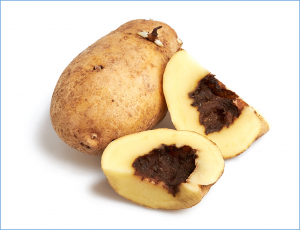
Israeli scientists used smart engineering and optics to create sensors that light up when exposed to potato rot. This early detection of rot in potato can potentially inhibit the rot from spreading, reduce food wastage, and increase economic gain for potato farmers. The study was conducted by the Hebrew University of Jerusalem and Israel's Agricultural Research Organization (Volcani Institute). The sensor they developed has a bacterial compound that lights up when exposed to an infected potato.

Consumers' purchase intention will help determine the success of any genetically modified (GM) product. Identifying the factors that affect it must be considered when developing a strategic marketing plan for GM rice in China. The Chinese government encourages agricultural research and development to address food security. Among these is the use of biotechnology on crops. As a result, genetically modified rice varieties were developed to add more options to the country's staple food supply.
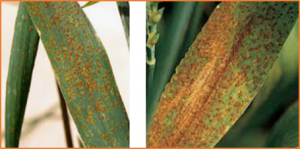
Leaf rust and stripe rust are important wheat diseases worldwide causing significant losses where susceptible varieties are grown. Resistant cultivars offer long-term control and reduce the use of hazardous chemicals, which can be detrimental to both human health and the environment. Land races have been a valuable resource for mining new genes for various abiotic and biotic stresses including wheat rusts.

A study conducted by scientists from the International Maize and Wheat Improvement Center (CIMMYT) reveals that the Afghan wheat landrace KU3067 has resistance to leaf rust and stripe rust, a research finding that can be used in the development of disease-resistant wheat varieties. Rust pathogens are fungal pathogens found everywhere and pose a serious threat to wheat production. The preferred strategy to combat these diseases is to breed wheat varieties with genetic resistance.

Labels indicating ingredients from genetically engineered plants may lead to a reduction in sales, according to a study conducted by researchers from Pennsylvania State University College of Agricultural Sciences. The study, published in Food Policy, looked at the sales trend data from Vermont after a law on mandatory genetically engineered (GE) food labeling was implemented.
Drought is an abiotic stress that limits plant growth and productivity, and the development of trees with improved drought tolerance is expected to expand potential plantation areas and to promote sustainable development. Previously we reported that transgenic poplars (Populus tremula × P. tremuloides, T89) harboring the stress-responsive galactinol synthase gene,

Researchers from the University of Tsukuba, Japan, reported in Transgenic Research the results of the confined field trials of transgenic poplars with stress tolerance gene from Arabidopsis. Drought is abiotic stress that affects plant growth and productivity. Developing trees with enhanced tolerance to drought can potentially expand plantation areas and promote sustainable development.
Researchers from Kiel University, led by Professor Frank Kempken, have characterized a novel component of plant PPR proteins previously thought to be primarily involved in RNA maturation in mitochondria. The researchers have identified a new protein that is part of the mitochondrial ribosomes and is involved in protein biosynthesis. This new protein is part of the mitochondrial ribosomes and is involved in protein biosynthesis.
5-aminolevulinic acid (ALA) is the common precursor of all tetrapyrroles and plays an important role in plant growth regulation. ALA is synthesized from glutamate, catalyzed by glutamyl-tRNA synthetase (GluRS), glutamyl-tRNA reductase (GluTR), and glutamate-1-semialdehyde aminotransferase (GSAT). In Arabidopsis, ALA synthesis is the rate-limiting step in tetrapyrrole production via GluTR post-translational regulations.