


News & Events

The online event is the third part of a webinar series and will provide an overview of the status and opportunities of animal biotechnology for food and agriculture globally. It will also discuss the research and development opportunities, and regulations of animal biotechnology in the Philippines. The webinar will feature Dr. Carl Ramage, Managing Director of Rautaki Solutions Ltd. based in Melbourne, Australia, and Dr. Claro Mingala
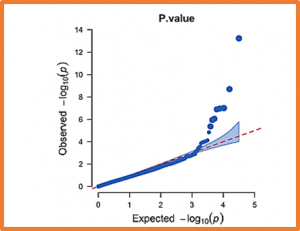
Soybean rust caused by Phakopsora pachyrhizi is one of the most important foliar diseases of soybean [Glycine max (L.) Merr.]. Although seven Rpp resistance gene loci have been reported, extensive pathotype variation in and among fungal populations increases the importance of identifying additional genes and loci associated with rust resistance. One hundred and ninety-one soybean plant introductions from Japan, Indonesia and Vietnam,
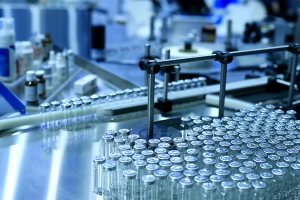
On September 12, 2022, the United States launched the National Biotechnology and Biomanufacturing Initiative which will harness the investments, program and partnerships to advance research and development in bioengineering and biomanufacturing, and expand and strengthen the country's biomanufacturing capacity and supply chains. The initiative was developed to reinforce biosecurity innovations, and expand workforce training and education programs in the US.
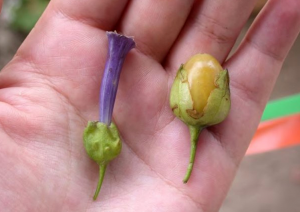
Researchers led by Stacey Smith, a professor at the University of Colorado-Boulder have sequenced the genome of Iochroma cyaneum, a wild shrub in the tomatillo tribe of the tomato family. After sequencing the Iochroma genome and assembling the sequences into chromosomes, Smith's team compared it to other members of the family. The broader tomato family has almost 3,000 species.
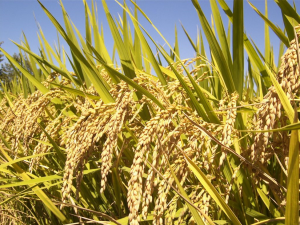
Rice is considered one the most important plants globally because it is a source of food for over half the world's population. Like other plants, rice is susceptible to diseases that may affect the quantity and quality of produce. It sometimes results in anywhere between 20-40% crop loss production. Early detection of these diseases can positively affect the harvest, and thus farmers would have to be knowledgeable about the various disease and how to identify them visually

We would like to request for your feedback regarding our e-newsletter, the Crop Biotech Update. We value your comments and suggestions to further improve our service. Please take a few minutes to answer this short questionnaire. Do you also use the ISAAA GM Approval Database and ISAAA Briefs? If yes, kindly let us know what you think through the following surveys:
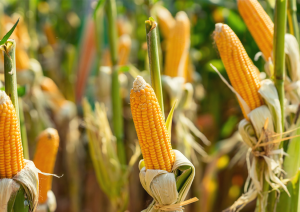
Biotechnology and biosafety stakeholders in Nigeria validated and adopted the national guidelines on the regulation of genetically modified (GM) plants with stacked genes on July 25, 2022, in Abuja. The guidelines provide guidance and information on the risk assessment and risk management requirements and procedures for plants with GM stacked events.
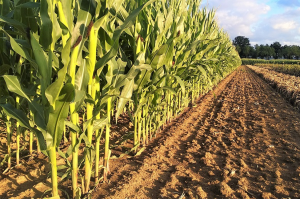
Maize is a widely grown cereal crop in India and ranks third to wheat and rice in production (https://iimr.icar.gov.in). During a field survey in Kharif season in 2018, foliar chlorosis at the base and middle of leaves, and twisted top symptoms were observed in 40-50 days old maize plants in Belagavi district, Karnataka, India. Again during Kharif season in 2021, similar symptoms were observed on commercial maize hybrids and sugarcane at Agricultural Research Station, Sankeshwar Karnataka.
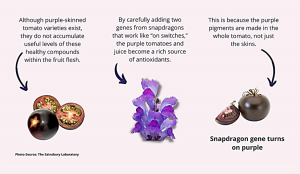
The U.S. Department of Agriculture's (USDA) Animal and Plant Health Inspection Service (APHIS) issued a Regulatory Status Review (RSR) on September 7, 2022, stating that the new genetically modified (GM) purple tomato from Norfolk Plant Sciences may be safely grown and used in breeding in the United States. The purple tomato was modified to alter its color and enhance its nutritional quality. Domesticated tomatoes already have genes to produce anthocyanins, but they are not "turned on" in most fruits.
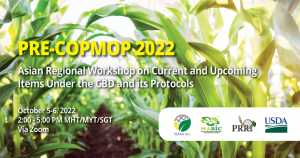
ISAAA and partners are organizing Pre-COPMOP2022: Asian Regional Workshop on Current and Upcoming Items Under the CBD and its Protocols on October 5-6, 2022, via Zoom. The registration is now open to all interested participants. The workshop is open to stakeholders involved in modern agbiotech and biosafety policies and regulations, research and development, trade, and awareness and will focus on a general recap of the Convention on Biological Diversity (CBD) and its protocols and a debriefing of the discussions in the last COPMOPs.
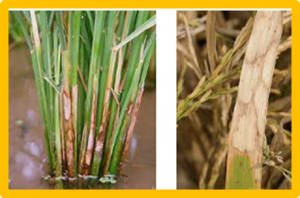
The metabolomic changes induced by the phytotoxic metabolite in a ShB susceptible rice cultivar were elucidated by gas chromatography-mass spectrometry analysis and compared with that of the pathogen to identify rice metabolites targeted by the phytotoxin. The profiles of about 29 metabolites with various physiological roles in rice plants have been identified worldwide. Unsupervised and supervised multivariate chemometrics (principal component analysis and partial least squares-discriminant analysis)

Nature Biotechnology reports a new version of the CRISPR-Cas9 gene editing system that eases the process of re-engineering large amounts of cells for therapeutic applications. The technique, designed by Gladstone Institutes and the University of California, San Francisco (UCSF), allows scientists to introduce long DNA sequences to precise locations in the genomes of cells at significantly high efficiencies without the need for delivery systems.