


News & Events

Target malaria, a not-for-profit research consortium developing a vector-control gene drive approach to eliminate malaria, presented their stakeholder engagement strategy and how these translated guidance documents into practice. The case study is published in Malaria Journal. Gene drive mosquitoes are gaining more popularity as a potential tool to combat mosquitoes carrying malaria. To ensure responsible gene drive research, guidance documents have been released by the World Health Organization, National Academies, and expert groups.
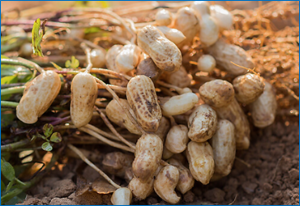
The rising incidence of food allergy in children underscores the importance of environmental exposures; however, genetic factors play a major role. How the environment and genetics interact to cause food allergy remains unclear. The landmark Learning Early About Peanut Allergy (LEAP) clinical trial established that early peanut introduction protects high-risk infants, consistent with the tolerizing effects of gut exposure. In this issue of the JCI, Kanchan et al. leveraged the LEAP trial data to examine molecular genetic mechanisms of early sensitization.
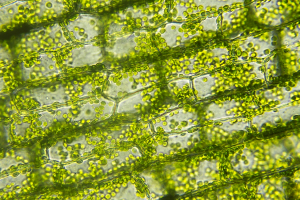
Two cyanobacteria species that perform photosynthesis under low-light conditions were investigated by scientists from the Imperial College London to understand the trade-offs that happen between efficiency and resilience when using lower-energy far-red light. Using this new knowledge, researchers can potentially develop plants that are more efficient in crop and biomass production since far-red light is less energy intensive.
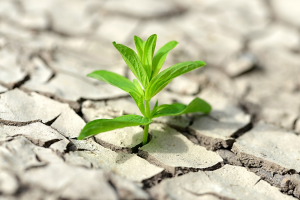
Developing synthetically engineered plants that can clean up polluted environments through phytoremediation and phytomining is one way that scientists are exploring to help alleviate the threats to the environment and human health while preserving technologically-critical metals that are starting to run out. An article published by Science highlighted the wealth of biochemical plant diversity to help detoxify foreign substances in the earth's ecosystem.
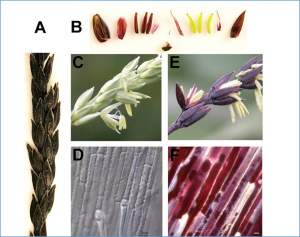
Anthocyanins in maize are valuable to human health. The R1 gene family is one of the important regulatory genes for the tissue-specific distribution of anthocyanins. R1 gene allelic variations are abundant and its biological function and regulatory molecular mechanisms are not fully understood. By exploiting genetic mapping and transgenic verification, we found that anthocyanin pigmentation in maize leaf midrib was controlled by ZmR1 on chromosome 10. Allelism test of maize zmr1 EMS mutants confirmed that anthocyanin pigmentation in leaf sheath was also controlled by ZmR1. ZmR1CQ01 was a novel ZmR1 allelic variation obtained from purple maize.
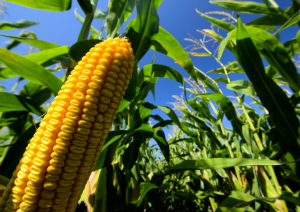
The European Food Safety Authority (EFSA) GMO Panel released their scientific opinion on insect resistant genetically modified (GM) maize MIR162, which is applied for renewal of authorization for food and feed uses, excluding cultivation within the EU. EFSA's assessment found no evidence for new hazards. Following the submission of Syngenta Crop Protection NV/SA, the EFSA GMO Panel assessed the post-market environmental monitoring reports

ISAAA Inc., as part of the Know The Science: Strengthening Biotech Links project with the Philippine Department of Agriculture Biotechnology Program Office, launches Double Helix, the first and only magazine supplement on agricultural biotechnology (agbiotech) for senior high school students taking the Science, Technology, Engineering, and Mathematics (STEM) strand in the country.
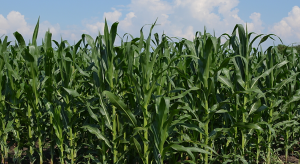
Official variety testing is performed in many countries by statutory agencies in order to identify the best candidates and make decisions on the addition to the national list. Neighbouring countries can have similarities in agroecological conditions, so it is worthwhile to consider a joint analysis of data from national list trials to assess the similarity in performance of those varieties tested in both countries. Here, maize yield data from official German and Poland variety trials for cultivation and use (VCU) were analysed for the period from 1987 to 2017. Several statistical models that incorporate environmental covariates were fitted.
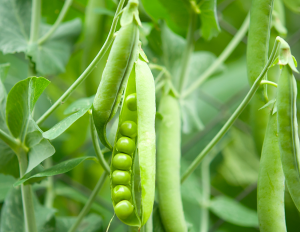
A team of international researchers reported how peas have evolved and pinpointed the traits that can be harnessed for breeding better varieties. The findings are published in Nature Genetics. According to the Food and Agriculture Organization of the United Nations records, peas are the fourth most produced legume globally. Aside from being a good source of protein, starch, fiber, and minerals, peas have a significant ecological sustainability advantage because of their biological nitrogen fixation capacity.
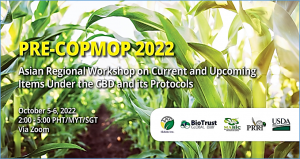
ISAAA Inc. and partners are organizing Pre-COPMOP2022: Asian Regional Workshop on Current and Upcoming Items Under the CBD and its Protocols on October 5-6, 2022, via Zoom. Registration is now open to all interested participants. The workshop is open to stakeholders involved in modern agbiotech and biosafety policies and regulations, research and development, trade, and awareness and will focus on a general recap of the Convention on Biological Diversity (CBD) and its protocols and a debriefing of the discussions in the last COPMOPs.
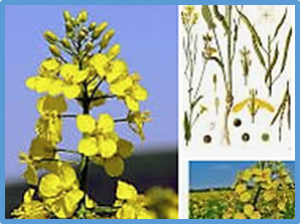
Glucosinolates (GSLs) are amino acid-derived, sulfur-rich secondary metabolites that function as biopesticides and flavor compounds, but the high seed glucosinolate content (SGC) reduces seed quality for rapeseed meal. To dissect the genetic mechanism and further reduce SGC in rapeseed, QTL mapping was performed using an updated high-density genetic map based on a doubled haploid (DH) population derived from two parents that showed significant differences in SGC.

Mandatory labeling of genetically modified (GM) food products on both sides of the Atlantic has led to reduced choice, higher food industry costs, and elevated consumer prices. This is according to the PG Economics report authored by agricultural economist Graham Brookes. Supporters of mandatory GM food labeling have long argued that the main reason is to inform consumers about what they buy and eat.