


News & Events
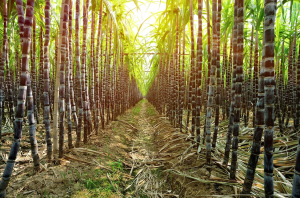
Field trials held in Guangxi province in China significantly conferred drought tolerance in a sugarcane variety developed by Guangxi University. Results of the trials showed enhanced water retention capacity as well as reduced member damage without compromising the sugarcane's growth, among others. Tripidium arundinaceum dehydration-responsive element-binding transcription factor (TaDREB2B) behind the drought-responsible RD29A promoter was introduced to the commercial sugarcane variety FN95-1702.
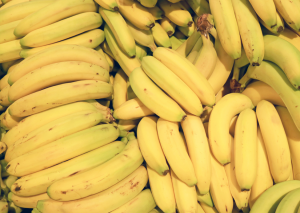
In the 1950s, Panama disease decimated the world's banana industry, which was helped by the introduction of a new Cavendish variety. However, a new race of the fungus, known as Tropical Race 4, recently swept across the continents and through the Cavendish banana plantations. All efforts to control the disease in Cavendish bananas have, so far, failed.
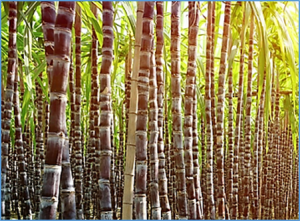
Sugarcane is one of the most crucial sugar crops globally that supplies the main raw material for sugar and ethanol production, but drought stress causes a severe decline in sugarcane yield worldwide. Enhancing sugarcane drought resistance and reducing yield and quality losses is an ongoing challenge in sugarcane genetic improvement. Here, we introduced a Tripidium arundinaceum dehydration-responsive element-binding transcription factor (TaDREB2B)

The United Kingdom Government's Precision Breeding (Gene Editing) Bill passed its third reading in the House of Commons on October 31, 2022, and has been introduced to the House of Lords for debate. The Bill was first introduced into Parliament on May 25, 2022, to cut red tape and support the development of innovative tech to grow more resistant, more nutritious, and more productive crops.
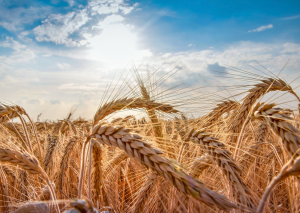
Research conducted by scientists at Earlham Institute and John Innes Centre reveals the multiple ways in which the wheat circadian clock maintains balance. Published in PLOS Biology, this work is the first to gauge the role of circadian rhythms across the entire genome of polyploid wheat. The circadian clock is a finely balanced time-keeping mechanism that guides organisms through day and night, as well as changes in seasons.
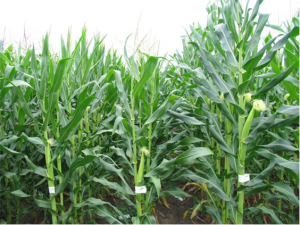
- Preliminary report of "The hybrid corn Max7379 production project" was addressed on October 4 2022
- Department of Crop Production opened the workshop with the title of "Vietnam crop varieties' protection and e-PVP Asia" on October 7 2022
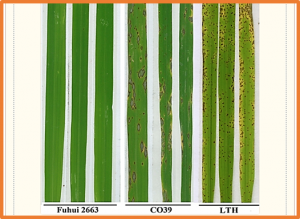
Rice blast is a detrimental rice disease caused by the fungus Magnaporthe oryzae. Here, we identified a resistance gene from the rice cultivar Fuhui 2663 which is resistant to the rice blast isolate KJ201. Through isolated population analyses and sequencing approaches, the candidate gene was traced to chromosome 12. With the use of a map-based cloning strategy, the resistance gene was ultimately mapped to an 80-kb resistance locus region containing the Pita gene. Candidate gene prediction and cDNA sequencing indicated that the target resistance gene in Fuhui 2663 was allelic to Pita, thus being referred to as Pita-Fuhui2663 hereafter.
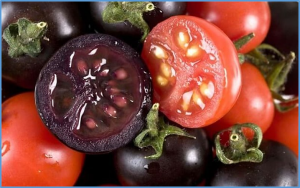
Last month, the US Department of Agriculture (USDA) released a regulatory status review about the genetically modified purple tomato. "The tomato was modified to alter its color and enhance its nutritional quality," the USDA wrote. The statement also indicated that the GM tomato is unlikely to pose an increased plant pest risk compared to other cultivated tomatoes. An article from Cosmos explored the idea of having the GM tomato in Australia.

The Australian Office of the Gene Technology Regulator (OGTR) invites comments from the public to assess an application from the International Flower Developments Pty. Ltd. for the commercial import and distribution of chrysanthemums genetically modified (GM) for altered flower color. The GM chrysanthemum cut flowers would be sold Australia-wide but are not intended for human food. The Gene Regulator has prepared a Risk Assessment and Risk Management Plan (RARMP) for this application
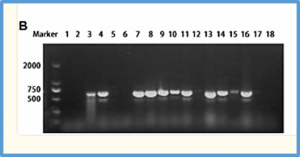
The exploitation of plant disease resistance (R) genes in breeding programs is an effective strategy for coping with pathogens. An understanding of R gene variation is the basis for this strategy. Rice blast disease, caused by the Magnaporthe oryzae fungus, is a destructive disease of rice. The rice blast resistance gene Pi-d2 represents a new class of plant R gene because of its novel extracellular domain.

A study involving participants from the United States, Germany, and Japan sought to understand how different biotechnology regulations impact public perceptions in the three countries in order to gain insight into how the underlying political culture affects their attitudes. A total of 2,667 respondents from the US, 2,383 from Germany, and 2,193 from Japan participated in the survey to statistically examine how different information provision affect their perceptions on the risks and benefits towards gene-edited food crops
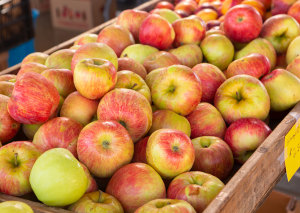
A team of researchers from the United States has sequenced the Honeycrisp apple genome, which provides a valuable resource for understanding the genetic basis of important traits in apples and other tree fruit species, which can be used to enhance breeding efforts. According to Awais Khan, associate professor in the School of Integrative Plant Science at Cornell AgriTech and the first and co-corresponding author of the paper in Gigabyte, growing Honeycrisp can be challenging