


News & Events

Farmer field days held in Mali during the pre-harvest season, October and November 2022, have led to increased adoption of new varieties of sorghum, millet, groundnut and cowpea by farmers. Heads of the agriculture sector in these regions report of increased demand for seed of these improved varieties that are high-yielding and drought tolerant.
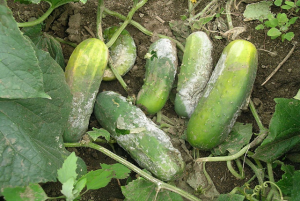
Cucumber (Cucumis sativus L.) is an important economic vegetable crop worldwide that is susceptible to various common pathogens, including powdery mildew (PM), downy mildew (DM), and Fusarium wilt (FM). In cucumber breeding programs, identifying disease resistance and related molecular markers is generally a top priority. PM, DM, and FW are the major diseases of cucumber in China that cause severe yield losses and the genetic-based cucumber resistance against these diseases has been developed over the last decade.
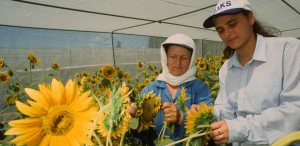
Over the past 40 months, the international visibility and reputation of the Food and Agriculture Organization of the United Nations (FAO) has continued to increase, amid major global challenges such as the COVID-19 pandemic, the war in Ukraine and other protracted conflicts, economic downturns, and the intensifying climate crisis. FAO has given priority to providing its expertise, including knowledge products, tools and policy recommendations, such as the Food Price Index, Briefing Notes and Policy Proposals, which have been in high demand not only by Members, but also by the United Nations (UN) Secretariat in New York and other specialized agencies.

Since August 2019, FAO has reshaped its business model, improving efficiency, implementing best practices that support programme and administrative effectiveness, and ensuring capacity and capability of its human resources. There has been renewed focus on creating people-centred HR policies over the last three years. In addition, the FAO Women’s Committee was launched in 2019 to provide an inclusive, safe space that reflects the diverse and dynamic nature of FAO’s workforce.
Crop wild relatives (CWRs) are weedy and wild relatives of the domesticated and cultivated crops, which usually occur and are maintained in natural forms in their centres of origin. These include the ancestors or progenitors of all cultivated species and comprise rich sources of diversity for many important traits useful in plant breeding. CWRs can play an important role in broadening genetic bases and introgression of economical traits into crops
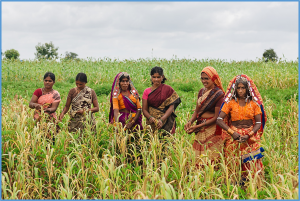
Greater participation of women in the workforce can increase a household’s income and allow them to purchase a more diverse food basket. The generally held belief is that when women take up work outside the home, it can increase their time burden and leave them with less time for cooking and producing other food items. Consequently, it could impact the nutritional intake of their households because fewer food items would be prepared.

Propelled by markedly improved employee job satisfaction and deep-going changes to improve efficiency and results at the Food and Agriculture Organization of the United Nations (FAO), the Director-General QU Dongyu looked forward to a year of excellence in 2023 as he addressed staff in a Town Hall Meeting. Around 1,200 employees joined the virtual gathering, which was the fifth Town Hall since the Director-General took office 40 months ago in August 2019
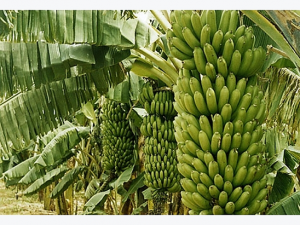
Adverse environmental factors severely affect crop productivity. Improving crop resistance to multiple stressors is an important breeding goal. Although CBFs/DREB1s extensively participate in plant resistance to abiotic stress, the common mechanism underlying CBFs/DREB1s that mediate resistance to multiple stressors remains unclear. Here, we show the common mechanism for MaDREB1F conferring cold and drought stress resistance in banana
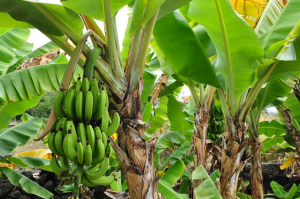
A team from the Chinese Academy of Tropical Sciences identified the gene MaDREB1F to hold a mechanism to confer cold and drought stress resistance in banana. The findings add to substantial implications for engineering tropical crops with cold- and drought-tolerance traits. Seedlings of the banana cultivar Brazil were planted inside a greenhouse to conduct the study to determine how MaDREB1F encodes a dehydration responsive element binding (DREB) protein transcription factor with nuclear localization and transcriptional activity.
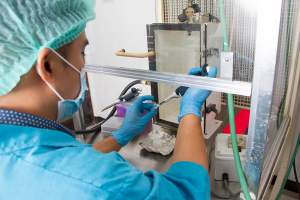
Three basic protocols with two alternate protocols were published by researchers from the United States and Brazil for the root crop, cassava. Sharing the protocols with fellow researchers and scientists will help advance genetic improvement of the crop to meet the required needs of farmers and consumers. Cassava is predicted to remain central to future food and economic security in household farming and tropical agriculture.
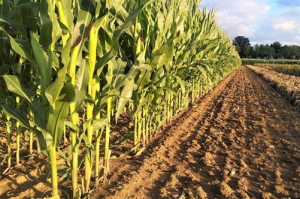
Soils in sub-Saharan Africa are nitrogen deficient due to low fertilizer use and inadequate soil fertility management practices. This has resulted in a significant yield gap for the major staple crop maize, which is undermining nutritional security and livelihood sustainability across the region. Dissecting the genetic basis of grain protein, starch and oil content under nitrogen-starved soils can increase our understanding of the governing genetic systems and improve the efficacy of future breeding schemes.
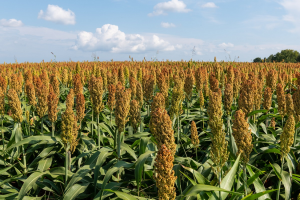
By planting different accessions from the Ethiopian sorghum landrace, scientists from the Addis Ababa University, Ethiopian Institute of Agricultural Research, and the Swedish University of Agricultural Sciences have initially identified novel sources of germplasm that can be used for breeding drought tolerant sorghum. The team conducted multi-environment field trials in three drought-prone sites in Ethiopia during the 2019 crop-growing season using 320 sorghum landraces and four improved varieties.