


News & Events
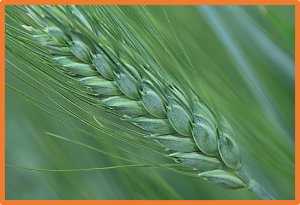
Septoria nodorum blotch (SNB), caused by the necrotrophic fungal pathogen Parastagonospora nodorum, is the dominant leaf blotch pathogen of wheat in Norway. Resistance/susceptibility to SNB is a quantitatively inherited trait, which can be partly explained by the interactions between wheat sensitivity loci (Snn) and corresponding P. nodorum necrotrophic effectors (NEs). Two Nordic wheat association mapping panels were assessed for SNB resistance in the field over three to four years
|
5 |
Researchers from the Guangdong Academy of Sciences, China, and partners reported that sulfur alleviates mercury toxicity in rice. Their findings are published in the Journal of Environmental Sciences.Mercury contamination has caused a global concern because of its effects on human health when consumed through rice. Sulfur is vital for plant growth and may decrease mercury accumulation in rice grains.
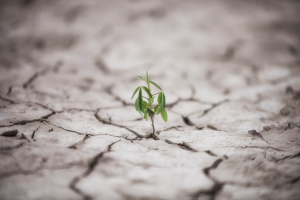
An overexpression of the IRT1 gene allowed researchers from the Beijing Jiaotong University in China to enhance the hair root structure of field mustard to cope against Cadmium stress. The researchers used a combination of genetic engineering and Rizobium rhizogenes-mediated technology to develop the hairy root system of the transgenic field mustard with the IRT1 gene. Previous studies have found that the gene can respond to Cadmium stress and help alleviate metal toxicity through up-regulation.

Texture and aroma are two important attributes for the eating quality of cooked rice, but their mutual relations are not clear. Cooked rice with a desirable texture might suffer from a deteriorated aroma property. To better understand the relations between texture and aroma, six different rice varieties with desirable eating qualities have been selected, with their texture and aroma profile characterized by a texture analyzer and gas chromatography-ion mobility spectrometry, respectively.
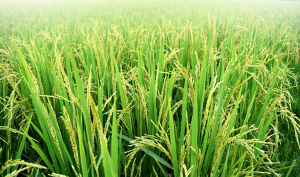
For the first time, scientists document a domestication-selected DNA damage repair mechanism along with its corresponding elite modules involving chilling stress in rice. The findings are potentially valuable for molecular breeding research to develop chill-tolerant traits for crops. Using an approach that combined population genetics, genomics, and cell and evolutionary biology, experts from the Chinese Academy of Sciences conducted a data-merging genome-wide association studies based on multidimensional scaling
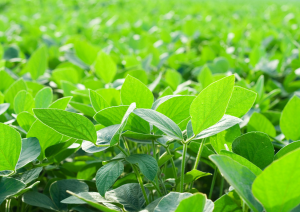
The U.S. Department of Agriculture's Animal and Plant Health Inspection Service (APHIS) reviewed a soybean plant and a chrysanthemum plant that were modified using genetic engineering (GE) to determine whether they present an increased pest risk as compared to unmodified plants. The review found that GE plants are unlikely to pose an increased plant pest risk compared to other cultivated soybean and chrysanthemum plants.
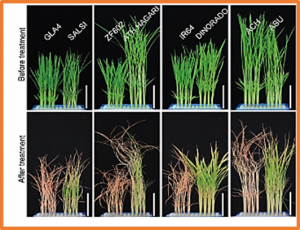
Abnormal temperature caused by global climate change threatens the rice production. Defense signaling network for chilling has been uncovered in plants. However, less is known about repairing DNA damage produced from overwhelmed defense and its evolution during domestication. Here, we genetically identified a major QTL, COLD11, using the data-merging genome-wide association study based on an algorithm combining polarized data from two subspecies, indica and japonica, into one system.

Experts from the National Academy of Sciences of Ukraine reviewed the general principles of plant protection against pathogens and the role of iron and antimicrobial peptide metabolism in plant immunity. The review paper is released in Transgenic Research. Crops are prone to many diseases due to pathogens like viruses, bacteria, and fungi. The article shows the antibacterial, fungicidal, and antiviral action principles of lactoferrin, a mammalian secretory glycoprotein, and lactoferrin peptides and their role in protecting plants from phytopathogens.
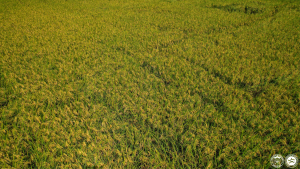
The Department of Agriculture Philippine Rice Research Institute (PhilRice) has announced that more than 100 tons of fresh paddy of beta carotene-enriched Malusog Rice (Golden Rice) have been harvested in 17 pioneer production sites across the country. This first harvest will be milled for distribution in target households in selected provinces in the country with preschool children at-risk for vitamin A deficiency (VAD) and undernutrition, as well as pregnant and lactating mothers.
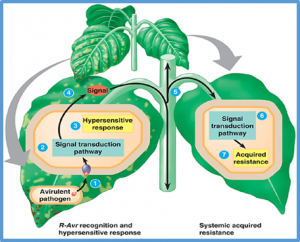
Agricultural crops are susceptible to many diseases caused by various pathogens, such as viruses, bacteria and fungi. This paper reviews the general principles of plant protection against pathogens, as well as the role of iron and antimicrobial peptide metabolism in plant immunity. The article highlights the principles of antibacterial, fungicidal and antiviral action of lactoferrin, a mammalian secretory glycoprotein, and lactoferrin peptides, and their role in protecting plants from phytopathogens.
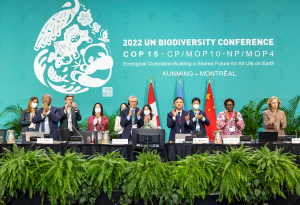
The landmark framework supports global biodiversity with four goals and 23 targets for 2030. It also includes a pledge to protect 30 percent of the Earth's lands, oceans, coastal areas and inland waters, to repurpose US$500 billion in annual government subsidies reserved for incentives instead of triggering harm for biodiversity goals, and to create a Special Trust Fund called Global Environment Facility which will be used to support the implementation of the framework.
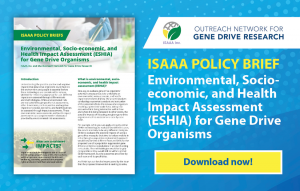
ISAAA Inc., in partnership with the Outreach Network for Gene Drive Research, launched a new policy brief that discusses the environmental, socio-economic, and health impact assessment (ESHIA) for gene drive organisms. The policy brief, titled Environmental, Socio-economic, and Health Impact Assessment (ESHIA) for Gene Drive Organisms, is the second of a series that aims to present proposed policy options and impacts that address issues relating to gene drive technology.