


News & Events

Mycoplasma pneumoniae, one of the smallest known species of bacteria, was modified by scientists to re-purpose it into attacking Pseudomonas aeruginosa, a type of bacteria that commonly infects critically-ill patients who require machine ventilators to breathe. This is a promising strategy to address the leading case of mortality in hospitals, according to one of the co-corresponding authors of the study.
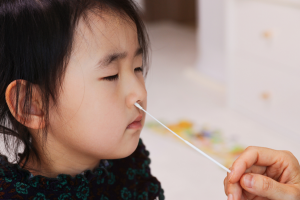
Long COVID occurs in at least 10% of severe acute respiratory syndrome coronavirus 2 (SARS-CoV-2) infections. This figure is according to a review article in Nature Reviews Microbiology. Over 200 symptoms have been found to affect several organ systems. About 65 million patients have been reported to experience long COVID, and the number of cases is continuously increasing.
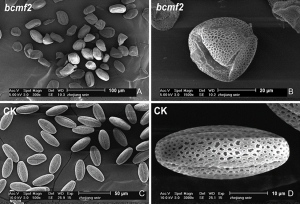
Chinese cabbage (Brassica rapa L. ssp. pekinensis) is one of the major vegetable crops in East Asia, and the utilization of male-sterile line is an important measure for its hybrid seed production. Herein, we isolated three allelic male-sterile mutants, msm1-1, msm1-2 and msm1-3, from an ethyl methane sulfonate (EMS) mutagenized population of Chinese cabbage double-haploid (DH) line ‘FT’, whose microspores were completely aborted with severely absent exine, and tapetums were abnormally developed.
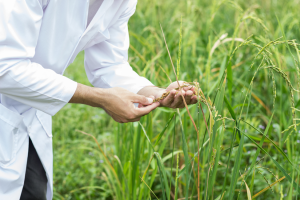
Researchers from Nanjing Agricultural University and partners reported that mutation of OsLPR3 improves tolerance to phosphate starvation in rice. Their findings are reported in the International Journal of Molecular Sciences. Low Phosphate Root (LPR) codes for a protein in the endoplasmic reticulum and cell wall. It has a vital role in plant's reaction to phosphate (Pi) deprivation, particularly in modifying the root system architecture
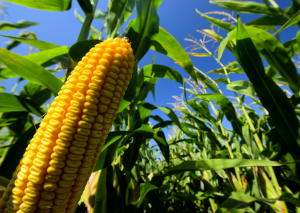
The European Food Safety Authority (EFSA) GMO Panel has released its Scientific Opinion on the safety of genetically modified (GM) herbicide tolerant maize GA21 × T25 and MON 87419, for import, processing, and food and feed uses within the European Union (EU) and does not include cultivation. Following the submission of application EFSA-GMO-DE-2016-137 under Regulation (EC) No 1829/2003 from Syngenta Crop Protection
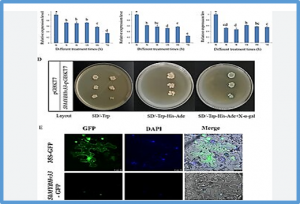
Salt stress is one of the main types of environmental stress leading to a reduction in crop yield worldwide. Plants have also evolved a variety of corresponding regulatory pathways to resist environmental stress damage. This study aimed to identify a SbMYBHv33 transcription factor that downregulates in salt, drought, and abscisic acid (ABA) in the salt-tolerant inbred line sorghum M-81E.

SCiFi Foods, a food tech startup company based in San Francisco, California, is creating transformational meat products by combining cultivated meat with plant-based ingredients to make burgers that are close in taste to conventional beef. SCiFi burgers are made of real cultivated beef cells that were grown without the animal, and a mix of plant-based ingredients.
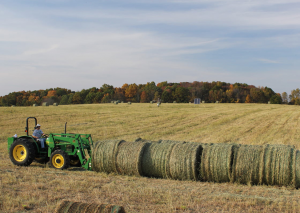
Researchers at Michigan State University led by Assistant Professor Berkley Walker have solved a puzzle that could unlock the full potential of switchgrass as a low-cost and sustainable biofuel crop. In a paper in the journal Frontiers in Plant Science, Walker's team revealed why switchgrass stops performing photosynthesis during its growing season in the middle of the summer, limiting its biofuel yields.
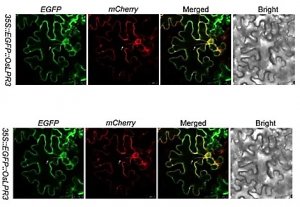
Low Phosphate Root (LPR) encodes a protein localized to the endoplasmic reticulum (ER) and cell wall. This gene plays a key role in responding to phosphate (Pi) deprivation, especially in remodeling the root system architecture (RSA). An identification and expression analysis of the OsLPR family in rice (Oryza sativa) has been previously reported, and OsLPR5, functioning in Pi uptake and translocation, is required for the normal growth and development of rice.
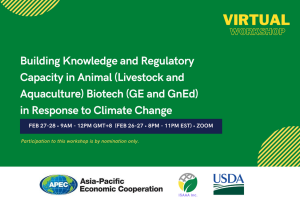
ISAAA Inc., in cooperation with the US Department of Agriculture under the Asia-Pacific Economic Cooperation (APEC) High-Level Policy Dialogue on Agricultural Biotechnology (HLPDAB) Forum, organizes the virtual workshop titled Building Knowledge and Regulatory Capacity in Animal (Livestock and Aquaculture) Biotech (GE and GnEd) in Response to Climate Change to be held on February 27-28, 9 AM-12PM GMT+8 (February 26-27, 8 PM-11 PM EST). ISAAA Inc. will host the event via Zoom.

ISAAA Inc. regularly collects feedback from the Crop Biotech Update (CBU) readers to understand their current needs and preferences. In 2022, over 200 subscribers submitted their feedback and indicated high ratings in terms of usefulness (96%), clarity (96%), coverage (94%), and design (88%) of the e-newsletter.
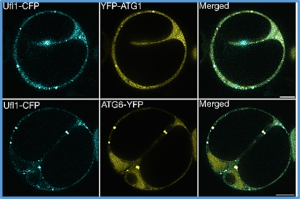
In plants, the endomembrane system is tightly regulated in response to environmental stresses for maintaining cellular homeostasis. Autophagosomes, the double membrane organelles forming upon nutrient deprivation or stress induction, degrade bulky cytosolic materials for nutrient turnover. Though abiotic stresses have been reported to induce plant autophagy, few receptors or regulators for selective autophagy have been characterized for specific stresses.