


News & Events
News & Events
Director-General addresses 20th Session of the Commission on Phytosanitary Measures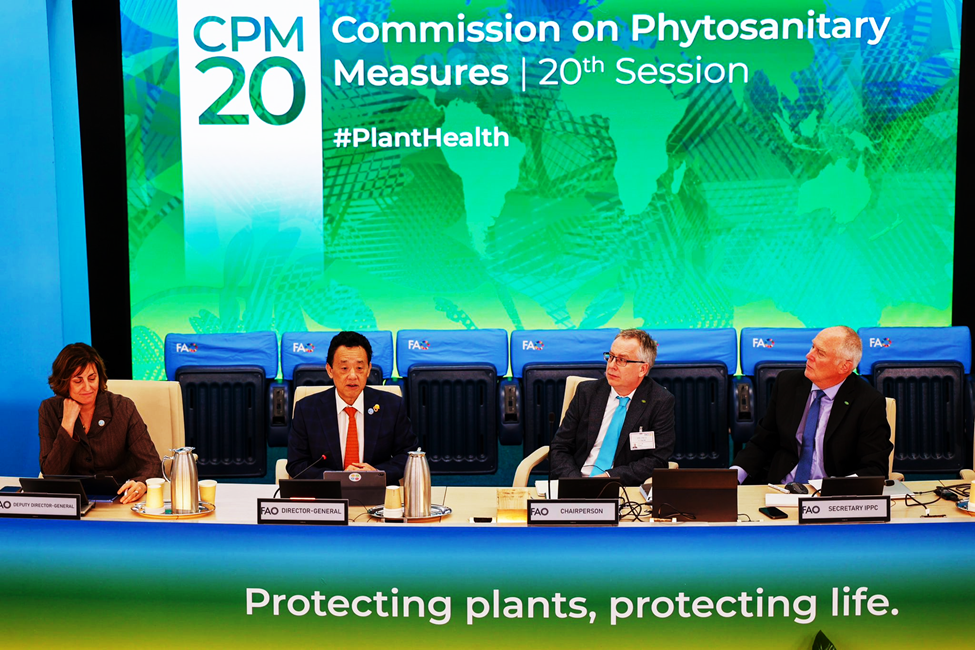
Sunday, 15/03/2026 | 06:46:18
FAO Director-General QU Dongyu today called for greater vigilance, innovation and collaboration in responding to increasingly frequent and severe pest invasions that threaten farms, forests, livelihoods and global food security.
Qu delivered his remarks at the opening of the 20th Session of the Commission on Phytosanitary Measures (CPM), held at FAO headquarters in Rome.
Integrated transcriptomics and metabolomics analyses reveal key pathway responses during the grain-filling stage in maize under waterlogging stress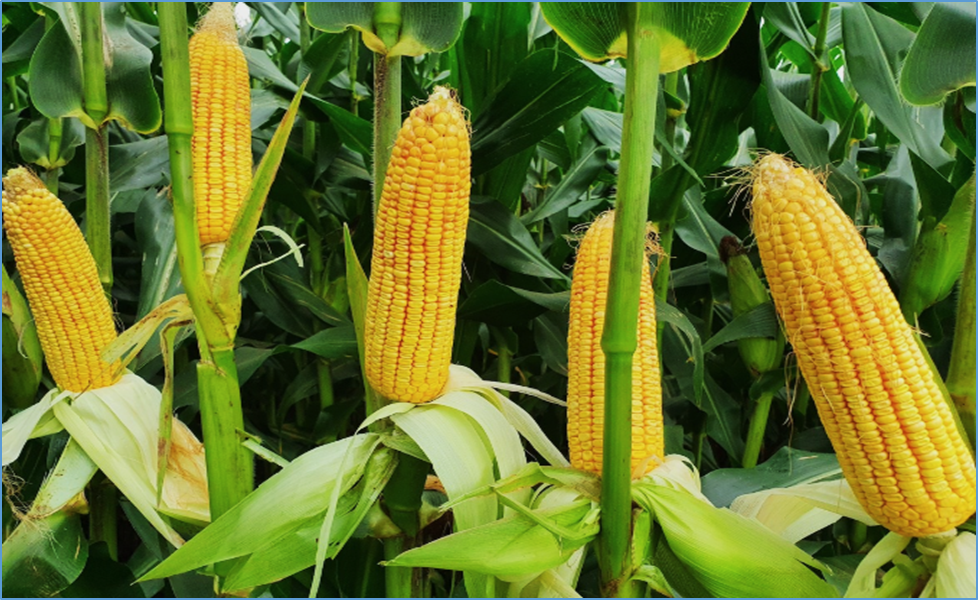
Friday, 13/03/2026 | 13:59:12
Crop tolerance to waterlogging significantly influences survival and productivity under waterlogging conditions. Elucidating the molecular mechanisms underlying waterlogging tolerance could facilitate the development of resilient crop varieties through breeding. This study conducted a comparative analysis of the physiological, transcriptional, and metabolic responses of a waterlogging-tolerant maize genotype Guidan162 (GD) and a waterlogging-sensitive genotype Zhaofeng 588 (ZF) during the grain filling stage.
Study Finds No Link Between GMOs and Health Risks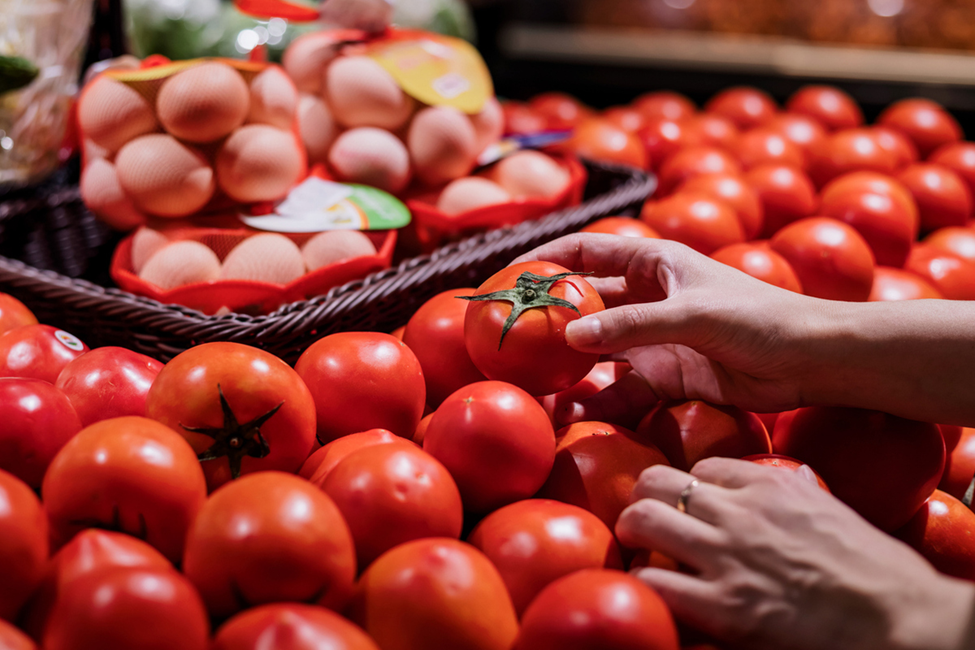
Friday, 13/03/2026 | 13:55:12
Researchers from Chosun University and Seoul National University in Korea examined decades of scientific literature and global health data and found no consistent evidence linking genetically modified organism (GMO) consumption to major human health problems. The analysis reviewed epidemiological studies and international health records to evaluate whether GMO exposure is associated with diseases, such as cancer, allergies, or reproductive disorders.
Rice Proteins Show Potential for Hypoallergenic Plant-Based Cheese
Friday, 13/03/2026 | 13:54:02
Researchers at the University of Arkansas System Division of Agriculture found that proteins from rice can be used to make hypoallergenic plant-based cheese alternatives. The findings of the study, published in Future Foods, offer a new option for people who avoid dairy, nuts, or gluten.
Protein kinase Pi65 regulates rice blast resistance through phosphorylation-dependent signaling and metabolic reprogramming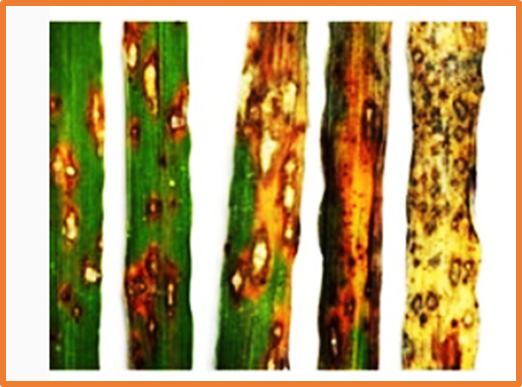
Friday, 13/03/2026 | 08:26:27
Rice blast is a major fungal disease that threatens global rice production and is caused by the fungus Magnaporthe oryzae. Therefore, cloning rice blast resistance-related genes, conducting indepth analyses of the interaction mechanisms between M. oryzae and rice, elucidating rice disease resistance pathways, and developing new resistant germplasms are crucial for ensuring food security.
Researchers Develop Gene-Edited Tomato with Popcorn-Like Fragrance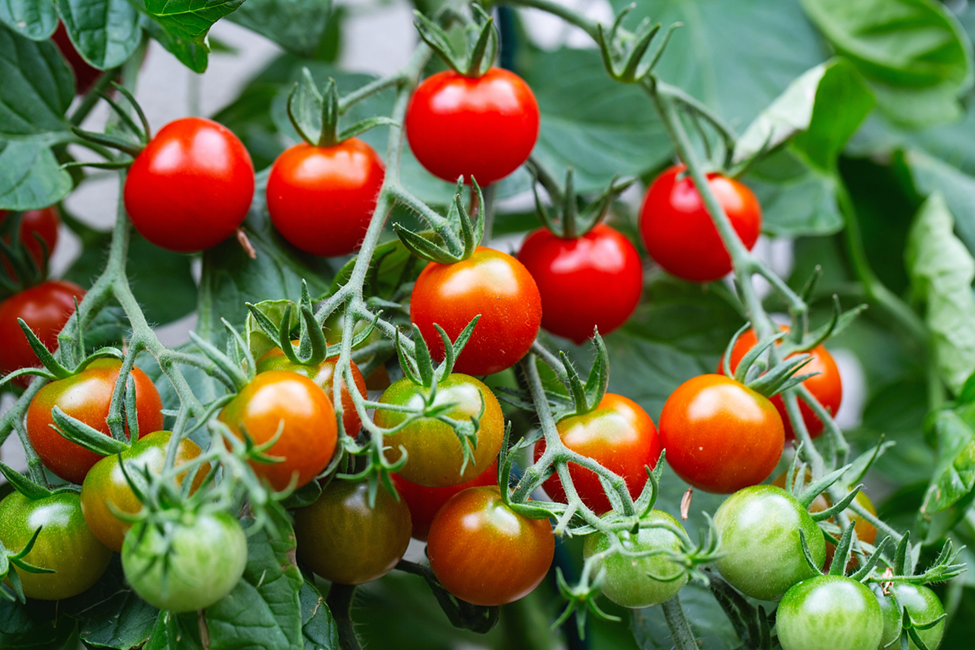
Friday, 13/03/2026 | 08:25:24
Researchers from China and Australia have successfully used CRISPR-Cas9 gene editing technology to create a new tomato variety with a distinct "popcorn-like" fragrance. By targeting specific genes responsible for volatile organic compounds, the team increased the levels of 2-acetyl-1-pyrroline (2-AP), the same chemical compound that gives fragrant rice and popcorn their signature scent, without negatively impacting fruit growth or nutritional value.
New Partnership to Strengthen Soil Health and Secure Livelihoods for 1.5 Million Sahelian Farmers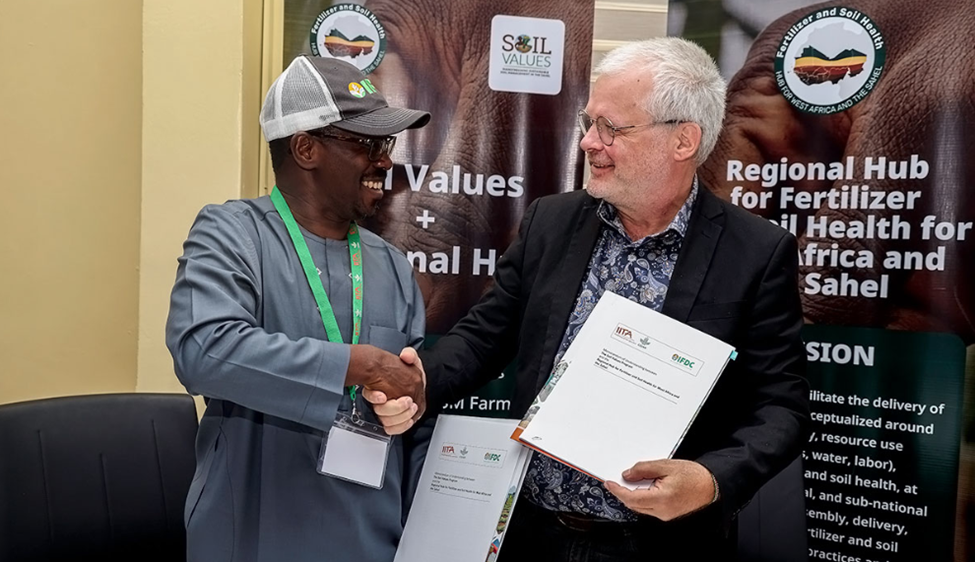
Friday, 13/03/2026 | 08:24:31
The Soil Values Program and the Regional Hub for Fertilizer and Soil Health for West Africa and the Sahel today announced a formal partnership. They signed a Memorandum of Understanding (MoU) to coordinate soil health interventions across West Africa and the Sahel. The partnership will enhance collaboration, minimize duplication of effort, and deliver lasting impact in the region.
Coupled machine learning–ecosystem ensemble models substantially improve predictions of nitrous oxide (N2O) fluxes from US croplands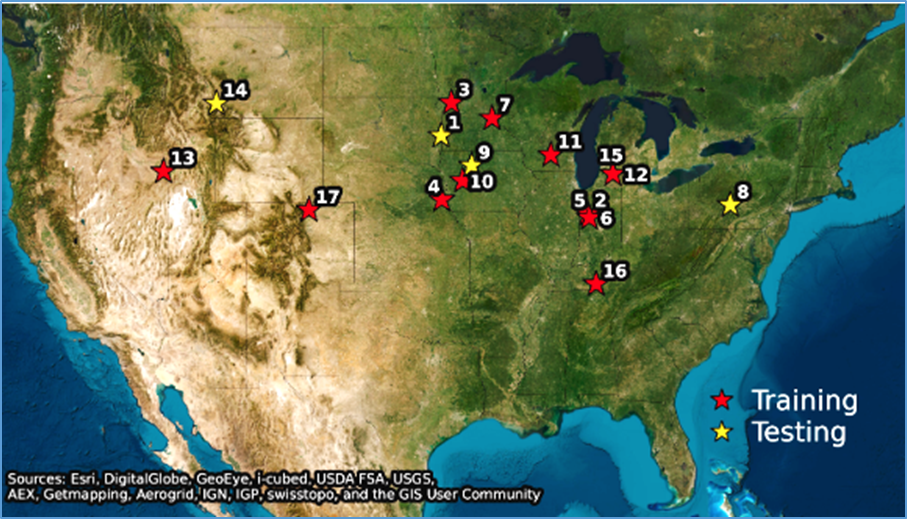
Thursday, 12/03/2026 | 08:12:40
Nitrous oxide (N2O) is a potent and persistent greenhouse gas, with rising atmospheric concentrations driven in part by inefficient use of synthetic nitrogen (N) fertilizers in agriculture. Predicting soil N2O emissions is challenging due to high spatial and temporal variability arising from complex soil biogeochemical processes. Process-based ecosystem models and standalone machine learning (ML) approaches without extensive site-specific calibration often miss high-emission episodes
Experts Develop System for Studying Greater Wax Moth as Animal Model
Thursday, 12/03/2026 | 08:11:10
University of Exeter researchers in the UK reported a new method for animal molecular research using the PiggyBac transposon system and for precise gene knockouts via CRISPR–Cas9 technology in the greater wax moth (Galleria mellonella).The larvae of the greater wax moth are becoming a popular animal model for studying the mechanisms of infection, immunology, and inflammation. Recently, research on the greater wax moth has advanced understanding of plastic degradation and solutions to plastic waste.
Investing in young scientists for climate-resilient agriculture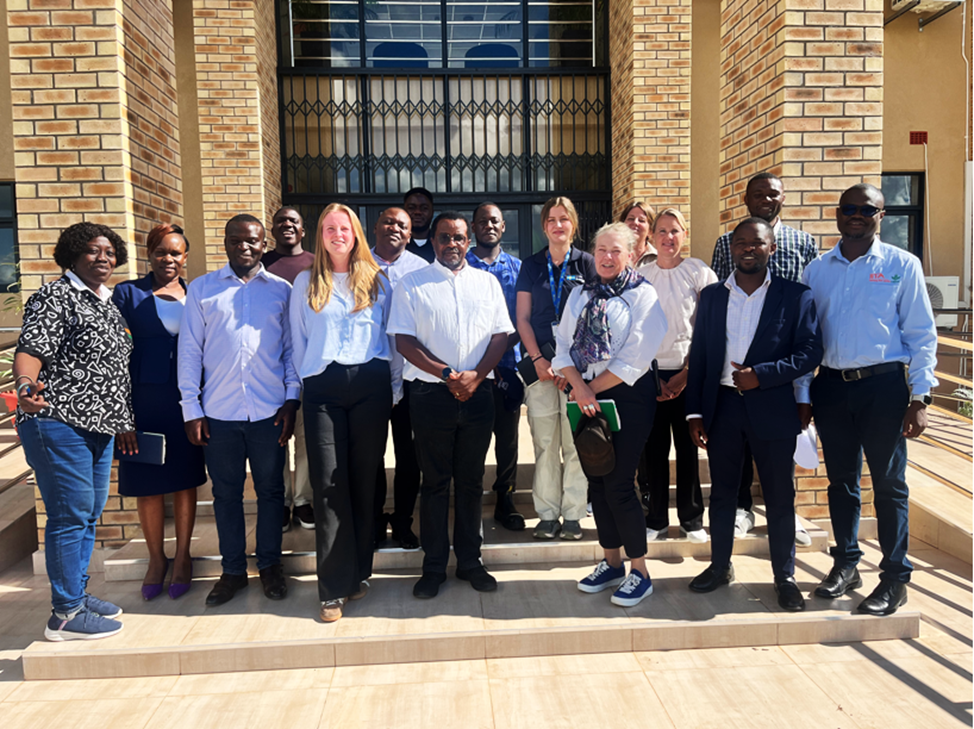
Thursday, 12/03/2026 | 08:08:22
As climate variability, food insecurity, and data gaps increasingly challenge agricultural systems, building a new generation of skilled scientists has become critical for the future of food production in Zambia and beyond.Young scientists from Zambia and partner institutions are gaining hands-on experience in climate-smart agricultural research through a collaborative initiative involving the Swedish University of Agricultural Sciences (SLU), IITA–CGIAR, and the University of Zambia.
Genome-wide characterization of soybean alcohol dehydrogenase (ADH) genes identifies GmADH13 as a positive regulator of the salt stress response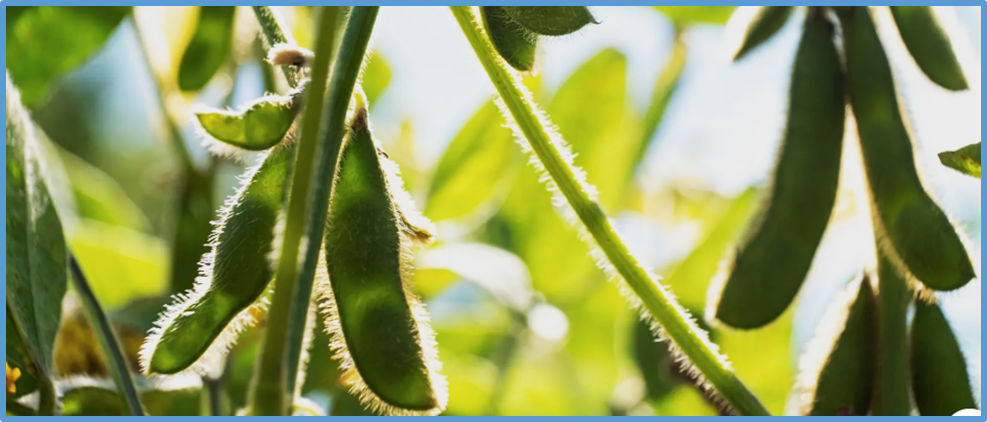
Wednesday, 11/03/2026 | 08:24:37
Alcohol dehydrogenase (ADH) is a zinc-binding enzyme responsible for catalyzing the interconversion between ethanol and acetaldehyde, as well as other alcohol and aldehyde pairs, within the ethanol fermentation pathway. This enzyme plays a crucial role in plant adaptation to environmental stressors. However, knowledge regarding the ADH gene family in soybean remains limited. Here, a genome-wide analysis was conducted,
Researchers Identify Gene Influencing Flowering Time and Salt Sensitivity in Soybeans
Wednesday, 11/03/2026 | 08:23:31
Researchers from Heilongjiang Academy of Agricultural Sciences and Chinese Academy of Sciences have discovered that the GmAP1 gene in soybean plays a key role in delaying flowering and increasing sensitivity to salt stress. The study shows that editing this gene could help develop soybean varieties that mature earlier and tolerate challenging saline environments.