


News & Events
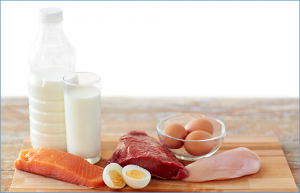
Meat, eggs, and milk are vital sources of the necessary nutrients that cannot be provided by plant-based foods. This finding is based on the report titled Contribution of Terrestrial Animal Source Food to Healthy Diets for Improved Nutrition and Health Outcomes released by the Food and Agriculture Organization of the United Nations (FAO). The report provides the most comprehensive analysis yet of the benefits and risks of consuming animal source foods based on evidences from over 500 scientific papers and approximately 250 policy documents.
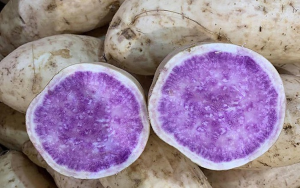
Two-component system (TCS), which comprises histidine kinases (HKs), histidine phosphotransfer proteins (HPs), and response regulators (RRs), plays essential roles in regulating plant growth, development, and response to various environmental stimuli. TCS genes have been comprehensively identified in various plants, while studies on the genome-wide identification and analysis of TCS in sweet potato were still not reported. Therefore, in this study, a total of 90 TCS members consisting of 20 HK(L)s, 11 HPs, and 59 RRs were identified in the genome of Ipomoea batatas.
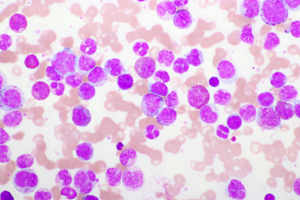
Scientists from Pusan National University in South Korea found a gene that can help regulate the progression of leukemia, a type of blood cancer that affected about 2.3 million people in the world in 2015. One type of leukemia is known as acute myeloid leukemia (AML), which progresses rapidly. According to the research highlights, Surfeit 4 (SURF4) is a gene that is highly expressed in AML patients, yet its effects remain a mystery.
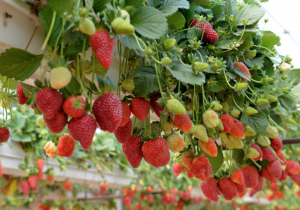
The University of California, Davis (UC Davis) announced the release of five new strawberry varieties with resistance to Fusarium wilt, high yield, and enhanced fruit quality. The varieties, known as UC Eclipse, UC Golden Gate, UC Keystone, UC Monarch, and UC Surfline, are available for purchase by California nurseries from Foundation Plant Services. About 88% of the strawberries in the US come from California. One of the major causes of loss and death of strawberries is Fusarium wilt, but over half of the varieties do not have resistance to the disease.
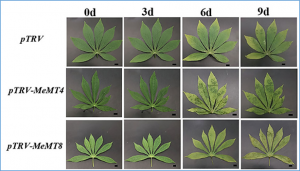
Cassava (Manihot esculenta Crantz) is widely planted in tropical and several subtropical regions in which drought, high temperatures, and other abiotic stresses occur. Metallothionein (MT) is a group of conjugated proteins with small molecular weight and rich in cysteine. These proteins play a substantial role in response to physiological stress through the regulation of reactive oxygen species (ROS). However, the biological functions of MT genes in cassava are unknown.
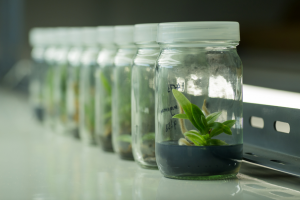
Experts from Danforth Plant Science Center discovered a plant protein complex that controls temperature response by the circadian clock. With the impact of climate change in daily and seasonal temperature trends, it is vital to comprehend how plants read and respond to varying temperature signals. The findings are published in the journal Plant Physiology. “The circadian clock in Arabidopsis is well-studied.
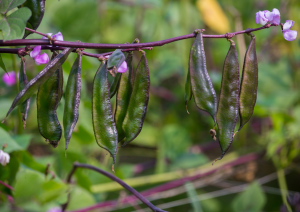
The genome of a climate-resilient bean has been fully sequenced by an international team of researchers. The full sequence of the hyacinth bean or ‘lablab bean' paves the way for wider cultivation of the crop, bringing nutritional and economic benefits, and bolstering food security in drought-prone regions of the world. Lablab bean is native to Africa and grown in the tropics for its nutritious beans for food and livestock feed. The bean is highly resilient to drought and thrives in different environments and conditions, contributing to food and economic security, and improving soil fertility by fixing nitrogen.
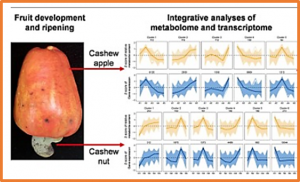
Cashew nut is a popular food around the world. The high-resolution profiles and dynamics of metabolomes in cashew fruits are poorly understood till now. In this study, we analyzed the temporal metabolome of cashew nut via a non-targeted method based on UHPLC-Q-Exactive-MS, and analyzed that of cashew apple via a widely targeted method based on UHPLC-QTRAP-MS/MS (MRM).
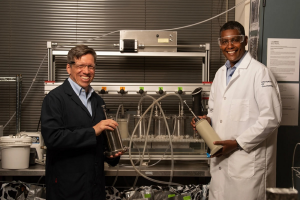
In an effort to mitigate climate change, a team of scientists from three University of California (UC) campuses are proposing to use the gene editing tool CRISPR on microbes in the cow's gut. Their vision is to deliver gene-edited microbes as oral treatments for calves that will take effect in the gut microbial systems. The calves can carry this into adulthood, which can reduce their methane emissions for the rest of their lives.
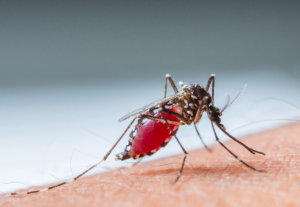
Collaborative research led by the Burnet Institute in Australia has used genome sequencing and genetic engineering to explain how a specially selected compound can prevent malaria from invading red blood cells. The study results, published in the journal PLOS Biology on World Malaria Day on April 25, 2023, provide new opportunities and targets for the development of much-needed new medications for malaria,
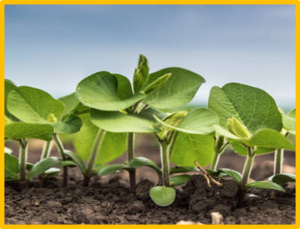
Soybean is one of the most economically important crops in the United States. A primary end-use of soybean is for livestock feed. Therefore, genetic improvement of seed composition is one of the most important goals in soybean breeding programs. Sucrose is desired in animal feed due to its role as an easily digestible energy source. An elite soybean line was irradiated with fast neutrons and the seed from plants were screened for altered seed composition with near-infrared spectroscopy (NIR)

Washington State University (WSU) made history in the United States (US) by becoming the first university to release meat derived from gene-edited livestock pigs into the market. The US Food and Drug Administration (FDA) determined that the meat, in the form of German-style sausages, is safe for human consumption. WSU's pigs were gene-edited to become surrogate sires. Using CRISPR technology, the gene NANOS2 was knocked out to make the male pigs sterile.