


News & Events

As the United Arab Emirates (UAE) celebrates the Year of Sustainability and prepares to host COP28 this year, start-up company Switch Foods launched the first state-of-the-art, exclusive plant-based meat production facility in Abu Dhabi. The initiative aligns with UAE's National Food Security Strategy 2051 that aims to promote food security through sustainable innovations and diversified food products.
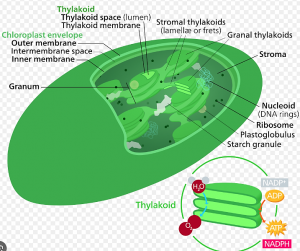
RNA editing is a post-transcriptional modification of an RNA nucleotide sequence. Until now, different RNA editing systems were found in the major eukaryotic clades. In the plant kingdom, RNA editing was mainly documented in the mitochondria and chloroplast genomes. However, variation among large taxonomic groups and the evolutionary trajectory in terms of intra- and inter-clades remains unclear. To gain a better understanding of RNA editing evolution, in this study, based on publicly available RNA-seq data across three clades (fern, gymnosperm, and angiosperm), we provided a detailed analysis of chloroplast RNA editing events and discussed its evolution in land plants.

Genome editing experts released an article in Nature Plants pushing for regulations that ensure societal benefits. They emphasized that genome editing delivers an exceptional chance to develop crops that benefit consumers, however, the success of the technology depends on risk-proportional regulation. Consumers show a preference for seedless fruit varieties in the market such as watermelon, mandarin oranges, and grapes. These varieties support healthy diets without pre-market regulatory approvals prior to commercial release.

Researchers from the Chinese Academy of Sciences revealed the diversity of RNA editing in chloroplast transcripts across three major plant clades: fern, gymnosperm, and angiosperm. Their findings are published in the journal Plant Systematics and Evolution. RNA (ribonucleic acid) editing is a vital process in sustaining the important roles of encoded proteins at the RNA level. Previous studies have shown that RNA editing commonly occurs in different land plants, but there were only a few studies that compare chloroplast RNA editing within and between groups except for ferns.
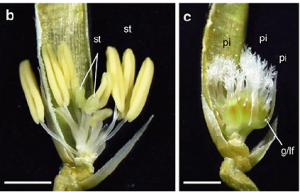
Heat stress (HS) caused by high-temperature weather seriously threatens international food security. Indeed, as an important food crop in the world, the yield and quality of rice are frequently affected by HS. Therefore, clarifying the molecular mechanism of heat tolerance and cultivating heat-tolerant rice varieties is urgent. Here, we summarized the identified quantitative trait loci (Quantitative Trait Loci, QTL) and cloned rice heat tolerance genes in recent years. We described the plasma membrane (PM) response mechanisms, protein homeostasis, reactive oxygen species (ROS) accumulation, and photosynthesis under HS in rice.
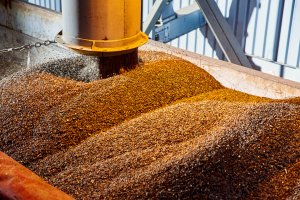
Gene editing technology has placed the seed industry in an optimal position while transitioning in production practices, according to the Rabobank's report on gene editing and grain and oilseed supply chain. The current grain and oilseed market demands less inputs for agricultural production, while the need for more food is challenged with fewer options for land expansion. Gene editing provides options to address these concerns.

Scientists from the University of Cordoba in Spain identified transcription factor protein FaMYB123 as a key component in controlling the production of strawberry's red color. It interacts with another factor protein, FabHLH3, which contributes to the increased production of anthocyanins during the fruit's ripening stage. The scientists have long been studying the genetic regulation of strawberry ripening. This led them to the identification of FaMYB123, and further investigation led them to creating a transgenic strawberry plant that repressed its expression.
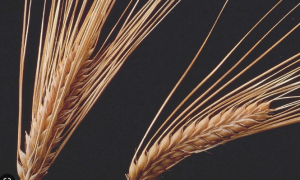
The slope of regression in a reaction norm model, where the performance of a genotype is regressed over an environmental covariable, is often used as a measure of stability of genotype performance. This method could be developed further by partitioning variation in the slope of regression into the two sources of genotype-by-environment interaction (G × E) which cause it: scale-type G × E (heterogeneity of variance) and rank-type G × E (heterogeneity of correlation). Because the two types of G × E have very different properties, separating their effect would enable a clearer understanding of stability.
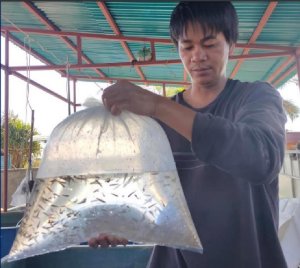
Researchers from the National Fisheries Research and Development Institute (NFRDI) in the Philippines have developed a fish-spawning method that will allow fish farmers to produce high-quality, pure spawn during off-season that do not require a high level of technical knowledge to execute. The method is expected to help Filipino farmers reduce their dependence on wild stocks while helping achieve national food security.
Genomic surveillance could help manage emerging crop diseases and identify traits for developing disease-resistant crops, according to a study conducted by researchers from the University College London (UCL) and an international team from four continents. The results of this study have been published in the open-access journal PLOS Biology. The study highlights the threat to global wheat yields from pests and diseases which can be reduced by more than 20 percent.
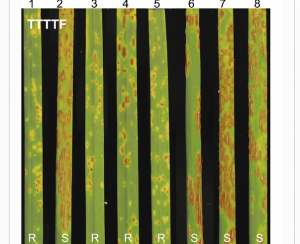
Race Ug99 of Puccinia graminis f. sp. tritici (Pgt), the causal agent of wheat stem (or black) rust is one of the most serious threats to global wheat production. The identification, mapping, and deployment of effective stem rust resistance (Sr) genes are critical to reduce this threat. In this study, we generated SrTm4 monogenic lines and found that this gene confers resistance to North American and Chinese Pgt races. Using a large mapping population (9522 gametes), we mapped SrTm4 within a 0.06 cM interval flanked by marker loci CS4211 and 130K1519, which corresponds to a 1.0-Mb region in the Chinese Spring reference genome v2.1.
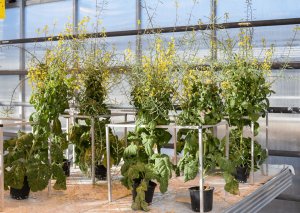
Researchers at the University of Copenhagen have discovered plants that contain root oncogenic loci (rol) genes that originate from Rhizobium rhizogenes bacteria introduced to a wide variety of plants millions of years ago through a natural process. The bacterium R. rhizogenes has the special ability to transfer its genes to host plants and transform them in the process. Henrik Lütken and his research team at the University of Copenhagen's Department of Plant and Environmental Sciences working on potted plants noticed that the transformed plants also had significantly more and longer roots.